2026 Top Garments Fabric Trends for Fashion and Apparel Industry?
The garments fabric industry is evolving rapidly. According to a recent report by Textile Exchange, the use of sustainable fabrics is projected to grow by 20% by 2026. This significant shift reflects increasing consumer demand for environmentally friendly materials. Industry expert Dr. Alice Thompson states, "The future of garments fabric lies in our ability to innovate sustainably."
Fashion brands are now prioritizing transparency in their supply chains. Brands like Patagonia and Stella McCartney lead the way, showcasing responsible sourcing. However, challenges remain in achieving consistent quality while maintaining ethical standards. As trends shift, smaller companies may struggle to keep pace with larger competitors.
The integration of technology in fabric development shows promise. Smart textiles and recycled materials are on the rise. Yet, the industry must address issues like waste management and lifecycle sustainability. In this dynamic landscape, collaboration between designers, manufacturers, and consumers is vital. The journey for garments fabric is complex, but opportunities abound for those willing to adapt.
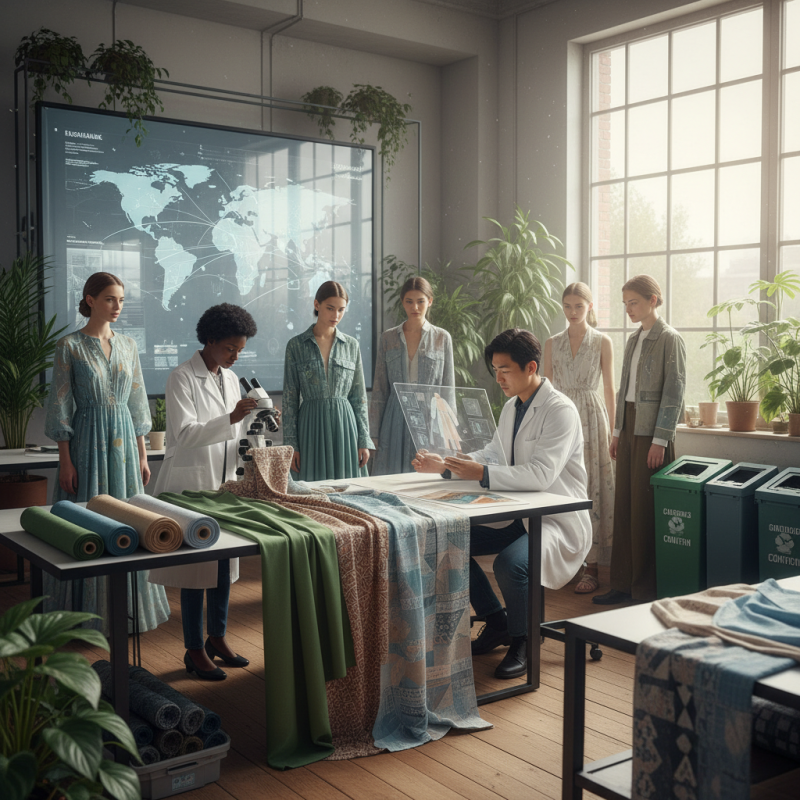
2026 Trend Overview: Key Fabric Innovations in the Fashion Industry
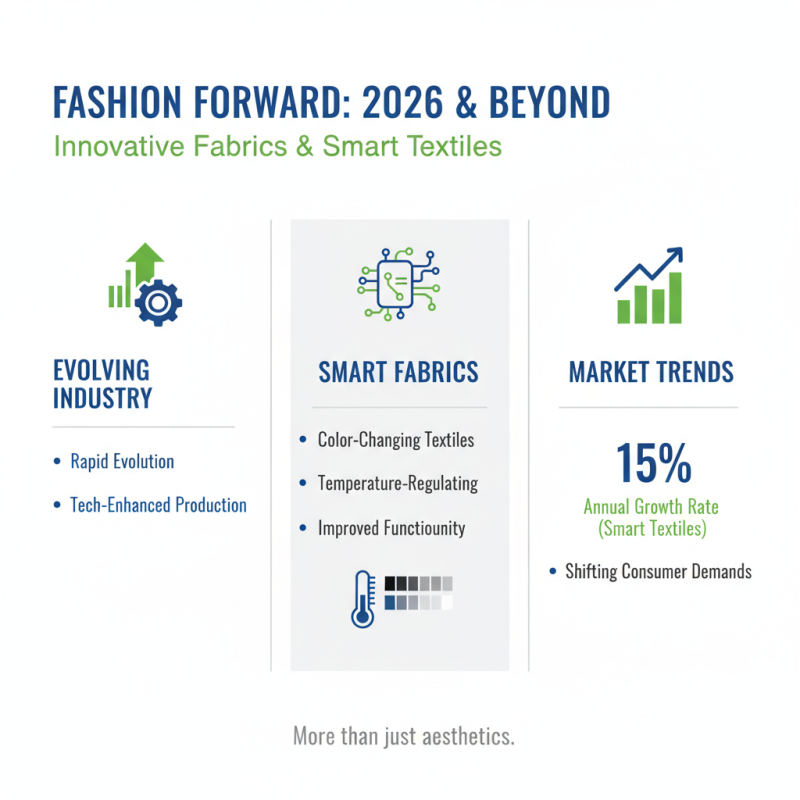
The fashion industry is evolving rapidly. In 2026, innovative fabrics will play a crucial role. Technology is enhancing textile production, giving rise to smart fabrics. These fabrics can change color or regulate temperature, improving functionality. According to industry reports, smart textiles are growing at an annual rate of 15%. This trend indicates a significant shift in consumer demands for more than just aesthetics.
Sustainability remains a hot topic. More brands are prioritizing eco-friendly materials. Reports suggest that around 30% of consumers prefer sustainable options when shopping for clothes. Materials like organic cotton and recycled polyester are gaining traction. However, challenges exist. Many sustainable fabrics are still costly to produce. This raises questions about affordability for the average consumer.
In addition, performance fabrics are on the rise. They provide moisture-wicking and breathability, appealing to active lifestyles. The global activewear market is projected to hit 400 billion dollars by 2026. But even with growth, issues persist. Some performance fabrics may lack durability or feel uncomfortable. This inconsistency needs addressing as the market expands.
Sustainable Textiles: Impact of Eco-Friendly Fabrics on Consumer Choices
Sustainable textiles are changing the fabric landscape in the fashion industry. A report by the Textile Exchange found that the global market for sustainable fabrics reached $7.3 billion in 2022. More consumers are prioritizing eco-friendly options, driven by growing environmental awareness. About 70% of shoppers now consider sustainability when making purchases. This trend is reshaping how brands source materials.
Consider incorporating organic cotton or Tencel in your clothing line. These materials are biodegradable and use less water than conventional fabrics. However, the challenge lies in the higher cost and availability. Not all brands have access to these materials, leading to a supply-demand imbalance that can create ethical dilemmas.
Tips: Test out blends before full production. This can reduce waste and help gauge consumer interest. Engage directly with customers about sustainable practices. Their feedback can guide your decisions. Remember, transparency is key. Customers should understand your sourcing journey. Reflect on your impact on the planet with each garment created.
Smart Fabrics: Integration of Technology in Apparel Design and Functionality
Smart fabrics are transforming the apparel industry. These innovative materials integrate technology into clothing design. A survey by the Textile Institute found that over 70% of designers believe smart fabrics enhance functionality. This technology can cater to various needs, from athletic wear to everyday clothing.
The integration of sensors and textiles is growing. For instance, thermoregulating materials can adjust heat retention based on body temperature. This adaptability is appealing to consumers seeking comfort. Research indicates that smart textiles can increase user engagement by 50%. However, there are challenges that need addressing. Manufacturing these fabrics often requires specialized techniques, which some manufacturers struggle to implement.
Sustainability plays a crucial role in the future of smart fabrics. Environmental concerns drive the demand for eco-friendly materials. While smart textiles hold promise, the lifecycle of these products needs examination. An industry report highlighted that 60% of consumers prefer sustainable alternatives. As the market evolves, finding a balance between technology and sustainability is essential. The journey toward fully integrating smart fabrics is filled with opportunities and obstacles.
Color and Texture Trends: Data on Predicted Fabric Patterns for 2026
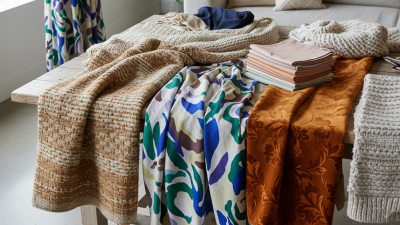
As we look towards 2026, color and texture trends will reshape the garment fabric landscape. According to the latest data from industry reports, earthy tones will dominate, with 70% of designers favoring natural colors. Shades like terracotta, olive green, and muted blues will appear prominently in collections. These colors are not just aesthetic choices; they reflect a growing consumer preference for sustainability and connection to nature.
Texture will also play a pivotal role. Reports suggest that 65% of the fabrics will incorporate tactile elements. Designers are experimenting with blends that mix smooth and coarse textures, offering a multi-sensory experience. Fabrics like textured knits and woven blends of cotton and linen are forecasted to gain traction. This complexity in texture invites a critical reflection on how consumers interact with materials, challenging the notion of merely visual appeal.
Innovation is essential, yet not without hurdles. While the push for sustainable materials is strong, the industry faces obstacles. The transition to eco-friendly fabrics remains costly, and not all brands are ready to pivot. Balancing trendiness with environmental responsibility demands ongoing dialogue within the fashion community. Understanding these layers in fabric trends will be crucial for designers as they navigate the complexities of fashion in 2026.
2026 Top Garments Fabric Trends: Color and Texture Analysis
This chart illustrates the predicted trends in garment fabrics for 2026, focusing on key colors and textures that are anticipated to dominate the fashion and apparel industry.
Market Forecast: Projected Growth of Specialty Fabrics in Apparel Sector
The apparel industry is witnessing a dynamic shift. Specialty fabrics are projected to experience robust growth, with the global market expected to reach $250 billion by 2026. This rise is driven by increasing consumer demand for sustainable and innovative materials. According to a recent industry report, 70% of millennials prioritize eco-friendly textiles when shopping.
In the realm of fashion, the adoption of smart textiles is gaining traction. These fabrics integrate technology, enabling features like temperature regulation and moisture-wicking properties. Yet, integrating such technologies poses challenges. Some manufacturers struggle with costs and material durability. Additionally, while consumers desire innovation, they also seek comfort, creating a balancing act for designers.
Another trend is the shift toward multifunctional materials. Fabrics that are lightweight, breathable, and durable are highly sought after. However, sourcing these materials sustainably remains a complex issue. Many suppliers still rely on traditional manufacturing methods. As the market expands, pressure mounts to find solutions that blend performance with environmental responsibility. The future is bright, but it requires constant reflection and adaptation.