Jersey knit fabric has gained popularity among global buyers for its versatility and comfort. Tina Roberts, an industry expert with over 15 years of experience in textile innovation, once stated, "Jersey knit is the secret behind so many comfortable wardrobes." Her insight reflects the core strengths of this fabric.
This fabric offers exceptional stretch and softness, making it ideal for various applications. From casual wear to active apparel, jersey knit is a go-to choice for many designers. Its ability to drape beautifully enhances fashion aesthetics and comfort. However, not all jersey knits are created equal. Quality can vary widely, impacting the final product's performance.
Global buyers need to be mindful of these differences. Choosing the right supplier ensures they receive high-quality jersey knit fabrics. This fabric's unique properties and benefits make it an essential player in the textile industry. Exploring its advantages is vital for businesses looking to improve their offerings.

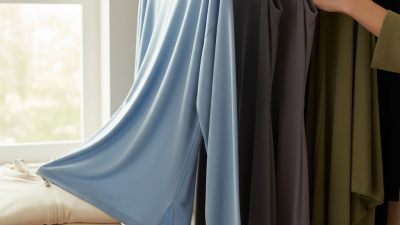
Jersey knit fabric is highly regarded in garment production for several reasons. The fabric is soft and stretchy, making it comfortable to wear. This flexibility allows for a better fit, which is essential in today’s fashion. Additionally, jersey can drape beautifully, enhancing the overall silhouette of the garment. Many designers appreciate how it flows with movement.
This fabric is also breathable, making it ideal for all seasons. The moisture-wicking properties mean that it can keep the wearer cool in summer and warm in winter. However, sourcing high-quality jersey can be challenging. Not all jerseys are created equal. Some may lack durability or fade quickly after washing. This inconsistency can impact production decisions.
Sustainability is becoming increasingly important in garment production. Jersey knit fabrics made from organic materials are gaining attention. They offer the same benefits as conventional jersey but with a reduced environmental impact. Still, buyers must research suppliers thoroughly. Not all claims about sustainability hold true. It's essential to ensure that materials are ethically sourced and produced.
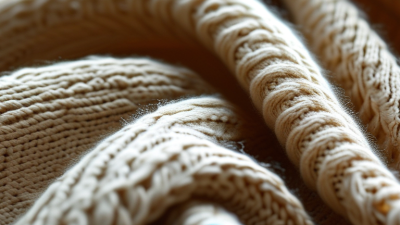
Jersey knit fabric is known for its unique durability. It withstands wear and tear better than many other fabrics. This quality makes it a popular choice for various applications. From clothing to home textiles, its longevity is a significant advantage. The knit structure provides flexibility, allowing the fabric to stretch without losing shape. This resilience also translates to a longer lifespan.
Over time, jersey knit maintains its appearance. It resists fading, even after multiple washes. This characteristic is vital for global buyers seeking reliable materials. They want fabrics that endure daily use without quickly degrading. While some may find jersey knit less formal than woven alternatives, its durability can outweigh these considerations.
However, it's essential to reflect on the production process. Not all jersey knit fabrics are created equal. Variations can affect their overall durability. Buyers should seek out reputable manufacturers to ensure quality materials. Neglecting production standards can lead to unsatisfactory results over time. Therefore, informed decisions are crucial when considering jersey knit fabric.
Jersey knit fabric is known for its exceptional breathability and comfort. This lightweight material allows air to circulate easily. The construction of jersey knit creates small gaps between fibers. These gaps help regulate body temperature, making it ideal for warmer climates. Wearing garments made from jersey knit can feel like a gentle embrace against the skin.
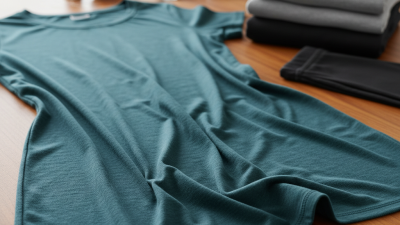
Comfort is key for many buyers. The soft texture of jersey knit offers a cozy feel, perfect for everyday wear. It also stretches well, adapting to body movements. This flexibility enhances the overall fit and comfort of clothing. It’s common to see jersey knit used in t-shirts and casual dresses. The casual look often hides how functional this fabric is.
However, there are some considerations. Jersey knit can pill over time, affecting its appearance. Buyers may need to consider proper care methods to maintain quality. While it is breathable, heavy use may lead to stretching. Regular washing is essential, but it should be done gently. Choosing natural fibers can help retain the fabric's integrity longer.
Jersey knit fabric has gained global recognition for its versatility. This material is commonly used in clothing, home textiles, and sportswear. Its unique properties allow it to adapt to various applications seamlessly. According to a 2022 market report, the jersey knit fabric market is expected to grow by 8% annually, highlighting its increasing demand worldwide.
The softness and stretchability of jersey knit make it ideal for garments like t-shirts and dresses. A survey revealed that 70% of consumers prefer clothing made from jersey knit for everyday wear. This fabric breathes well and provides comfort, making it favorable for sports apparel too. However, it is important to note that not all jersey knits are created equal. Different blends and weaves can affect quality and performance.
**Tip:** Always check the fabric composition before purchasing. Look for blends that enhance durability without compromising comfort.
Home textile applications are also rising. Jersey knit is popular for bedding and pillow covers, given its cozy feel. However, some manufacturers overlook the importance of weight and stretch ratios, leading to customer dissatisfaction. Keeping up with quality control is essential.
**Tip:** Test the fabric's stretchability. This ensures it meets the requirements of your intended project.
| Benefit | Description | Applications |
|---|---|---|
| Comfort | Soft texture that feels pleasant against the skin. | T-shirts, dresses, activewear. |
| Stretchability | Ability to stretch and recover without losing shape. | Yoga pants, leggings, fitted tops. |
| Breathability | Allows air circulation, keeping the body cool. | Summer clothes, athletic wear. |
| Wrinkle Resistance | Resists creasing and maintains a smooth appearance. | Casual wear, travel clothing. |
| Durability | Holds up well through washing and wear. | Everyday apparel, uniforms. |
| Moisture-Wicking | Quickly absorbs and evaporates sweat. | Sports jerseys, workout gear. |
| Easy Care | Machine washable and easy to maintain. | Daily wear, children’s clothing. |
| Versatility | Suitable for various styles and designs. | Dresses, tops, and simple separates. |
| Affordability | Cost-effective fabric choice for manufacturers. | Mass-produced clothing items. |
| Style Options | Available in various prints and colors. | Fashion apparel, seasonal collections. |
Jersey knit fabric is popular for its ease of care. This material is often chosen for its ability to withstand frequent washing. It holds its shape well, reducing the need for special treatments. With a simple machine wash, jersey knit can look fresh and new. This feature is particularly valuable for busy consumers who don’t have time for high-maintenance fabrics.
One of the most appealing aspects of jersey knit is its quick-drying nature. After washing, items made from this fabric typically dry faster than others. This can be a game changer for those living in humid areas. Additionally, jersey knit tends to resist wrinkles, which means less ironing. Not every fabric offers such convenience. However, some buyers may overlook that a slightly higher heat can cause shrinkage.
While jersey knit is relatively low-maintenance, it does have its drawbacks. Over time, some versions may show pilling or fading. Buyers must be mindful of these potential issues. Choosing the right quality can make a big difference in durability. Not every jersey knit fabric is created equal. Careful selection is essential for long-term satisfaction.