Best Fabric Cool Solutions for Global Buyers Today?
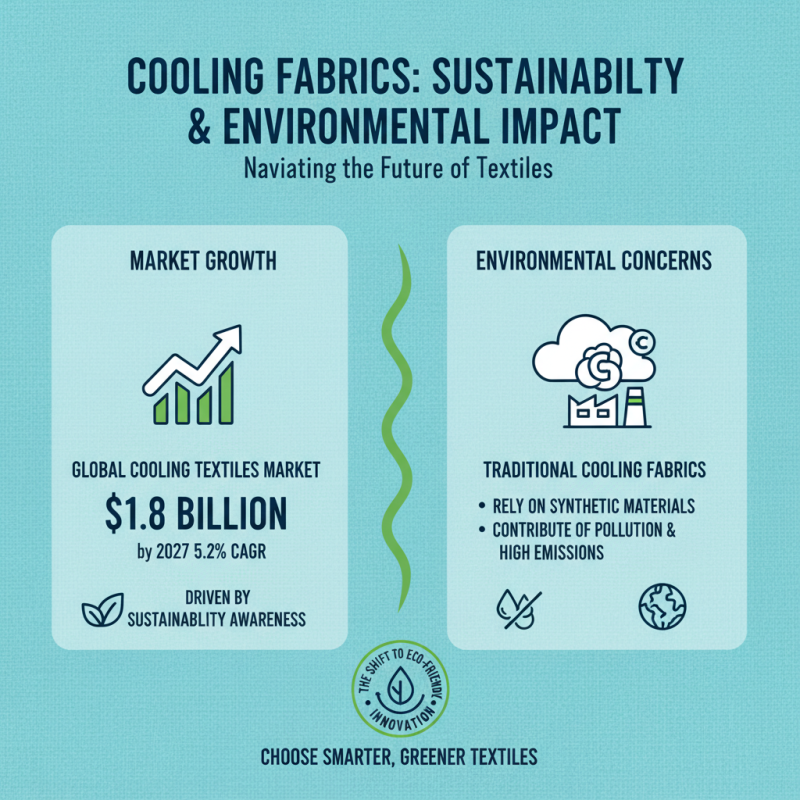
In today's global market, the demand for innovative cooling solutions is more critical than ever. The rise of fabric cool technologies has transformed how industries address temperature management, particularly in textiles. According to a recent report by Technavio, the global market for cooling fabrics is anticipated to grow at a CAGR of 9% through 2025. These fabrics are not just a trend; they provide practical benefits that enhance comfort and performance.
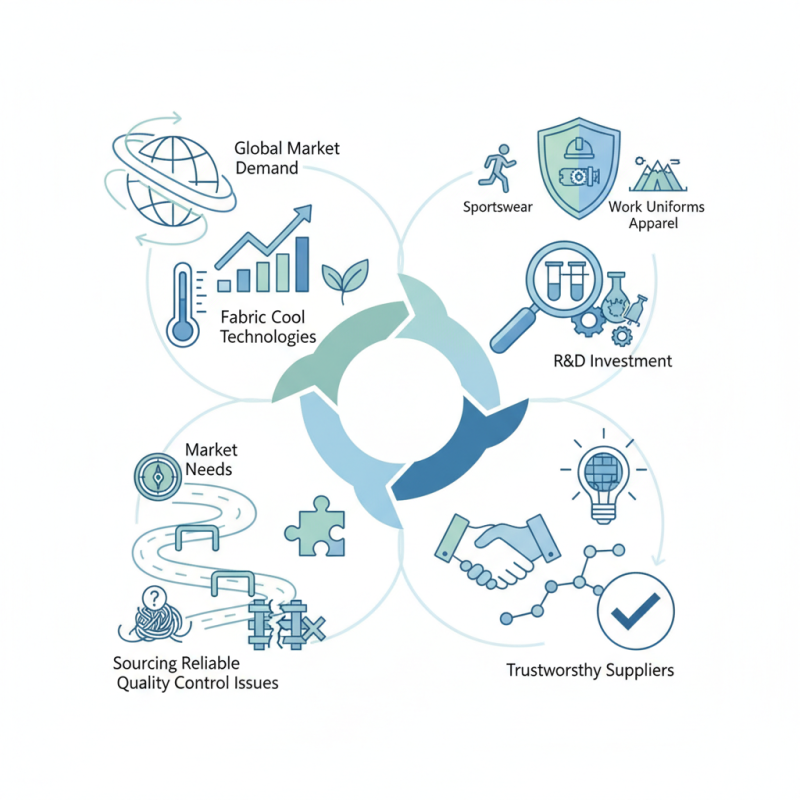
"Fabric Cool" solutions offer remarkable advantages for various sectors, including sportswear, work uniforms, and outdoor apparel. Companies are now investing heavily in research and development. This investment reflects an industry shift towards sustainability and functionality. Yet, despite the advancements, some challenges persist. Sourcing reliable materials remains a considerable hurdle. Quality control issues can undermine the effectiveness of cooling fabrics.
Navigating this landscape requires expertise and awareness of market needs. Stakeholders must also evaluate existing solutions and ensure they meet evolving consumer expectations. As the industry grows, identifying trustworthy suppliers will become imperative. This focus on reliability and innovation will help sustain the momentum in "Fabric Cool" technologies.
Overview of Fabric Cooling Technologies for Global Consumers
In recent years, fabric cooling technologies have captured the attention of consumers. These innovations aim to enhance comfort during hot weather. Understanding how these solutions work is essential for making informed choices.
One notable technology involves moisture-wicking fabrics. These materials draw sweat away from the body. This process allows for quicker evaporation, which keeps wearers cooler. Another method uses phase change materials. These fabrics can absorb and release heat, leading to a more regulated temperature. The science behind these technologies is continually evolving, and consumers should stay informed.
Despite their advantages, fabric cooling solutions are not perfect. Some materials may feel sticky when wet, reducing comfort. Additionally, the durability of these fabrics varies. Over time, their effectiveness may diminish. Consumers should consider these factors when selecting their cooling solutions. Knowledge and experience in the field of fabric technology can guide them to make better choices.
Best Fabric Cool Solutions Overview
Key Features to Look for in Fabric Cooling Solutions
When choosing fabric cooling solutions, key features play a crucial role. Look for breathability. Fabrics that allow air circulation help keep the body cool. Lightweight materials are another essential aspect. They provide comfort and ease of movement, especially in hot weather. Moisture-wicking properties can be invaluable. They draw sweat away from the skin, ensuring a dry experience.
Consider the sustainability factor. Eco-friendly materials are becoming increasingly popular. They not only reduce environmental impact but also offer durability. Performance is vital. Testing how fabrics perform under various conditions can yield insights. Some may work well in humid climates, while others excel in dry heat.
User feedback is essential. Listening to experiences from other buyers can guide your decisions. It’s important to recognize that no single solution fits all. Personal preferences shape comfort levels. Explore several options and reflect on what suits individual needs best.
Popular Materials Used in Cooling Fabrics
Cooling fabrics have gained popularity for their ability to enhance comfort in hot weather. Various materials are commonly used in these fabrics, offering different cooling effects and properties. Polyester blends are popular for their lightweight nature. Notably, they quickly wick away moisture, keeping the skin dry. Nylon is another key material. It is breathable and offers good stretch, making it ideal for active wear.
Another remarkable fabric is bamboo. It's known for its natural cooling properties. Bamboo fibers can help regulate temperature. They also provide excellent UV protection. Additionally, there are innovative synthetic materials designed specifically for cooling. These often feature phase change technology, absorbing and releasing heat to maintain a comfortable temperature.
Tips: When selecting cooling fabrics, consider moisture-wicking capabilities. Look for breathable options that promote air circulation. Always check the care instructions to maintain fabric performance. Regular washing may impact durability, so follow guidelines closely. Keep in mind that some materials might require a learning curve for optimal use. Choose wisely to ensure your comfort during hot days.
Comparative Analysis of Top Cooling Fabric Brands
When analyzing the best cooling fabric brands, several factors emerge. The demand for breathable, moisture-wicking materials has surged. Data from a recent market report indicates a 15% annual increase in consumer interest for such fabrics. Many buyers today are looking for effective solutions that regulate temperature and enhance comfort.
Several brands focus on innovative fabric technology. They utilize cooling yarns and advanced textile structures. Studies reveal that fabrics made with specialized fibers can lower skin temperature by up to 2 degrees Celsius in hot conditions. This quality is critical for outdoor activities or warmer climates.
Tips: To choose the right fabric, consider the intended use. For sports, prioritize moisture-wicking features. Look for independent certifications that validate performance claims. Not all brands deliver on promises, requiring thorough research before purchasing. Remember to test fabrics in various settings to evaluate their effectiveness personally. It's essential to balance quality and cost, as higher-priced items may not always provide better cooling properties.
Best Fabric Cool Solutions for Global Buyers Today? - Comparative Analysis of Top Cooling Fabric Brands
| Brand |
Cooling Technology |
Material Composition |
Moisture Management |
UV Protection |
Customer Ratings (out of 5) |
| Brand A |
Phase Change Material |
Polyester Blend |
Excellent |
UPF 50+ |
4.5 |
| Brand B |
Cooling Gel Technology |
Nylon-Rayon |
Very Good |
UPF 30+ |
4.2 |
| Brand C |
Evaporative Cooling |
Cotton-Polyester |
Good |
UPF 40+ |
4.0 |
| Brand D |
Microfiber Technology |
Bamboo Fabric |
Excellent |
UPF 50+ |
4.8 |