2026 Best Jersey Knit Fabrics for Comfortable Fashion Choices?
In the world of fashion, comfort meets style through various fabric choices. One standout option is "Jersey Knit." This fabric is known for its stretch and softness, making it perfect for casual wear. Jersey Knit fabrics have become a staple in modern wardrobes, offering versatility for any occasion.
As we approach 2026, we see a growing trend in comfortable fashion. Designers are increasingly using Jersey Knit for everything from dresses to loungewear. This fabric enhances movement and breathability, ideal for daily activities. Yet, not all Jersey Knits are created equal. Some may lack durability and fade after washing.
Choosing the right Jersey Knit can be tricky. It’s essential to consider weight, blend, and texture. Lightweight options work well for summer, while heavier versions provide warmth. Make sure to explore various prints and colors available in this fabric. Reflecting on personal preferences will lead to smarter fashion choices. Jersey Knit remains a top contender for those seeking comfort without sacrificing style.

Overview of Jersey Knit Fabrics: Types and Characteristics
When it comes to comfort in fashion, jersey knit fabrics are a top choice. They are soft, stretchy, and breathable. Various types of jersey knits exist, each with unique characteristics. Cotton jersey is popular for its softness. It drapes beautifully and feels great against the skin. Polyester blends are durable and will hold their shape well.
Another type is rayon jersey. It offers a luxurious feel and a beautiful drape. However, rayon can sometimes lose its shape after multiple washes. This is something to keep in mind when selecting fabric for long-term wear.
Knit fabrics can be both practical and stylish. They are perfect for casual wear, yet can be dressed up. Despite their many advantages, some may find jersey knits snag easily. It’s important to consider care methods to maintain their integrity. Treating jersey fabrics with care can enhance their lifespan.
2026 Best Jersey Knit Fabrics for Comfortable Fashion Choices
| Fabric Type |
Composition |
Weight (g/m²) |
Stretch (%) |
Common Uses |
| Cotton Jersey |
100% Cotton |
150 |
30-40 |
T-Shirts, Casual Wear |
| Polyester Jersey |
100% Polyester |
180 |
20-30 |
Activewear, Performance Tops |
| Rayon Jersey |
95% Rayon, 5% Spandex |
140 |
25-35 |
Dresses, Tops |
| Bamboo Jersey |
95% Bamboo, 5% Spandex |
150 |
25-35 |
Eco-Friendly Apparel, Loungewear |
| Cotton-Poly Blend Jersey |
60% Cotton, 40% Polyester |
200 |
30-40 |
T-Shirts, Casual Dresses |
Factors to Consider When Choosing Jersey Knit Fabrics for Fashion
When choosing jersey knit fabrics for fashion, comfort is key. Look for materials that feel soft against the skin. Some fabrics might appear appealing but can be scratchy. Always test the fabric before purchasing. Check for breathability as well. A breathable fabric helps you stay cool on hot days.
Consider the weight of the fabric. Heavier knits can provide warmth, but they might be less versatile. Think about your climate. Lightweight jersey fabrics are usually better for layering.
Tips: Look for fabrics with a good stretch. This ensures a flattering fit. Pay attention to the drape of the fabric. A beautiful drape can elevate your outfit. Different colors and patterns can also impact your choice. Be daring but remember to stay true to your style.
Top Trends in Jersey Knit Fabrics for 2026 Fashion Collections
The fashion landscape in 2026 is shifting toward comfort and versatility, prominently showcased through jersey knit fabrics. These materials are not just soft but also functional. Expect lightweight blends that drape beautifully, perfect for layering. Versatile jersey fabrics easily transition from day to night, making them a staple in modern wardrobes.
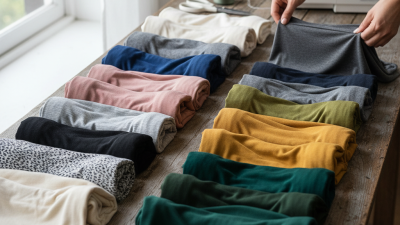
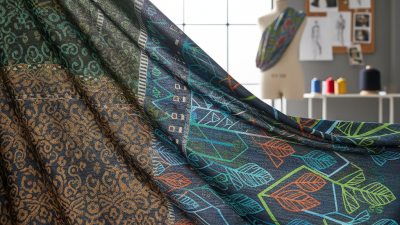
Color choices are evolving too. Earthy tones, vibrant pastels, and bold prints will dominate collections. Textures are experimenting more with ribbed and patterned knits, adding visual interest. Anti-pilling technology finds its way in, ensuring longevity and a polished look. However, navigating these trends can be tricky. Not every fabric provides the same comfort level.
Designers face challenges in balancing aesthetics and practicality. Some fabrics look great but lack breathability. Others feel wonderful but may fade quickly. This delicate dance between form and function is essential for creating lasting fashion pieces. Embracing imperfection in jersey knits encourages exploration and innovation. As consumers become more discerning, the quest for comfortable yet stylish options continues.
Sustainable Jersey Knit Fabric Options for Eco-Friendly Fashion
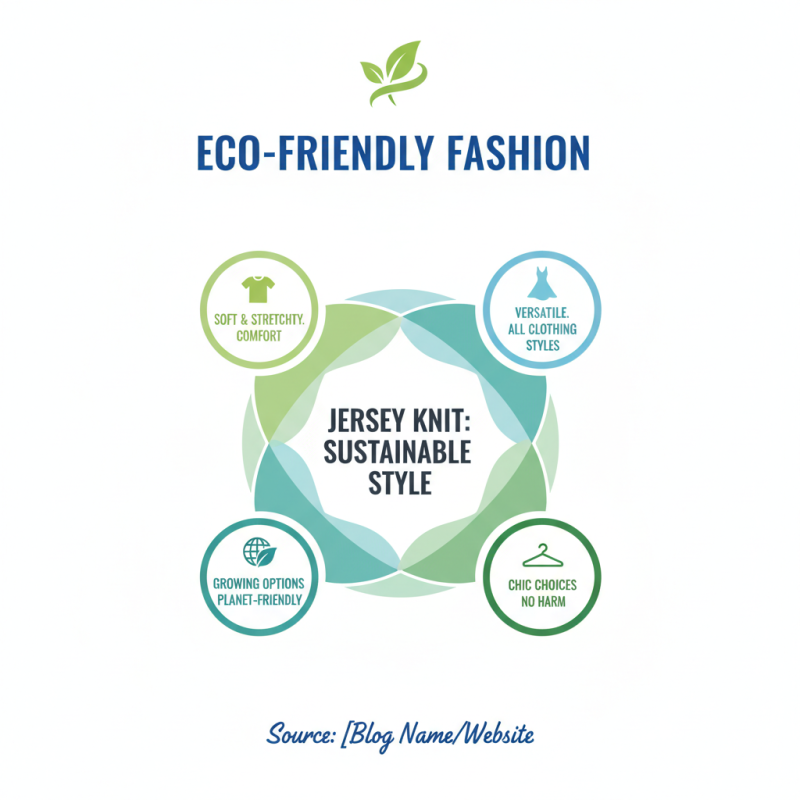
When choosing fabrics for eco-friendly fashion, jersey knit emerges as a popular choice. This versatile material is soft and stretchy, making it perfect for various clothing styles. Sustainable options are growing, offering stylish choices without harming the planet.
Organic cotton jersey fabric is a prime example. It’s made from cotton grown without harmful pesticides. The soft texture provides comfort, while the eco-friendly nature appeals to conscious consumers. Another great option is bamboo jersey, known for its breathability and moisture-wicking properties. However, sourcing procedures can sometimes be unclear, leading to potential environmental concerns.
Recycled polyester jersey is an innovative choice, made from post-consumer plastic bottles. It transforms waste into wearable items. Yet, the recycling process itself can be energy-intensive. Exploring alternatives is essential, as each option carries its own environmental impacts. In our journey towards sustainable fashion, we must remain vigilant and critical of our choices.
How to Care for Jersey Knit Fabrics to Ensure Longevity
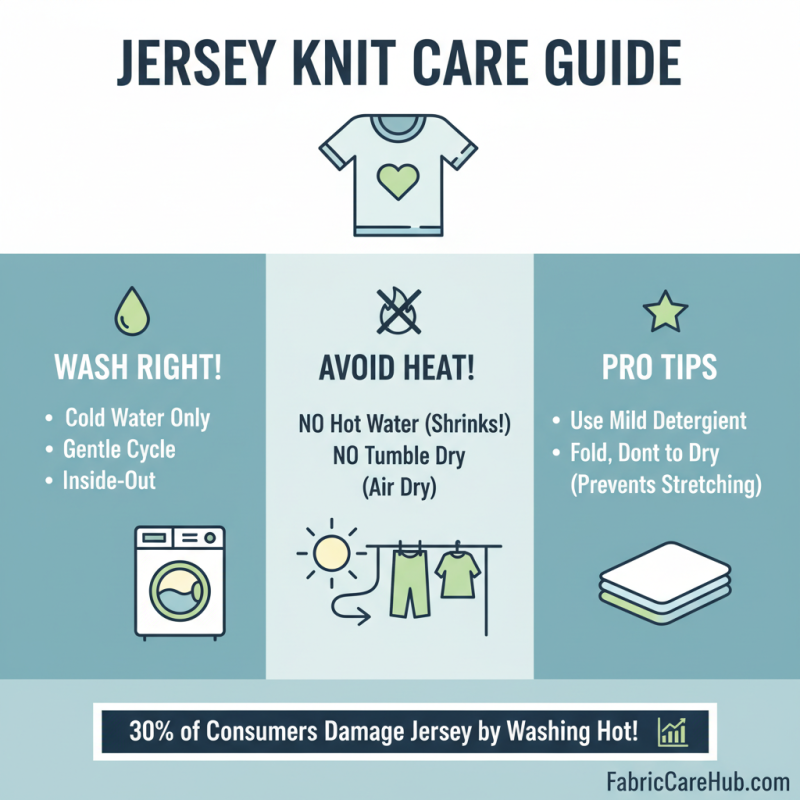
Caring for jersey knit fabrics is crucial for longevity. These materials are celebrated for their comfort and versatility. However, improper maintenance can lead to wear and fade. According to industry reports, 30% of consumers damage their jersey garments through incorrect washing methods. Many still wash in hot water, which can shrink the fibers.
When cleaning jersey fabrics, opt for cold water. This helps prevent shrinking and maintains vibrant colors. A gentle cycle is also ideal. Avoid aggressive spin cycles that stress the material. Additionally, consider air drying instead of machine drying. High heat can lead to more wear than expected.
Storing these fabrics correctly is equally important. Hanging can stretch the fabric while folding may cause creases. Instead, use padded hangers for delicate items. For longer storage, use breathable garment bags. This can protect against dust and pests while allowing the fabric to breathe. Remember, some jersey knits can pill over time. Regular gentle brushing helps maintain a smooth appearance.