China Top Garments Fabric Trends for Global Buyers in 2026?
In the ever-evolving world of Garments Fabric, trends are crucial for global buyers to stay ahead. Experts anticipate that 2026 will showcase a blend of innovation and sustainability. "The future of Garments Fabric lies in our ability to merge technology with eco-friendly practices," says Dr. Emily Chen, a leading textile researcher.
As we look to the future, vibrant patterns and sustainable materials will dominate. Textures that enhance comfort while minimizing environmental impact will be key. The global market demands high-quality fabrics that resonate with consumers. Yet, the challenge remains. How can manufacturers balance aesthetics with sustainability?
The journey toward innovative Garments Fabric is not without its setbacks. There is a need for continuous reflection on production methods. Striking the right balance between creativity and responsibility is essential. Fashion is dynamic, and embracing this evolution will define the success of future collections. Adapting to market needs while keeping environmental concerns in mind remains a tall order.

China's Textile Industry Overview and Future Projections for 2026
China's textile industry is poised for significant growth as we approach 2026. With advancements in technology and innovation, the production of garment fabrics is evolving rapidly. Sustainable practices are taking center stage. Eco-friendly fibers are becoming vital. This shift reflects a global demand for responsible sourcing and manufacturing.
Tips: When sourcing fabrics, consider their origin. Ethical sourcing not only supports local economies but also enhances your brand's reputation.
The industry faces challenges, too. Supply chain disruptions remain a concern. Quality control issues can arise when working with multiple suppliers. Furthermore, adapting to changing consumer preferences is crucial. Buyers should stay informed about the latest trends to remain competitive.
Tips: Regularly assess your suppliers. Build long-term relationships to ensure consistency in quality and delivery.
In addition, there is a pronounced focus on customization. Brands can no longer rely on standard offerings. Unique designs will capture consumers' attention. This trend encourages innovation but requires agility in manufacturing processes. Thus, brands must balance quality and speed to meet market demands effectively.
China's Textile Industry Overview and Future Projections for 2026
Key Innovations in Fabric Technology and Sustainability Trends
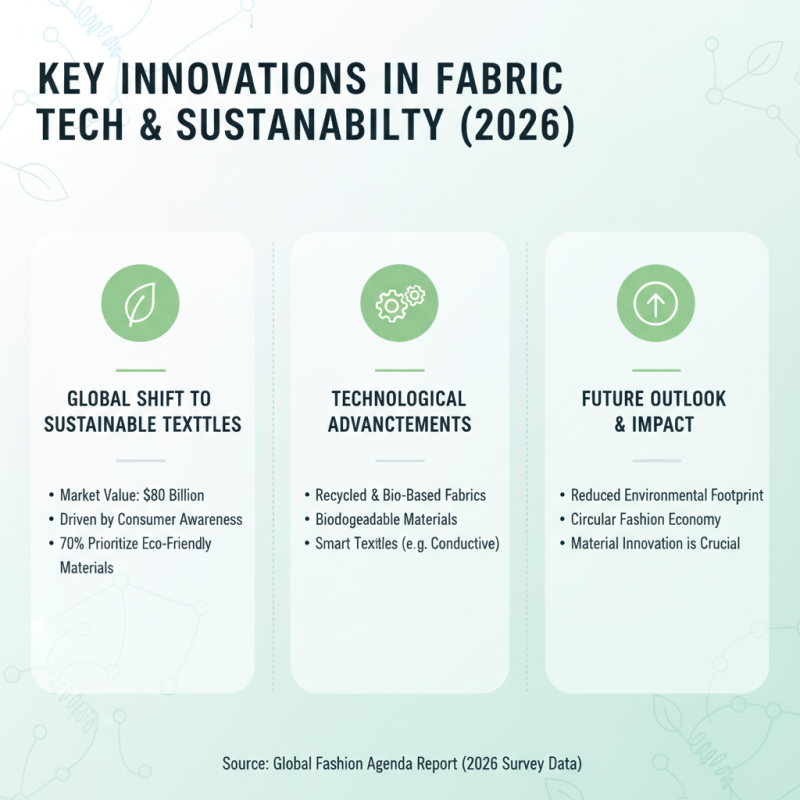
In 2026, fabric technology is set to undergo significant transformation, driven by sustainability and innovation. According to a recent report by the Global Fashion Agenda, material innovation remains crucial, with sustainable textiles projected to reach a market value of $80 billion. This shift reflects a growing awareness among consumers and buyers. Nearly 70% of respondents in a recent survey emphasized the importance of eco-friendly materials in their purchasing decisions.
Key innovations include bio-based fabrics and advanced recycling techniques. For instance, researchers are developing textiles from natural fibers, which can decompose more efficiently. In the case of synthetic materials, technologies that recycle plastic waste are gaining traction, contributing to a circular economy. However, brands face challenges in balancing cost and sustainability. Reports indicate that sustainable fabrics often come at a higher price point, which may deter some buyers, particularly in the fast-fashion sector.
Additionally, the integration of smart textiles is reshaping the market landscape. Fabrics embedded with sensors can monitor health metrics or adapt to environmental conditions. This technology promises to enhance user experience but may raise concerns regarding data privacy. As the market evolves, buyers must stay informed about these advancements, recognizing that not all innovations will meet their expectations. The future of fabric technology is filled with potential, but practical implementation will require careful consideration and strategic planning.
Emerging Fabric Types Popular Among Global Buyers in 2026
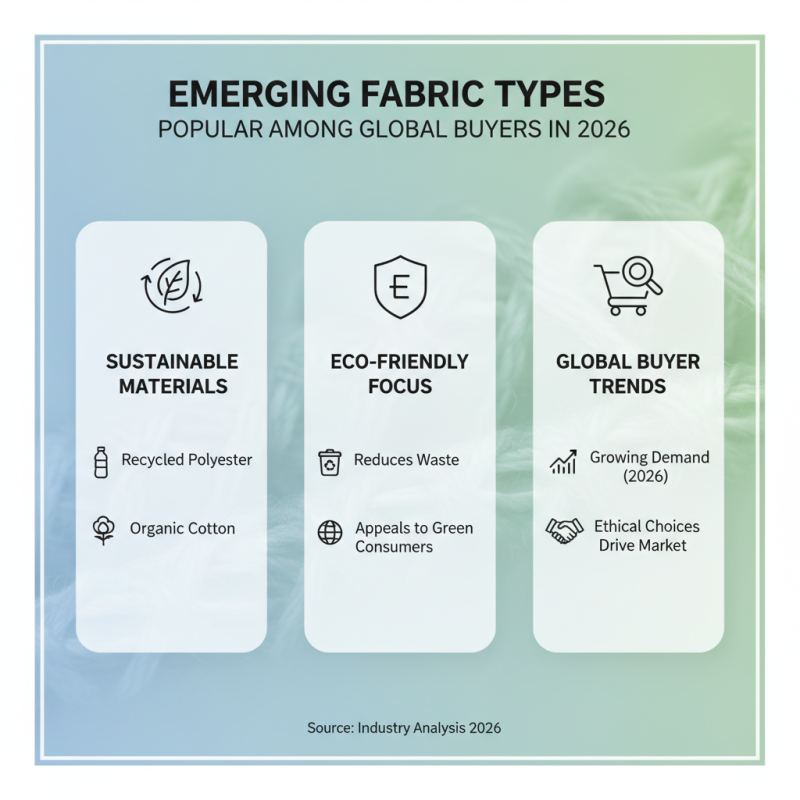
As we look ahead to 2026, emerging fabric trends are set to captivate global buyers. One noticeable trend is the rise of sustainable materials. Eco-friendly fabrics made from recycled polyester and organic cotton are gaining traction. These materials not only reduce waste but also appeal to environmentally conscious consumers.
Another fascinating development is the popularity of multifunctional fabrics. These textiles offer various qualities, such as moisture-wicking, UV protection, and anti-bacterial properties. Buyers are increasingly seeking versatility in fabrics. They want materials that adapt to diverse conditions and uses.
However, the rapid evolution of fabric technology presents challenges. Many buyers are overwhelmed by the options available. Understanding the benefits and limitations of each new fabric type requires careful consideration. It is essential for buyers to stay informed and select fabrics that align with their brand values and market needs.
Consumer Preferences Shaping Garment Fabric Choices
As consumer preferences evolve, so do the choices in garment fabrics. Buyers in 2026 will likely seek sustainable and innovative materials. Eco-friendly textiles have become more than a trend; they are a necessity. Shoppers now favor fabrics made from recycled resources. This shift is driven by increasing environmental awareness among consumers.
Textures and aesthetics play a crucial role in fabric selection. Softness and comfort are top priorities for many. Buyers are searching for breathable materials that also offer durability. Compact and lightweight fabrics are gaining traction, especially for activewear. However, balancing these qualities can be challenging for manufacturers. There remains inconsistency in production capabilities across the textile industry.
The rise of smart fabrics is fascinating yet complex. These materials integrate technology, enhancing functionality. Yet, consumer readiness to embrace these innovations varies. There's apprehension about care and longevity. Additionally, some buyers may question the sustainability of technologically enhanced fabrics. This leads to a crucial reflection: can industry standards ensure both innovation and responsibility?
Impact of Global Trade Policies on China's Fabric Market Dynamics
The global trade landscape is constantly shifting, impacting markets everywhere. China's fabric industry is no exception. Trade policies set by major economies can ripple through China's textile sector. These changes can affect prices, availability, and even the type of fabrics produced.
For instance, recent tariffs on textile imports from China have forced manufacturers to adapt. Some factories may be compelled to switch to lower-cost materials to maintain competitiveness. This pivot could lead to a decline in quality for some products. Buyers should be cautious about these developments. They should also stay informed about potential trade negotiations that could alter fabric sourcing.
Additionally, environmental regulations in other countries affect demand for sustainable textiles. As buyers become more environmentally conscious, they might seek fabrics that align with these values. However, China's ability to meet these demands relies on supportive trade policies. Any unfavorable regulations could hinder progress. Staying ahead requires alertness to both market trends and the regulatory environment.