China Top Polyester Stretch Fabrics for Fashion and Function?
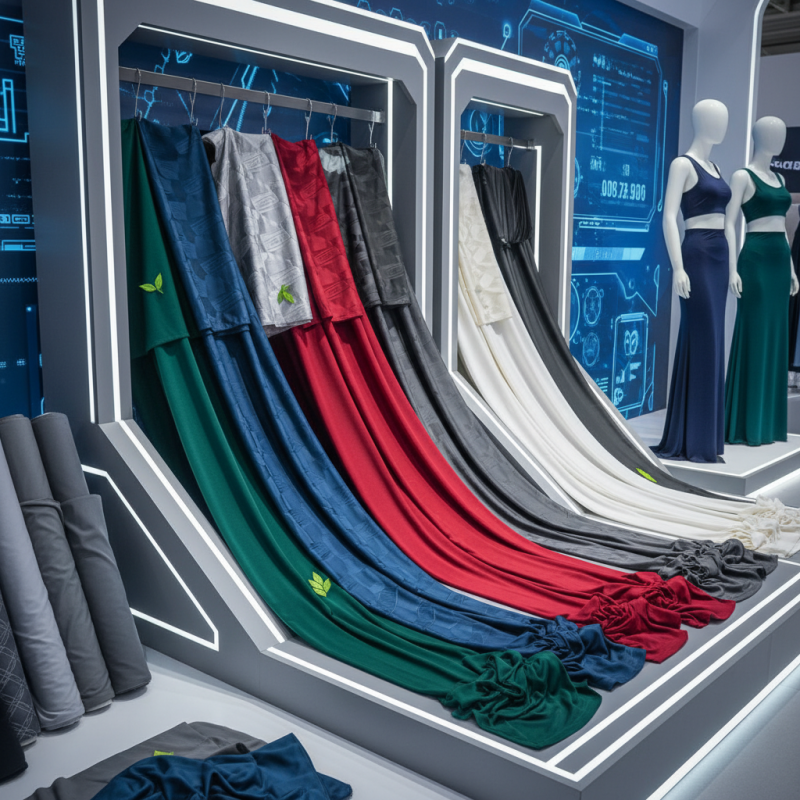
The fashion industry continues to evolve, with China leading the way in innovative materials. Polyester stretch fabrics have gained immense popularity for their versatility and comfort. These fabrics combine aesthetic appeal with functional benefits, making them ideal for various applications.
As we approach the 139th Canton Fair, the focus on advanced manufacturing and new materials highlights the importance of polyester stretch. Buyers are eager to explore options that meet quality standards and enhance design possibilities. The fair introduces AI features to streamline supplier searches, ensuring that manufacturers can connect efficiently.
Despite the advancements, challenges remain. Some textile producers still struggle with sustainability. Finding eco-friendly polyester stretch options can be daunting. The pursuit of fashionable yet functional materials demands ongoing reflection and improvement in production practices.
Overview of Polyester Stretch Fabrics in China
Polyester stretch fabrics have gained popularity in China's textile industry. These fabrics blend comfort and versatility, making them ideal for various fashion applications. They are often used in activewear, casual outfits, and evening attire. The stretchability allows for free movement, appealing to modern consumers.
When selecting polyester stretch fabrics, consider the weight and texture. Lightweight fabrics are perfect for warm weather, while heavier options offer more warmth in cooler seasons. Don't overlook the importance of breathability. Fabrics that wick moisture can enhance comfort during physical activities.
**Tip:** Pay attention to the fabric's blend. Blending with materials like spandex may enhance stretch and durability.
While polyester stretch fabrics are abundant, quality varies significantly. Not all fabrics will withstand multiple washes or retain their shape. Testing a small sample can prevent regret later. Make sure to assess how the fabric feels against the skin. Some polyester blends can irritate sensitive skin, so it’s essential to prioritize comfort.
**Tip:** Check the fabric label for care instructions. Proper maintenance ensures the longevity of your garments.
China Top Polyester Stretch Fabrics for Fashion and Function
| Fabric Type |
Stretch Percentage |
Weight (gsm) |
Usage |
Key Features |
| Polyester Spandex Blend |
10% - 25% |
150 |
Activewear, Sportswear |
Breathable, Moisture-wicking |
| Stretch Micro-Fiber |
20% - 30% |
200 |
Fashion, Casual Wear |
Soft Texture, High Durability |
| Polyester Jersey |
15% - 20% |
180 |
T-shirts, Dresses |
Easy Care, Color Retention |
| Double Knit Polyester |
10% - 15% |
230 |
Outerwear, Jackets |
Wind Resistant, Insulating |
| Plain Weave Stretch |
5% - 15% |
160 |
Skirts, Pants |
Comfortable Fit, Versatile |
Key Characteristics of Polyester Stretch Fabrics
Polyester stretch fabrics have quickly gained prominence in the fashion industry. Their key characteristics make them desirable for various applications. These fabrics are lightweight and durable, providing comfort and flexibility. According to a recent market report, the polyester fabric market is expected to reach $140 billion by 2025. This growth reflects the rising demand for versatile materials in clothing.
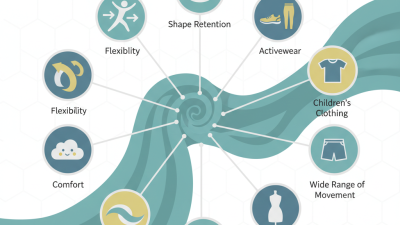
One of the standout features of polyester stretch fabrics is their ability to maintain shape. They stretch well, returning to their original form after use. This elasticity is crucial, especially in activewear, where fit and mobility are essential. However, not all polyester blends perform equally. Some may lack breathability due to their synthetic nature, potentially causing discomfort during prolonged wear.
Moreover, the moisture-wicking properties of polyester stretch fabrics enhance their appeal. This technology allows sweat to evaporate quickly, keeping the wearer dry. A study indicated that 75% of consumers prioritize moisture management in their activewear selection. Yet, reliance on synthetics poses environmental concerns, with microplastics entering ecosystems from washing. Balancing performance and sustainability remains a challenge for designers and manufacturers in this evolving landscape.
Applications of Polyester Stretch Fabrics in Fashion
Polyester stretch fabrics have taken the fashion world by storm. These materials combine style with functionality, offering great versatility. They are lightweight and breathable, making them perfect for various applications. From activewear to elegant dresses, polyester stretch fabrics adapt to diverse trends.
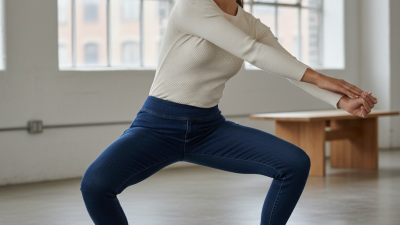
In activewear, these fabrics provide freedom of movement. They stretch and recover well, allowing for comfort during workouts. Designers often use them for leggings and tops. However, some might overlook the importance of fabric weight. Heavier fabrics can feel restricting during exercise. Always consider the right balance for each garment.
For casual wear, polyester stretch blends are popular in everyday clothing. They resist wrinkling, making them ideal for busy lifestyles. Yet, the shine of some polyester blends can appear cheap. Selecting the right finish is crucial. Different textures can elevate a simple t-shirt or pair of pants.
Tips: Test the stretch before purchasing. Some fabrics may lose their elasticity after multiple washes. When styling, mix polyester stretch with natural fibers for a balanced look. Always pay attention to care instructions for long-lasting wear.
Advantages of Using Polyester Stretch Fabrics
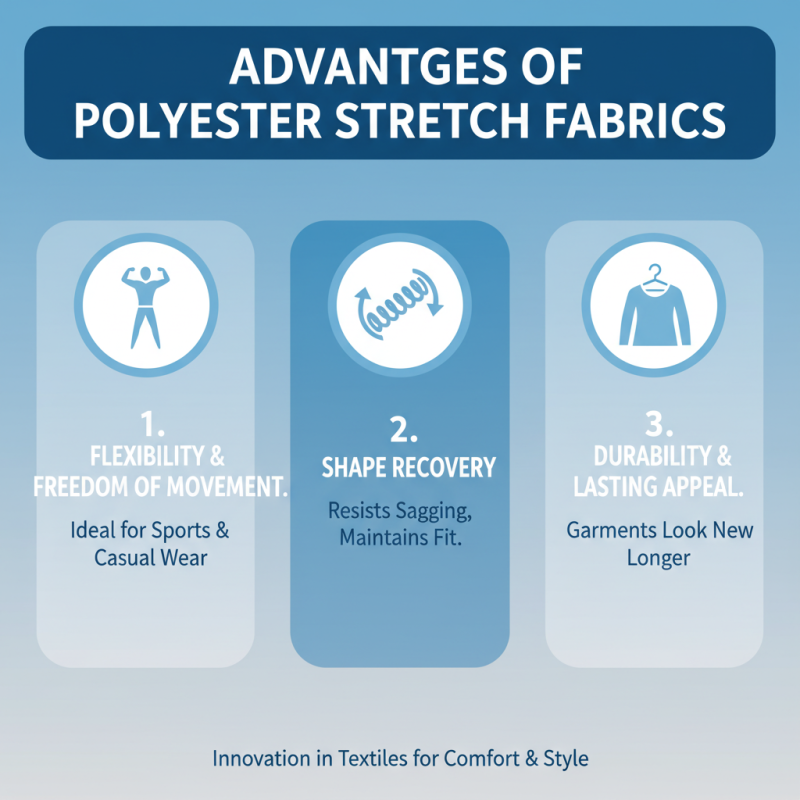
Polyester stretch fabrics are gaining popularity in fashion and functional clothing. These materials offer remarkable benefits. They provide excellent flexibility, allowing garments to move freely. This is crucial for activities like sports and casual wear. Stretch fabrics can also recover their shape well, reducing sagging and maintaining a flattering fit.
Moreover, polyester stretch fabrics are incredibly durable. They withstand frequent wear and tear, making them ideal for everyday use. The moisture-wicking properties keep the wearer dry, enhancing comfort throughout the day. Many people appreciate these practical advantages. Yet, the reliance on synthetic fibers raises environmental concerns. It’s essential to reflect on the impact of using plastics in fashion.
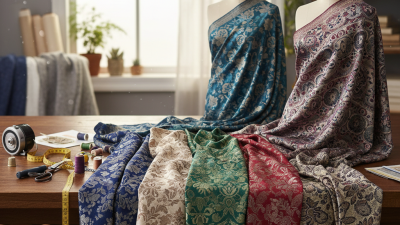
Another aspect to consider is the aesthetic versatility of polyester stretch. It can mimic other materials, offering numerous design possibilities. However, this can sometimes lead to a lack of authenticity in fashion. Consumers and designers need to strike a balance between practicality and sustainability. Selecting fabrics that fulfill both style and conscience is a reflection of the evolving fashion landscape.
Future Trends in Polyester Stretch Fabric Technology
The future of polyester stretch fabric technology is evolving rapidly.
According to a recent industry report, the global polyester fabric market is projected to reach
$66 billion by 2025.
This growth reflects a rising demand for materials that combine comfort and functionality. Designers are now focusing on
fabrics that not only stretch but also breathe well and resist wrinkles. These features are crucial
in the fashion industry.
Emerging technologies in fabric production are enabling the creation of advanced polyester blends.
These innovations allow for better moisture management and durability. A recent survey indicated that
75% of consumers prioritize performance in their clothing choices.
This trend pushes manufacturers to explore sustainable practices in polyester production.
However, challenges remain. The reliance on fossil fuels in polyester manufacturing raises concerns
about environmental impact.
Looking ahead, transparency in manufacturing processes will be vital.
Consumers are increasingly aware of the materials they wear. They expect brands to provide
detailed information about fabric sourcing and production methods.
The journey toward sustainable polyester fabric technology is ongoing. It requires innovation, careful planning,
and social accountability.