2026 How to Choose Polyester Stretch Material for Optimal Comfort?
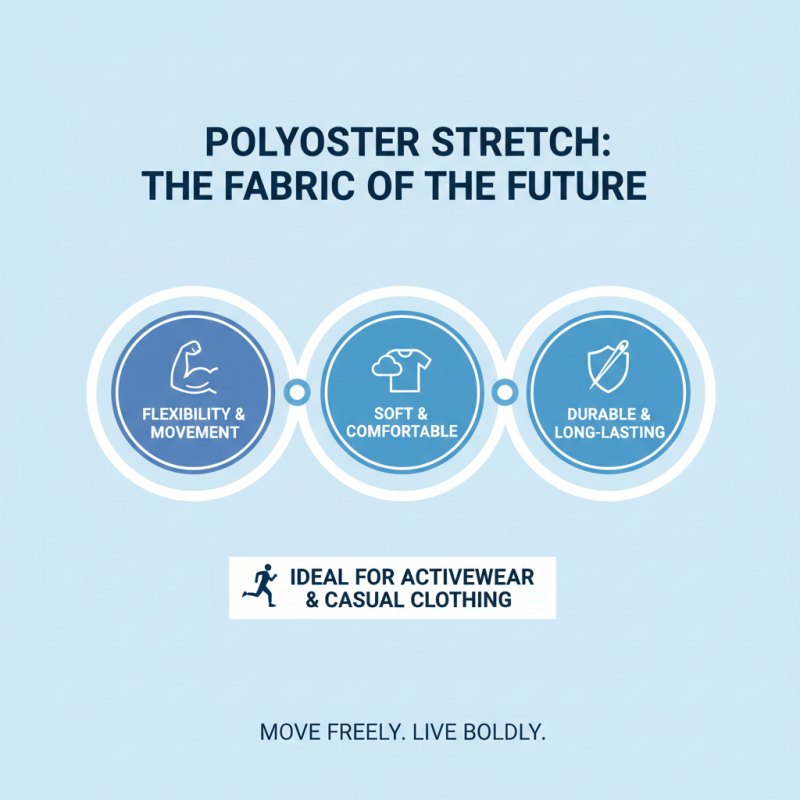
Choosing the right fabric can be daunting. Polyester Stretch Material stands out as a popular choice. It offers flexibility and comfort, making it ideal for various applications. Whether it's activewear or casual clothing, this material adapts to your body's movements.
Understanding the characteristics of Polyester Stretch Material is crucial. It's breathable and lightweight, which enhances comfort during wear. The fabric also allows for a snug fit without restricting movement. However, not all polyester stretch fabrics are created equal. The quality can vary widely based on manufacturing methods.
Finding the perfect Polyester Stretch Material might take time and experimentation. Consider factors such as stretchability, moisture-wicking properties, and durability. Pay attention to fabric blends as well. Sometimes, a mix of materials can elevate comfort levels and performance. Keep in mind that comfort is subjective, and what works for one may not work for another.
Understanding Polyester Stretch Material and Its Benefits
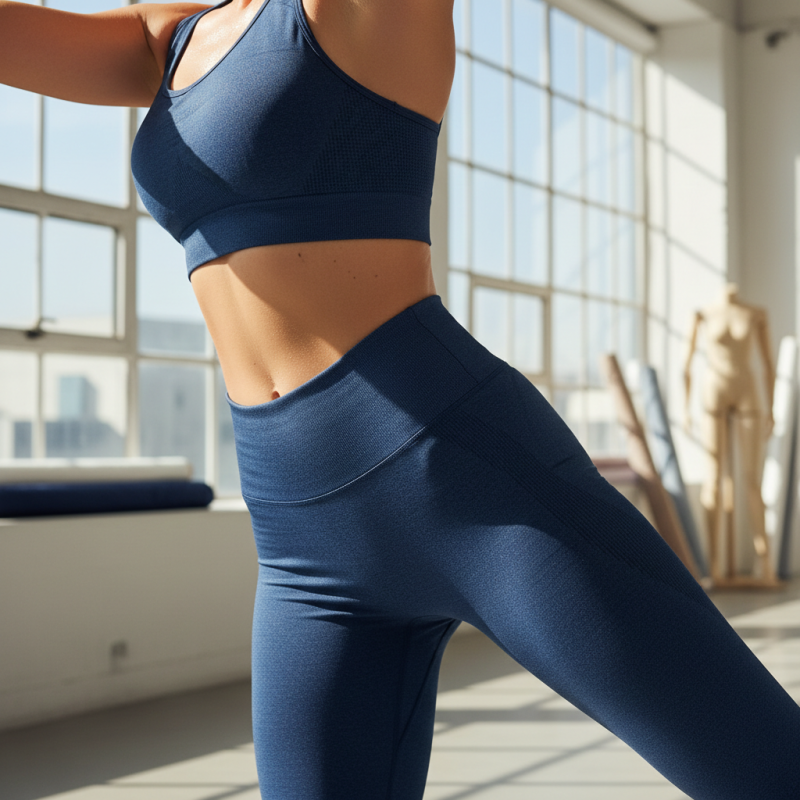
Polyester stretch material is gaining popularity in the fashion world. It is soft yet durable, making it suitable for various applications. This fabric provides excellent flexibility, allowing clothing to move with the body. Comfort is paramount when shopping for activewear or casual clothing. The inherent stretch in polyester reduces restrictions on movement.
One key benefit of polyester stretch material is its moisture-wicking properties. It draws sweat away, keeping the skin dry and comfortable. This can enhance workout experiences. Breathability is another advantage. Fabrics made from polyester stretch often allow air circulation. However, some may find them lacking in natural feel compared to cotton blends. This is a point worth considering.
In terms of maintenance, polyester is easy to care for. It resists wrinkles and shrinks, making it practical for everyday wear. But, on the downside, synthetic fabrics can trap odors. You might want to look for blends that consider comfort and performance. It's crucial to weigh these factors based on your personal experience and needs.
Factors to Consider When Choosing Polyester Stretch Material
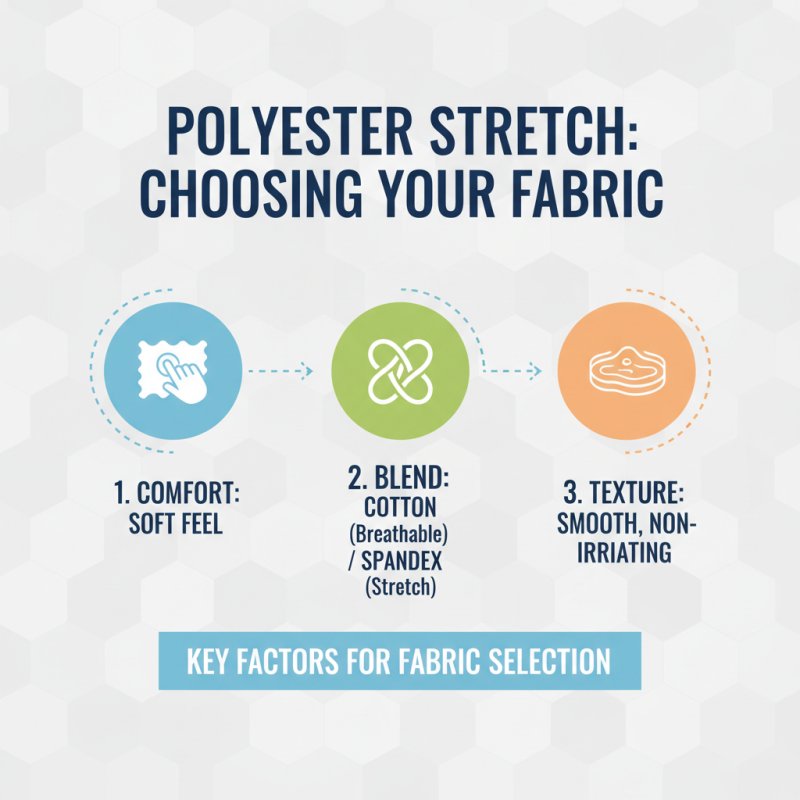
When choosing polyester stretch material, several factors come into play. Comfort is key. The fabric should feel good against your skin. Consider the blend of polyester with other fibers. Sometimes, a cotton blend can offer breathability. Other times, a spandex blend enhances stretchability. Look for a fabric with a smooth texture. Rough materials can irritate the skin.
Durability is another essential aspect. Stretch fabric is often subjected to wear and tear. You want something that lasts. Check the material's resilience against fading and abrasion. Test its stretch quality. Does it bounce back after being pulled? A good fabric should not lose its shape easily. Yet, not all polyester stretch materials are equal. Some may be more prone to fraying.
Finally, think about your intended use. Athletic wear requires different characteristics than everyday clothing. For activewear, moisture-wicking properties are a plus. However, if you’re making casual outfits, focus on aesthetics. Sometimes, aesthetics might lack practicality. It's essential to balance style with comfort. Pay attention to how the fabric feels and moves with you. Not all decisions will be perfect, but learning from each choice can guide future selections.
Evaluating Fabric Quality for Maximum Comfort and Performance
Choosing the right polyester stretch material involves evaluating its quality. Not all polyester is created equal. Some fabrics feel silky, while others can be rough and uncomfortable. A smooth texture can enhance comfort, making it easier to wear for long hours.
Look for breathability and softness. Fabrics that trap heat can lead to discomfort. A blend with spandex often improves flexibility and shape retention, which is essential for active wear. However, too much stretch can make fabric feel tight. The balance is key.
Consider the fabric's weight and thickness. Lighter materials often flow better, but they may lack durability. You might struggle with wear and tear after multiple uses. Inspecting seams and stitching is also important. Poorly constructed items may lead to discomfort over time. Ultimately, finding the right polyester mix requires reflection and testing. What feels good now might not be ideal later.
The Role of Fiber Composition in Polyester Stretch Materials
When selecting polyester stretch materials, the fiber composition plays a crucial role in comfort. Polyester is often blended with other fibers to enhance its properties. Common blends include elastane for stretch and cotton for breathability. Understanding the blend can help you choose wisely.
To improve comfort, consider the percentage of elastane. A higher elastane content allows for more flexibility. This can be beneficial for activewear or form-fitting clothing. However, too much elastane may lead to excessive clinginess, which some find uncomfortable.
Tips: Always check fabric labels. Look for a comfortable range of stretch. You might want to test the fabric against your skin.
Another point to consider is the feel of the material. Some polyester fabrics can be rough, while others are soft. Prioritize your comfort when making a choice.
Care and Maintenance Tips for Long-lasting Comfort in Polyester Fabrics
Polyester fabrics are known for their comfort and durability. However, proper care is essential for maintaining their quality. According to a report by Textile World, about 30% of fabric wear is due to improper washing practices. To prolong the life of polyester stretch materials, washing them in cold water is recommended. This method helps preserve the elasticity and color vibrancy of the fabric.
Drying polyester fabrics requires caution. A study from the American Cleaning Institute showed that high heat can damage polyester fibers. It's better to air dry or use a low-heat setting in the dryer. Too often, consumers overlook this detail, leading to shrinkage and loss of comfort. Additionally, avoid using fabric softeners, as they can leave residues that degrade the fabric over time.
Regular maintenance can enhance comfort. For instance, washing polyester items after each wear prevents buildup of body oils. A survey by the National Textile Association found that 70% of consumers do not wash synthetic fabrics regularly. This neglect can lead to unpleasant odors and reduced softness. Taking these simple steps can greatly improve the longevity and comfort of polyester stretch materials.
2026 How to Choose Polyester Stretch Material for Optimal Comfort?