How to Choose the Best Cotton Knit Fabric for Your Sewing Projects?
Choosing the right Cotton Knit Fabric can transform your sewing projects. Renowned fabric expert, Jane Smith, states, "The right fabric can make or break your creation." Her insights resonate deeply in the crafting community, highlighting the significance of material choice.
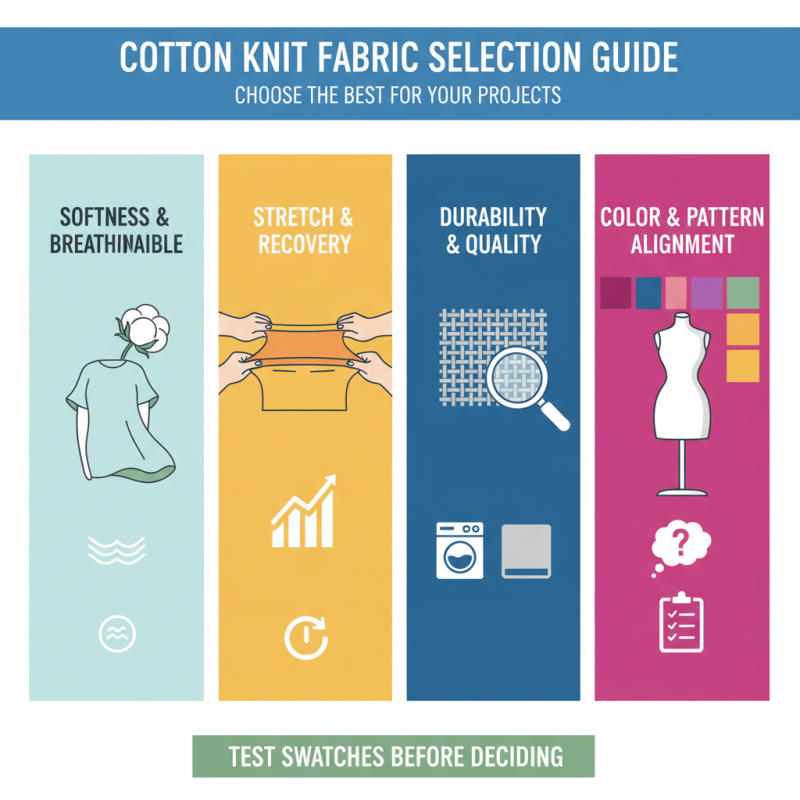
Cotton Knit Fabric is versatile. It’s soft, breathable, and stretchy, making it ideal for various items like t-shirts and dresses. However, not all cotton knits are created equal. Some will pill or lose shape after washing. Observing the weight and quality is critical.
Exploring colors and patterns can also be overwhelming. It's easy to get lost in beautiful designs and forget about functionality. Test swatches before making a final decision. When you select your Cotton Knit Fabric, ask yourself: Does it align with your intended use? Addressing these aspects leads to more successful and satisfying projects.
Understanding Different Types of Cotton Knit Fabrics Used in Sewing
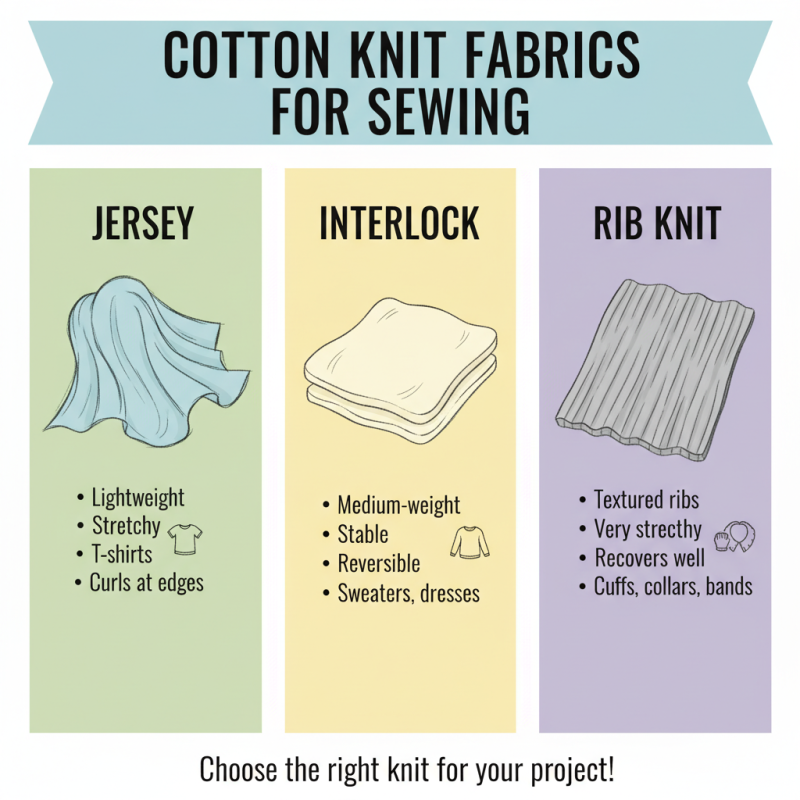
When choosing cotton knit fabrics for sewing, it’s essential to understand the various types available. Cotton knits come in several forms, such as jersey, interlock, and rib knit. Each type has its own unique characteristics that affect how your projects turn out. For instance, jersey is lightweight and stretchy, making it ideal for t-shirts. However, it can curl at the edges, which may require extra attention while sewing.
Tips: Always pre-wash your cotton knit fabric. This helps avoid shrinkage later on. Consider the fabric weight too. Lighter fabrics may drape better, while heavier ones offer more structure.
Interlock knit is thicker and more stable, perfect for making fitted garments. Its smooth texture is great for those seeking a polished finish. Yet, sewing with thicker knits can be challenging. Adjustments to your machine settings might be necessary for a smooth process.
Remember to sample sew before committing to your entire project. This practice can save you from potential frustration. It’s also wise to keep in mind the stretch percentage. Choosing fabrics with the right amount of stretch ensures comfort and fit in the final design.
Evaluating Fabric Weight: Gauge and its Impact on Your Project
When selecting cotton knit fabric for your projects, fabric weight is crucial. The gauge of the fabric greatly influences its drape and use. Heavier knits, often around 10 ounces per yard, provide excellent structure. This is ideal for items like sweaters or jackets. Lighter knits, under 6 ounces, are perfect for T-shirts or dresses, offering breathability and comfort.
Tips: Always check the fabric label for weight details. This guarantees that you choose the suitable fabric for your intended project. Experimenting with various weights can help fine-tune your skills.
Also, consider how the fabric feels. Heavier fabrics can be bulky, while lightweight ones may cling. Both have their challenges. It’s essential to test swatches to see how they behave when sewn. Take notes on how each weight impacts your design process, ensuring that you can adapt as needed without frustration.
Assessing Stretch and Recovery in Cotton Knit: Key to Comfort and Fit
When selecting cotton knit fabric, assessing stretch and recovery is crucial for comfort and fit. Stretch determines how well the fabric can expand and move with your body. Look for fabrics that provide sufficient elasticity without losing shape. The right amount of stretch allows garments to hug your curves in a flattering way. A knit with little stretch may restrict movement, leading to discomfort.
Recovery is equally important. After stretching, will the fabric return to its original form? Fabrics with poor recovery can sag over time. This could spoil the look of your finished garment. Always test a small swatch. Pull it gently, then release. Observe how it bounces back. Good recovery means your clothing will maintain its shape through wear and washing.
Consider the weight of the fabric too. A lighter knit may drape beautifully, but it might not have the stability you need. Conversely, a heavier knit can feel bulky. Striking a balance is key. Making a choice might feel overwhelming. Remember, learn from the process. Each project enhances your understanding of what fits your style and needs best.
Stretch and Recovery of Different Cotton Knit Fabrics
This chart illustrates the stretch and recovery percentages of different types of cotton knit fabrics. Stretch refers to how much the fabric can expand, while recovery indicates how well it returns to its original shape after being stretched. Understanding these properties is crucial for selecting the right fabric for your sewing projects.
Determining Fabric Composition: Blends vs. Pure Cotton for Durability
When selecting cotton knit fabric, understanding its composition is crucial for durability. Pure cotton is renowned for its breathability and softness. It withstands frequent use, making it perfect for garments like t-shirts. The Cotton Council International reports that pure cotton fabrics can last at least 30% longer than synthetic blends under typical wear conditions. However, 100% cotton may not always hold up against the rigors of daily life. It can lose shape and shrink after washing.
Blended fabrics, on the other hand, offer unique advantages. Combining cotton with materials like polyester can enhance durability and reduce wrinkling. Blends often exhibit improved shape retention and colorfastness. A study by the Textile Research Institute indicates that cotton/polyester blends are more resistant to fading and abrasion, making them ideal for sportswear and casual outfits. While blends provide practical benefits, they may lack the luxurious feel of pure cotton.
Choosing between blends and pure cotton hinges on your project requirements. If longevity is the priority, blends may serve better in high-traffic clothing. Yet, for comfort against the skin, pure cotton is unmatched. Both options have their merits and drawbacks, prompting careful thought about your specific needs.
Choosing the Right Knit Fabric for Specific Sewing Techniques and Projects
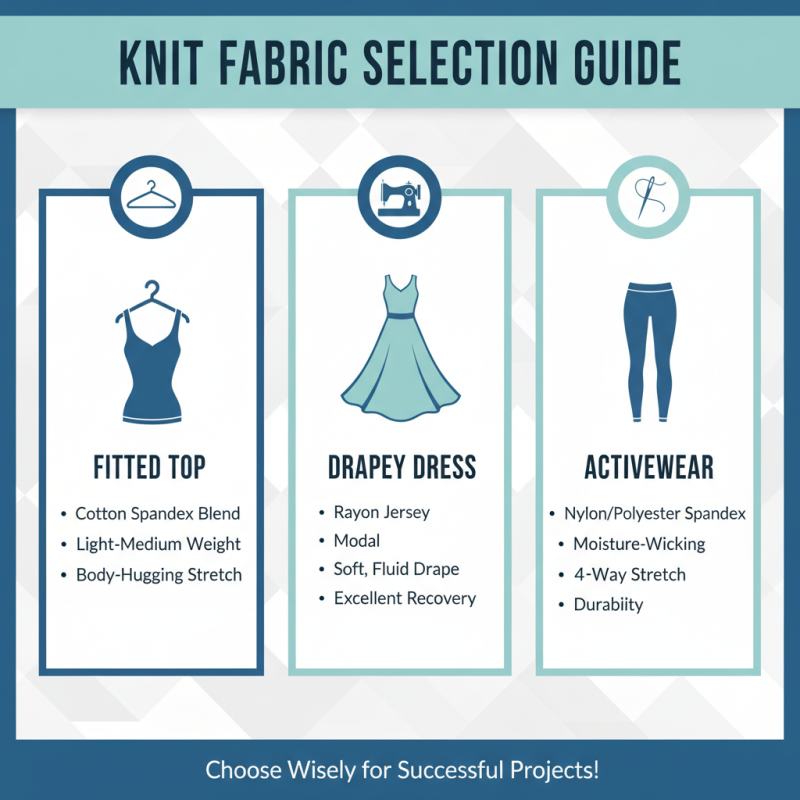
Selecting the right knit fabric is crucial for successful sewing projects. Different techniques require distinct fabric types. For example, if you are making a fitted top, a cotton spandex blend provides just enough stretch. It hugs the body while maintaining comfort. Light to medium weight knits often perform best for this application.
On the other hand, if you are crafting relaxed dresses or loungewear, opt for a lightweight jersey. This fabric flows beautifully and is breathable. Consider the drape; it impacts how your garment will look and feel. Some knits, like ribbing, have unique textures that can add interest.
Always remember that not all knits behave the same way. Some may stretch out after washing, requiring you to adjust your patterns. Try swatching before diving into a full project. It's a small step but can save time. Pay attention to your sewing machine settings, too, as knit fabrics often need special treatment.