How to Choose the Best Lycra Fabric for Your Needs?
Choosing the right Lycra fabric can be challenging. Its versatility makes it popular across various industries, including fashion and sportswear. According to a report by Textile World, the global Lycra fabric market is expected to grow by 6% annually. This growth highlights the importance of selecting the appropriate type of Lycra for specific needs.
Expert in textile innovation, Dr. Emma Thomas, emphasizes the need for careful selection. She states, “Understanding the properties of Lycra is crucial to unlocking its potential.” With multiple blends and specifications, the right choice can enhance comfort and performance.
Some may overlook the differences in Lycra composition. Consider weight, stretchability, and recovery when choosing your fabric. Each factor plays a significant role in the final product. Familiarity with these traits can lead to better outcomes. Poor fabric choices can diminish the functionality and style of garments. Therefore, understanding Lycra fabric is essential in the textile industry.
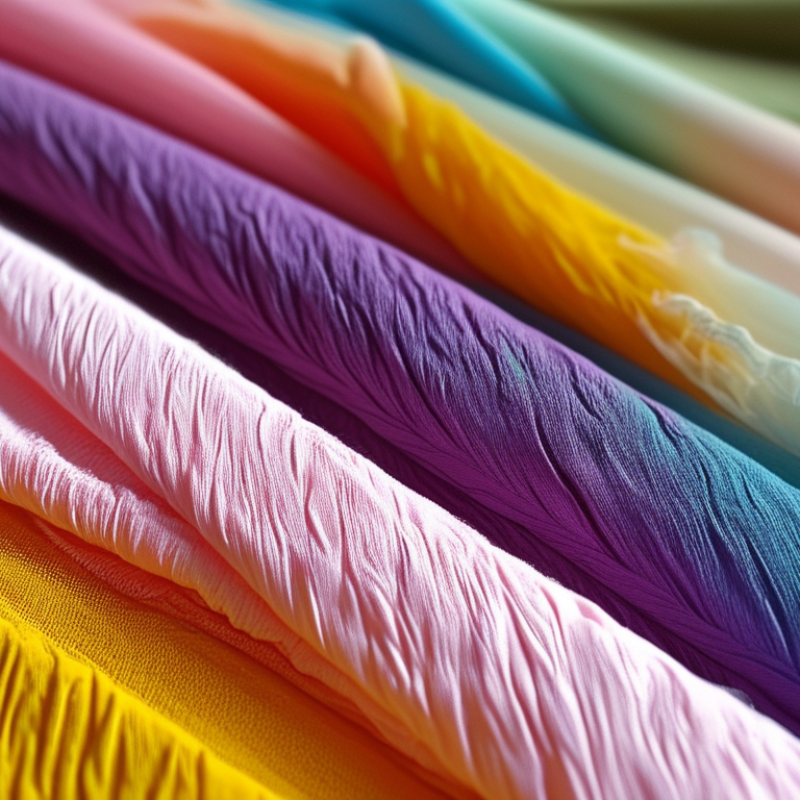
Understanding Lycra Fabric: Key Characteristics and Benefits
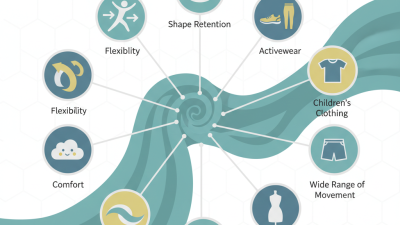
Lycra fabric is known for its unique elasticity. This fabric is a blend of synthetic fibers, ensuring
stretchability and comfort. Its ability to expand and return to shape makes it ideal for
activewear and undergarments. The key characteristics of Lycra include lightweight, breathable material
that allows for seamless movement.
When considering Lycra for personal use, think about the weight and blend. Different weights affect how the fabric drapes
and feels. Heavier Lycra may provide more support, while lighter versions offer enhanced comfort. Pay attention to the fabric’s
recovery properties as well; some might stretch too much, losing their shape over time, which is a common issue.
Lycra’s benefits are vast. It resists wrinkling, making it easy to maintain. However, not all
Lycra is created equal. Some inferior blends may cause irritation. Checking for breathability and moisture-wicking qualities can prevent discomfort
during wear. Enthusiasts often overlook these details while shopping, leading to potential dissatisfaction.
Different Types of Lycra: Choosing the Right Blend for Your Project
When selecting Lycra fabric for your project, understanding its blends is crucial. Blends can significantly alter the fabric's properties. Common blends include cotton-Lycra, polyester-Lycra, and nylon-Lycra. Each has benefits tailored to different needs. A report from Textile World indicates that 60% of activewear manufacturers prefer polyester-Lycra for its moisture-wicking properties and durability.
Cotton-Lycra, on the other hand, combines natural comfort with a bit of stretch. This blend is great for casual wear. According to a study by the International Textile and Apparel Association, this blend is praised for its breathability and soft texture. Yet, it may lack the structural integrity desirable for high-performance gear. Users report stretching concerns over time, a point worth reflecting on.
Choosing the right blend means considering the intended use. Nylon-Lycra is favored in swimwear for its lightweight and quick-drying features. However, some users have noted issues with color fading after multiple washes. Each choice has trade-offs that can’t be overlooked. Your project’s success hinges on these informed decisions.
How to Choose the Best Lycra Fabric for Your Needs
Factors to Consider: Weight, Stretch, and Durability in Lycra Fabrics
When selecting the right Lycra fabric, several critical factors come into play.
Weight is one of the primary considerations.
Heavier fabrics typically offer more support and durability, while lighter weights enhance breathability and comfort.
According to industry data, lighter Lycra fabrics can possess a weight of around 150 grams per square meter.
In comparison, heavier options can exceed 250 grams per square meter.
Choose wisely based on the garment's intended use.
Stretch is another essential element.
Lycra fabrics are known for their elasticity, which can range from 15% to 30% stretchability.
A fabric with higher stretchability can accommodate various body shapes.
However, too much stretch may lead to a loss of shape over time.
Balancing comfort and support is crucial for long-term usage.
Durability is equally important.
Fabrics that endure frequent washings or heavy physical activity should withstand wear and tear.
Research indicates that high-quality Lycra fabrics can maintain their integrity for 2,000 washes or more.
However, not all Lycra fabrics follow this standard.
It’s crucial to inspect the durability ratings and material composition before making a decision.
Being informed can help minimize potential disappointments in performance.
Applications of Lycra: Best Uses for Athletic, Fashion, and Everyday Wear
Lycra fabric, known for its stretch and durability, has become a staple in various industries. In sports, it allows for freedom of movement. A report by the Textile Research Journal notes that athletic wear using Lycra can improve performance by up to 15%. The fabric’s moisture-wicking properties keep athletes dry and comfortable.
In the fashion world, Lycra is popular for its ability to shape and accentuate the body. It offers designers endless possibilities, from fitted dresses to tailored suits. A survey by the Fashion Industry Association revealed that 65% of consumers prefer clothing that includes Lycra for its comfort and fit. However, challenges remain. Some consumers report issues with the longevity of Lycra garments. The fabric can lose elasticity over time if not cared for properly.
For everyday wear, Lycra blend fabrics provide all-day comfort. They resist wrinkles and can stretch without losing shape. Many casual pieces today incorporate Lycra, meeting the demand for stylish yet practical clothing. However, consumers should be aware of the balance between style and functionality. Finding the right fabric blend can be crucial for ensuring the garment lasts and meets expectations.
Care Instructions: How to Maintain the Quality of Lycra Fabric
Maintaining the quality of Lycra fabric is essential for its longevity and performance. Proper care can prevent wear and tear, allowing you to enjoy its benefits for years. Washing your Lycra garments in cold water is a great start. Hot water can damage elasticity. Use a gentle detergent to keep the fibers intact.
It's important to avoid bleach or fabric softeners. These chemicals can break down the fabric, reducing its lifespan. Instead, consider air-drying your Lycra pieces. This method preserves their shape and elasticity. If you must use a dryer, choose the lowest heat setting.
Tips to remember: Always check care labels for specific instructions. Store Lycra items away from direct sunlight to prevent fading. Lastly, be cautious with heavy backpacks or rough surfaces that may cause snags. Taking these steps will help keep your Lycra fabric looking fresh and vibrant.