How to Choose the Best Stretch Mesh Fabric for Your Needs?
Choosing the right Stretch Mesh Fabric can greatly influence your project's outcome. This versatile material is used in various applications, from clothing to upholstery. It's essential to understand the unique characteristics of Stretch Mesh Fabric to make an informed decision.
Consider factors such as breathability, elasticity, and durability. Different fabrics offer various levels of these properties. Some might stretch too much, while others may not meet your support needs. Explore your specific use case to narrow down your options.
Seek professional advice if you're unsure, as choosing the wrong material can lead to frustration. A suitable Stretch Mesh Fabric can enhance performance and comfort, while the wrong choice may hinder it. Always test a sample before committing to a large purchase.
Understanding Stretch Mesh Fabric: Types and Properties
Stretch mesh fabric is a versatile material known for its flexibility and breathability. It comes in various types, each with unique properties. When choosing the best fabric, consider the specific application. Different projects require different types of mesh, such as athletic wear, upholstery, or safety gear.
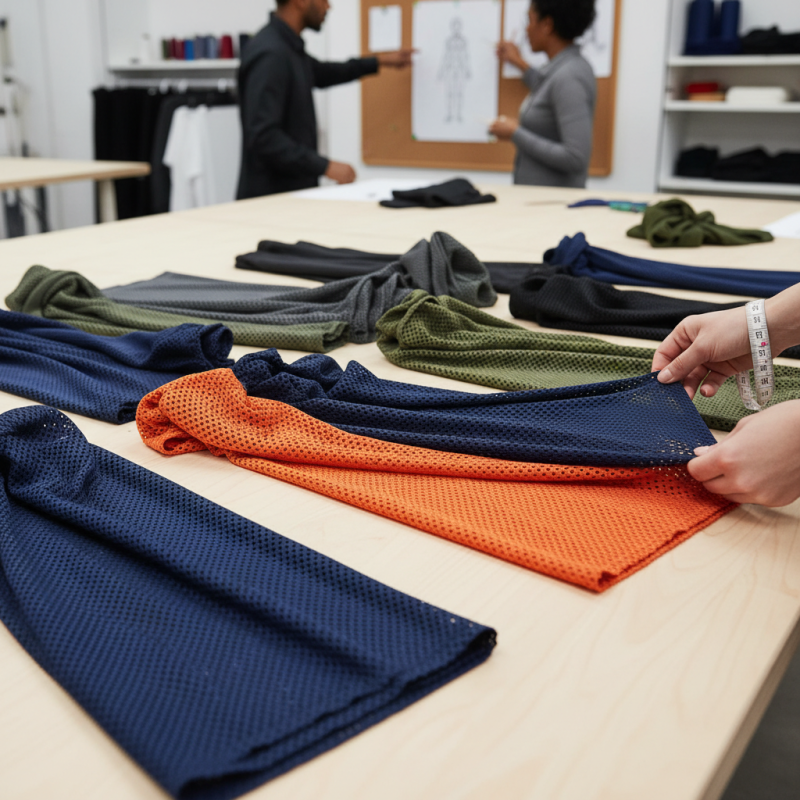
First, think about the stretch factor. Some mesh fabrics offer 2-way stretch, while others provide 4-way stretch. The latter is more suitable for activewear, as it allows for greater freedom of movement. Next, consider the weight of the fabric. Lightweight options are ideal for garments, while heavier varieties may be better for upholstery projects.
Tips: Always test the fabric before making a large purchase. Get samples and examine how they stretch and recover. Pay attention to the breathability of the fabric, especially for clothing. Sometimes, a fabric may feel perfect but lacks airflow, which can be uncomfortable over time.
It’s essential to reflect on the environment where the fabric will be used. Will it be exposed to harsh conditions? Some mesh fabrics may degrade faster under UV light or moisture. Take your time to research these properties, ensuring the fabric meets your needs for durability and comfort.
Comparison of Stretch Mesh Fabric Properties
Assessing the Stretch and Recovery of Mesh Fabrics
When choosing stretch mesh fabric, assessing its stretch and recovery is crucial.
Stretch refers to how much the fabric can expand when pulled. Recovery, on the other hand, is its ability to return to its original shape after being stretched.
These two factors greatly influence the fabric's durability and performance.
Tips: Test the fabric's stretch by gently pulling it in different directions.
Observe how quickly it returns to its original form. A fabric that recovers quickly generally indicates better quality.
Consider using a fabric sample in your design projects to ensure it meets your specific needs.
Different applications may require different stretch capabilities. For activewear, a
high-stretch mesh with excellent recovery is ideal. Conversely, for decorative purposes,
a lower stretch fabric might suffice. Reflect on how the fabric behaves under stress to determine suitability.
Don’t hesitate to explore various options, as personal preference plays a significant role in instilling confidence in your final product.
Evaluating Breathability and Comfort in Stretch Mesh Options
When selecting stretch mesh fabric, breathability and comfort are essential considerations.
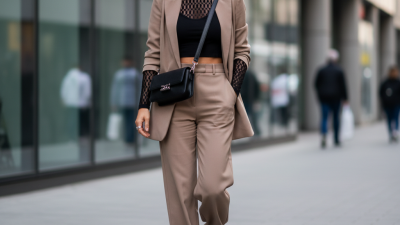
Breathability refers to how well air circulates through the fabric. Good airflow prevents overheating and moisture buildup. Fabrics like polyester and nylon offer lightweight options, but their breathability varies.
Comfort is subjective. Some might prefer a softer feel against their skin. Others may prioritize stretch for activities like sports. To find the right balance, experiment with different blends. Consider how the fabric feels during movement. Does it irritate or chafe? Pay attention to how it interacts with sweat, too.
Testing the fabric in real situations is crucial. Wear the stretch mesh while exercising or lounging. Document any discomfort or overheating. These reflections can guide your final decision. Each individual’s needs differ, so prioritize what matters most to you.
Considering Durability and Maintenance of Stretch Mesh Fabrics
When choosing stretch mesh fabric, durability and maintenance are critical considerations. According to industry reports, high-quality stretch mesh fabrics can withstand more than 10,000 cycles of abrasion. This durability makes them suitable for various applications, including activewear and upholstery. However, even the most durable fabrics need appropriate care. Regular washing can extend their longevity.
Maintenance of stretch mesh involves simple steps. Use cold water and mild detergent to wash the fabric. Avoid bleach, as it can weaken fibers over time. Air drying is recommended. Some reports indicate that improper drying can lead to shrinkage or distortion. Despite these guidelines, many consumers sometimes neglect proper maintenance, risking the lifespan of their mesh fabrics.
Moreover, not all stretch mesh materials are alike. Some may exhibit fading after repeated washes, while others maintain their color integrity. A fabric with a stronger yarn structure is less likely to lose shape. Understanding these factors is vital for making informed decisions. Regular inspections for wear and tear can prevent unexpected replacements. Balancing durability with ease of maintenance leads to better choices in the long run.
How to Choose the Best Stretch Mesh Fabric for Your Needs? - Considering Durability and Maintenance of Stretch Mesh Fabrics
| Fabric Type |
Durability Rating (1-5) |
Maintenance Level (Low, Medium, High) |
Common Uses |
| Polyester Mesh |
4 |
Low |
Sportswear, Activewear |
| Nylon Mesh |
5 |
Medium |
Outdoor Gear, Bags |
| Cotton Blend Mesh |
3 |
Medium |
Casual Wear, Fashion |
| Spandex Mesh |
4 |
Low |
Dance Wear, Swimwear |
| Polyester/Cotton Mesh |
3 |
High |
Workwear, Uniforms |
Identifying Suitable Applications for Different Stretch Mesh Materials
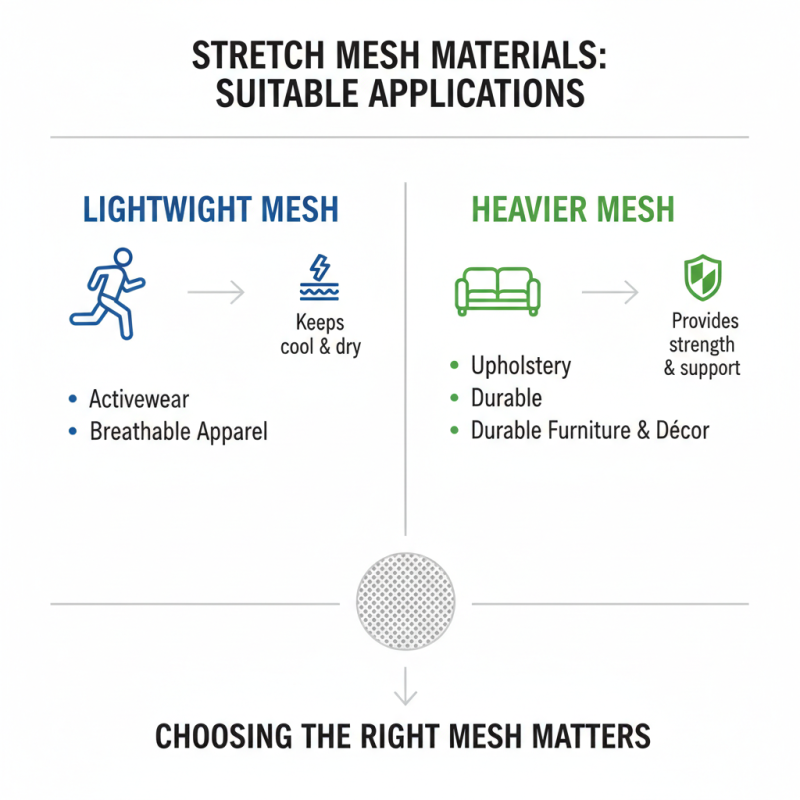
When choosing stretch mesh fabric, understanding its applications is key. Different materials serve various purposes across several industries. For example, a lightweight mesh is ideal for activewear. It allows breathability, keeping athletes cool during practice. On the other hand, a heavier mesh works well for upholstery. It provides durability for furniture and décor.
Consider the environment where the fabric will be used. For outdoor applications, UV resistance is vital. Meanwhile, moisture-wicking properties are essential for fabrics intended for sports or swimwear. Look for materials that can endure sweat and water without losing integrity. Pay attention to how the fabric feels, as comfort is crucial for wearable items.
However, not all mesh fabrics are equal. Some may appear durable but lack stretch. This can lead to disappointment down the line. Ensure the stretch range meets your needs. If the fabric doesn’t expand as expected, it might not serve its intended purpose. Research and testing are necessary steps for informed decisions. Always reflect on past choices to avoid repeating mistakes.