Top Tips for Choosing the Best Lining Fabric for Your Projects?
Choosing the right lining fabric is crucial for any project, whether it’s clothing, upholstery, or crafts. Renowned textile expert Dr. Emily Carter emphasizes, "The right lining fabric can elevate your design significantly." This insight highlights the importance of thoughtful selection in achieving the desired outcome.
Lining fabrics play a vital role. They affect the garment's drape, comfort, and durability. Consider the weight, texture, and breathability of the fabric. Sometimes, lighter fabrics lead to unexpected results. They may not provide the necessary structure for your main fabric. Reflecting on this, some might overlook the significance of fabric pairing.
Choosing lining fabric can also involve personal preference. A vibrant color or unique pattern can add surprise elements. Yet, it can clash with the primary fabric if not chosen wisely. Trial and error is part of the design process. Designers should embrace the imperfection and adaptability of their choices to refine their skills.
Understanding the Purpose of Lining Fabric in Sewing Projects
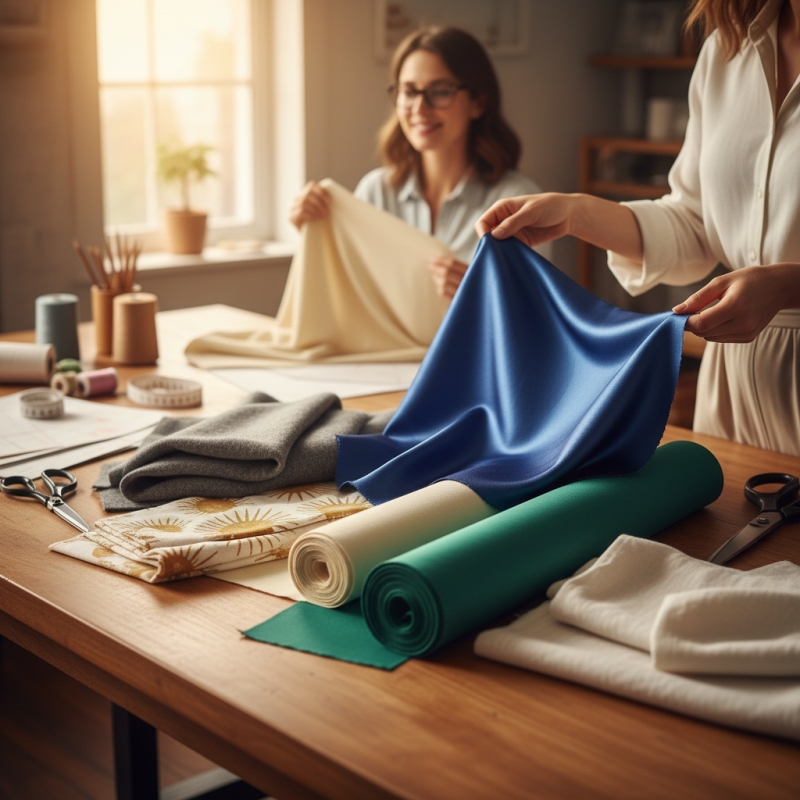
When it comes to sewing projects, the purpose of lining fabric is multifaceted. Lining provides a clean finish, enhancing the garment's interior. It also serves to protect the main fabric. This is crucial when using delicate or expensive materials. According to industry reports, nearly 40% of sewing enthusiasts prioritize lining for these reasons.
Choosing the right lining can affect the overall drape and feel of a project. Lightweight linings can add a luxurious touch. On the other hand, suitable linings can also improve durability. Interestingly, around 30% of makers overlook this aspect, leading to unsatisfactory results. Paying attention to the lining ensures the garment remains functional and visually appealing.
The fabric choice for lining can also impact breathability and comfort. Natural fibers often outperform synthetics in these areas. However, this is not universally applicable. Each project has unique requirements. Some fabrics may require a compromise that balances function with style. Remember that even small decisions about lining can elevate a project or lead it astray.
Types of Lining Fabrics and Their Characteristics
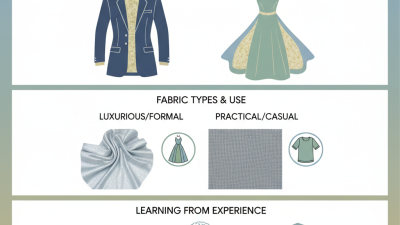
When choosing lining fabrics, understanding types and their characteristics is crucial. Common materials include polyester, silk, and cotton.
Polyester is durable and often wrinkle-resistant, while silk offers luxury with a soft touch. Cotton is breathable, providing comfort for everyday wear.
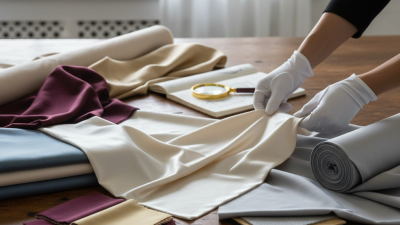
Tip: Always test fabric samples. This helps gauge how they drape and feel. Don't forget to consider the garment's purpose. For heavy coats, a sturdier fabric like twill may be best.
Keep in mind that some linings may stretch or fray over time, so ensure to select a quality option.
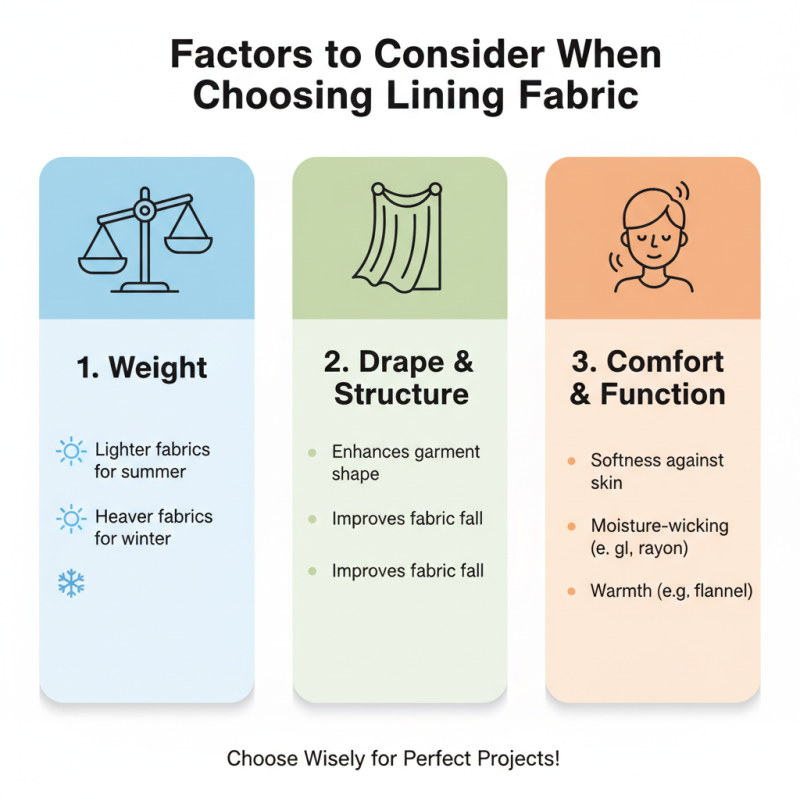
Factors to Consider When Choosing Lining Fabric
Choosing the right lining fabric for your projects is crucial. It affects the garment's structure and comfort. Several factors should guide your decision-making process. One key aspect is the fabric's weight. According to industry reports, the right weight can enhance drape and ease of sewing. Lighter fabrics work well for summer garments, while heavier options are suitable for winter wear.
Another important factor is breathability. A study by textile experts indicates that breathable fabrics can improve comfort in clothing. Natural fibers like cotton and linen often offer better breathability compared to synthetics. However, synthetics can be more durable. It's essential to weigh these characteristics against your project requirements.
Color and texture are also significant. They influence the visual appeal of the finished product. Consider how colors can complement or clash with other materials used. Texture can affect the garment’s feel against the skin, impacting overall satisfaction. Some may prioritize aesthetics over comfort, leading to potential reflections on usability. Always aim for a balance, and remember that even minor details can make a big difference in fabric choice.
Popular Lining Fabric Options for Different Projects
Choosing the right lining fabric can significantly impact the outcome of your sewing projects. Common materials include silk, polyester, and cotton. Each serves different purposes and has unique benefits. According to industry reports, silk is favored for its luxurious feel but can be costly. In contrast, polyester is durable and affordable, making it a popular choice among hobbyists and professionals alike.
Cotton lining is versatile and breathable, ideal for seasonal garments. It absorbs moisture well and adds comfort to clothing. A 2022 textile study highlighted that cotton linings improve wearability in apparel by 30%. Interestingly, the wrong fabric choice can lead to issues like wrinkling or peeling. Designers often overlook lining selection and face challenges later in production.
As you explore various lining options, consider your project's specific requirements. A lightweight fabric might be perfect for summer wears, while heavier options provide warmth in winter garments. It's essential to balance aesthetics with functionality. A lining can change the drape and fit of your garment dramatically. Thus, reflective choices can enhance the overall quality of your work significantly.
Top Tips for Choosing the Best Lining Fabric for Your Projects
Tips for Maintaining and Caring for Lining Fabrics
Maintaining and caring for lining fabrics is vital to increase their longevity and performance. Regular cleaning is essential. Use a gentle detergent and cold water to wash silk or other delicate linings. Some fabrics may require dry cleaning, so always check fabric care labels. Ignoring these instructions can lead to fading or damage.
Storing lining fabrics properly is equally crucial. Avoid sunlight, as it can cause colors to fade. A cool, dry place works best. Rolling fabrics instead of folding can prevent creases and wrinkles. Be cautious with hanging; heavy garments may stretch the lining over time.
Inspecting your lining regularly helps identify potential issues early. Look for fraying seams or discoloration. Addressing these problems promptly can prevent further damage. Learning from past experiences—whether it’s a fabric that shrunk or one that didn’t hold up as expected—can guide your future choices in materials. Each fabric has its quirks; understanding them will nurture your projects effectively.
Top Tips for Choosing the Best Lining Fabric for Your Projects
| Fabric Type |
Best Uses |
Care Instructions |
Durability |
| Cotton |
Casual clothing, skirts, dresses |
Machine wash warm, tumble dry |
Moderate |
| Silk |
Formal wear, linings for jackets |
Dry clean recommended |
Low |
| Polyester |
Raincoats, activewear |
Machine wash cold, tumble dry |
High |
| Viscose |
Dresses, blouses |
Dry clean or hand wash |
Moderate |
| Nylon |
Linings, outdoor gear |
Machine wash cold, air dry |
Very high |