How to Choose the Right Mesh in Clothing for Your Needs?
Choosing the right mesh in clothing can greatly impact comfort and performance. According to industry expert Dr. Emily Carter, "The right mesh can enhance breathability and movement." As consumers, we often overlook these finer details, focusing instead on styles and colors. However, understanding mesh types is essential for making an informed choice.
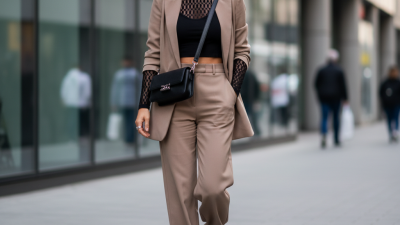
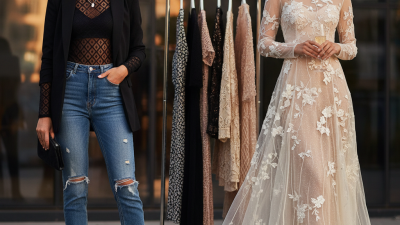
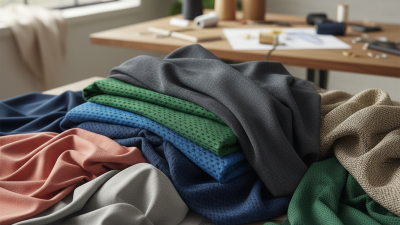
Mesh in clothing serves different purposes, be it for sportswear or casual outfits. Each type of mesh varies in weight, durability, and texture, which affects overall comfort. For example, athletic mesh is designed to wick away moisture, enhancing performance during workouts. On the other hand, fashion mesh may prioritize aesthetics over functionality.
As we explore mesh in clothing, we should consider personal needs. Different activities demand different meshes. Trying on various options can sometimes lead to a better understanding of what works best. Reflecting on these details will empower consumers to choose wisely, ensuring that comfort and style go hand in hand.
Understanding the Different Types of Mesh Fabrics Available
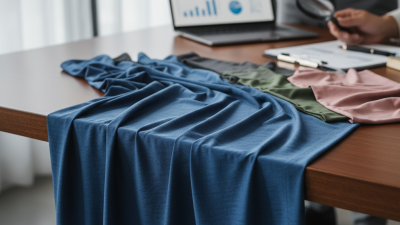
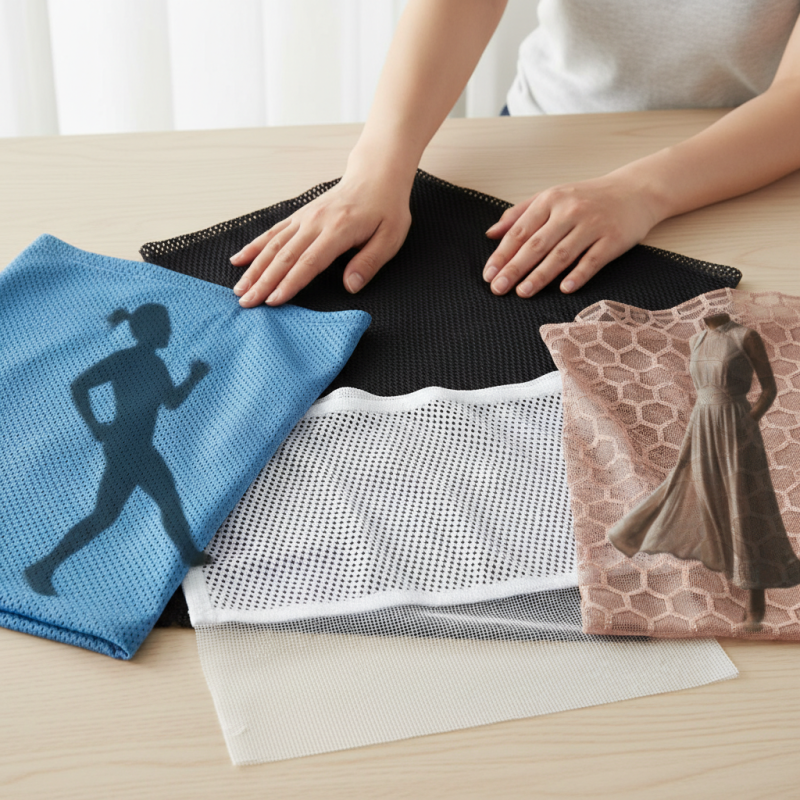
When selecting mesh fabrics, it’s essential to understand the options available. Different types of mesh can influence breathability, durability, and style. Polyester mesh is common, often used in athletic wear for its moisture-wicking properties. A report from the Textile Research Journal highlights that polyester can enhance comfort in active clothing due to its lightweight nature.
Nylon mesh is another popular choice. It boasts more durability than polyester, making it suitable for outdoor gear. According to a study by the American Textile Manufacturers Institute, nylon provides excellent stretch and recovery. This is crucial for performance clothing that demands flexibility.
Cotton mesh, valued for its softness, is typically used in more casual outfits. However, it lacks some moisture-wicking capabilities of synthetic alternatives. This highlights an important consideration: the choice of material can directly impact the garment's functionality. Reflecting on personal needs is vital here—what activities will you engage in while wearing this mesh? Understanding these differences will lead to clothing better suited for your lifestyle.
Evaluating Mesh Breathability for Comfort and Performance
When selecting the right mesh for your clothing, breathability is crucial for both comfort and performance. According to a report by the Textile Research Journal, breathable fabrics can reduce heat retention by up to 30%, significantly enhancing thermal comfort during physical activities. This is particularly important for athletes and outdoor enthusiasts who often push their limits. The right mesh allows sweat to evaporate, providing a cooling effect, which can improve overall performance.
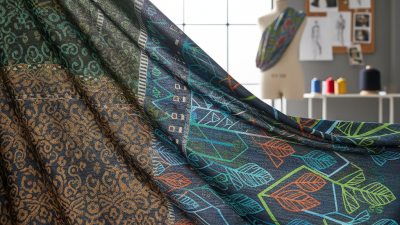
It's important to consider the fabric's construction. Mesh with larger openings may offer better airflow but can compromise durability. A study from the Journal of Sports Sciences highlighted that a well-balanced mesh design can effectively wick moisture while maintaining strength. Choosing a mesh with a weight of around 150-200 GSM often strikes a balance between durability and comfort, catering to various activities, from intense workouts to casual wear. However, testing various options is essential, as what works for one person may not work for another.
One common mistake is assuming all mesh fabrics are alike. Variations in material and weave can lead to dramatically different performance outcomes. It’s worth exploring different textures and densities, as personal preferences also play a critical role. Remember that ideal breathability does not solely depend on the mesh itself but also on the layering and fit of the garment. Evaluate these aspects carefully for optimal performance tailored to your needs.
How to Choose the Right Mesh in Clothing for Your Needs?
| Mesh Type |
Breathability Rating |
Comfort Level |
Best Use Case |
| Open Mesh |
High |
Very Comfortable |
Sportswear & Activewear |
| Tight Mesh |
Moderate |
Comfortable |
Casual Wear & Layering |
| Performance Mesh |
Very High |
Extremely Comfortable |
Athletic & High-Intensity Activities |
| Safety Mesh |
Moderate |
Comfortable |
Workwear & Outdoor Activities |
| Mesh with UV Protection |
High |
Comfortable |
Outdoor & Sun Protection |
Considering Stretch and Flexibility in Mesh Clothing
When choosing mesh clothing, consider how much stretch and flexibility you need. Different activities require varying levels of movement. For yoga, you might prefer a fabric that offers significant elasticity. This allows for deeper stretches without discomfort. If you're into running or cycling, look for breathable mesh materials that keep you cool while providing adequate support.
Tips: Check the fabric composition. Look for blends that include spandex or elastane for added stretch. Test the material's flexibility by stretching it in-store. A good mesh should return to its original shape without losing elasticity.
In some cases, you might find mesh that looks great but lacks functionality. It's essential to balance aesthetics with practicality. Consider your intended use before making a purchase. Reflect on how the mesh performs during long periods of wear. If it feels restrictive or sacrifices comfort for style, it's worth reconsidering.
Assessing Durability and Maintenance Requirements of Mesh
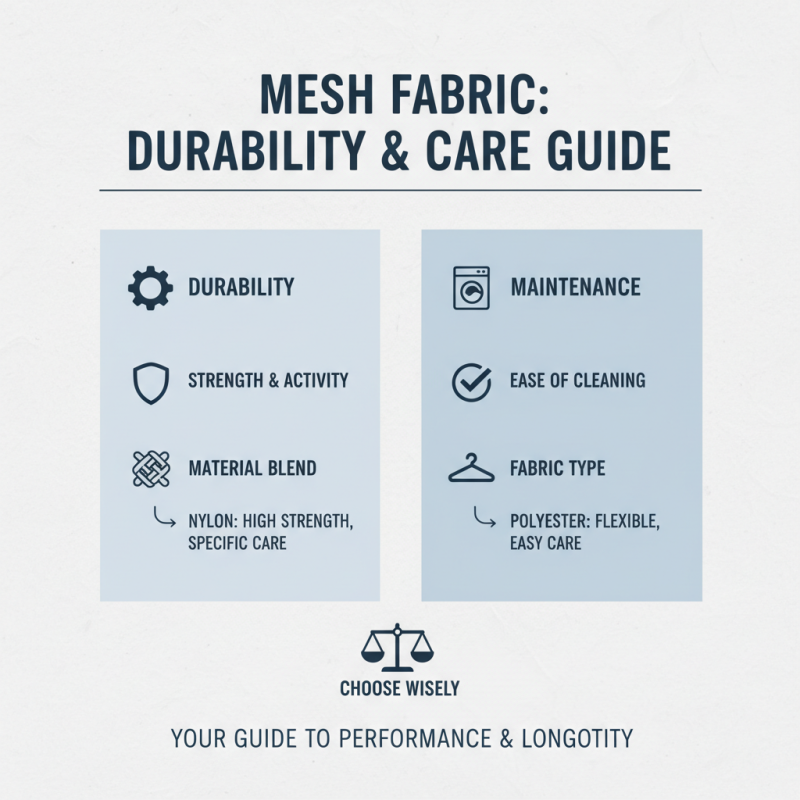
When choosing the right mesh for clothing, durability and maintenance are essential factors. Mesh fabrics can vary significantly in strength and ease of care. Some might tear easily, while others can withstand rigorous activities. It’s crucial to assess the blend of materials used in the mesh. Nylon tends to be more durable but may require specific care to avoid damage. Polyester offers flexibility and is easier to maintain.
Maintenance will also depend on the mesh’s weave. A tighter weave is often more resilient but might trap more dirt and require frequent washing. On the other hand, an open weave may breathe better but can lose its shape over time. Consider the intended use: will the garment be for sport, fashion, or functional wear? Each application can demand different attributes in durability and ease of upkeep.
Reflecting on your needs can help. If you enjoy outdoor activities, focus on durable options. If you prefer aesthetic appeal, think about how often you’ll clean the mesh. Trying out different types can help you understand which suits your lifestyle. This exploration can lead to unexpected choices and valuable insights.
Identifying Mesh Options for Specific Activities and Environments
When it comes to selecting the right mesh for clothing, understanding specific activities is crucial. Different activities demand different mesh types. For running, lightweight and breathable mesh is essential. It helps wick moisture away and keeps you cool. Conversely, for cycling, a more durable mesh can provide added support and reduce wind resistance.
For outdoor adventures, consider the environment. A tightly woven mesh is ideal for hiking, protecting against bugs while ensuring airflow. In contrast, if you’re at the beach, a loose mesh allows sand to escape while providing comfort. Choose wisely based on where you’ll be.
Tips: Always check the fabric's UV protection for outdoor activities. Look for mesh with good stretchability to ensure ease of movement. Adjust your choice based on weather conditions; thicker mesh is better for cold climates but may be too hot for summer use. Reflect on how different activities affect your comfort and performance; sometimes, less breathable options might seem better initially, but they could lead to discomfort with prolonged use.