2026 How to Create Sustainable Fashion Using Recycled Fabric?
The fashion industry is experiencing a transformation. Sustainable practices have gained traction, particularly the use of Recycled Fabric. According to the Global Fashion Agenda, using recycled materials can cut fashion greenhouse gas emissions by up to 30%. Yet, only 1% of materials used in fashion are actually recycled. This statistic reveals an ongoing challenge.
Recycled Fabric holds immense potential for creating eco-friendly clothing. Brands incorporating this material can appeal to an increasingly conscious consumer base. However, achieving true sustainability requires more than just using recycled textiles. Issues such as the quality of recycled fabrics and supply chain transparency must be addressed. Many consumers still perceive recycled options as inferior.
The road to achieving real sustainability in fashion is complex. While the use of Recycled Fabric is a step forward, obstacles exist. Brands need to invest in education and innovation. A fragmented industry often leads to confusion and inefficiencies. Yet, the demand for sustainable fashion is growing, offering hope for a better future.

Understanding Sustainable Fashion and Its Importance
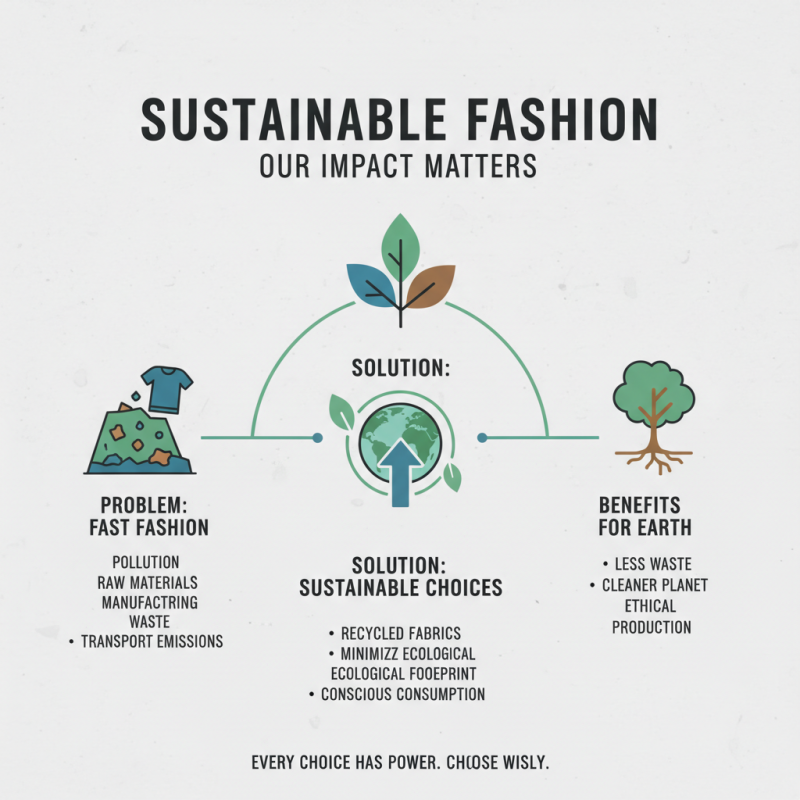
Sustainable fashion is crucial in today’s world. It addresses the pressing environmental issues caused by the fast fashion industry. Understanding its importance can inspire more conscious choices. Every piece of clothing has an impact. The raw materials, manufacturing, and transport all contribute to pollution. By focusing on recycled fabrics, we can minimize our ecological footprint.
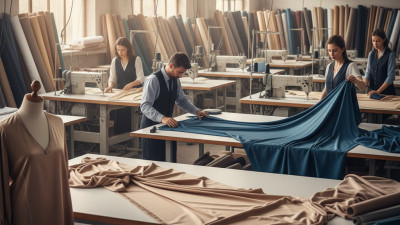
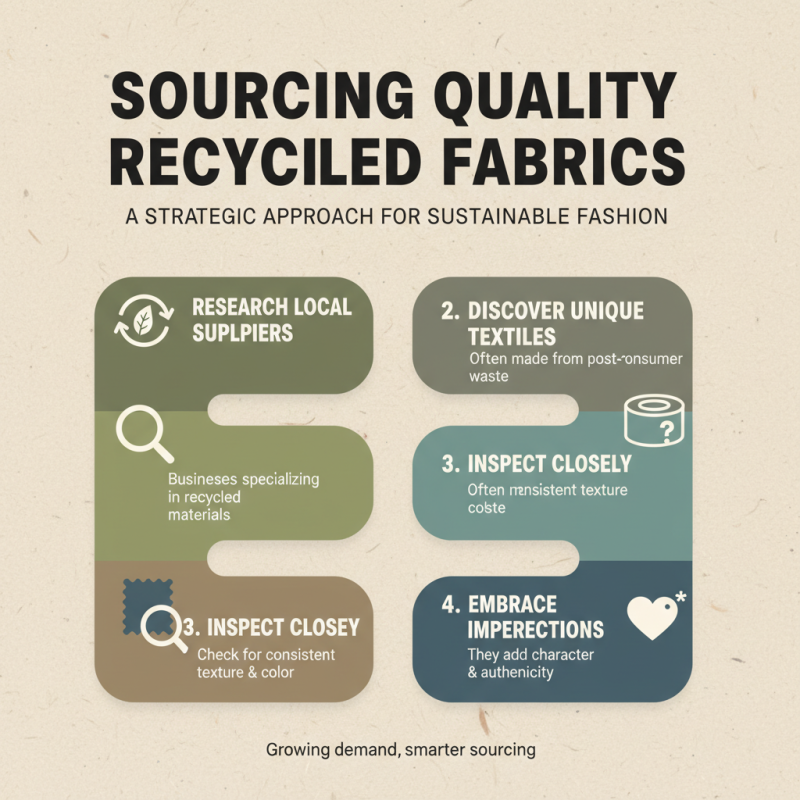
Tips for creating sustainable fashion include sourcing materials wisely. Look for local recycling programs. They can provide fabric scraps that are often discarded. Another great option is to collaborate with artisans. This not only helps in reducing waste but also supports local economies. Consider the entire lifecycle of the garment. How long can it last? Can it be repaired or upcycled?
It’s essential to embrace imperfection. Designs may not always be flawless. Sometimes, imperfections can tell a story. They add character to the garment. Reflecting on these aspects can lead to a more thoughtful approach to fashion. Aim to create pieces that encourage people to value quality over quantity. This shift in mindset is vital.
The Role of Recycled Fabric in Sustainable Fashion
Recycled fabric plays a crucial role in sustainable fashion. The current fashion industry faces immense challenges. Waste and pollution are severe problems. Using recycled materials can help reduce this impact.
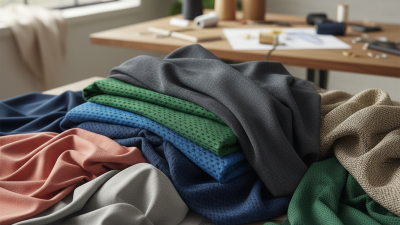
Creating garments from recycled fabric involves innovative thinking. Designers can transform old clothing into stylish pieces. This process often requires creativity and resourcefulness. However, not all recycled fabrics are created equal. Some may lack durability or appeal. Finding the right materials is essential for success.
Consumers also play a part in this movement. Awareness of sustainable practices is growing. More people seek eco-friendly options in their wardrobes. Still, there is a need for more education on how to choose recycled fashion. Labels can be confusing. Transparency is crucial in understanding the environmental impact. The journey toward fully sustainable fashion is ongoing and filled with challenges.
Techniques for Designing and Creating Fashion from Recycled Materials
Creating sustainable fashion using recycled materials is both fulfilling and challenging. Designers often face obstacles when sourcing high-quality fabrics. Recycled materials can vary greatly in texture and durability. This can impact the overall design and functionality of the garment. Learning to work with these fabrics takes patience and creativity.
Techniques like patchwork and upcycling can breathe new life into discarded textiles. Combining different pieces allows for unique designs. However, balancing aesthetics and sustainability is crucial. It often requires trial and error. Even the most creative designs may not hold up under wear and tear. Designers must reflect on their choices to improve future projects.
Dyeing recycled materials is another important technique. Natural dyes can enhance colors without harming the environment. Yet, color consistency can be tricky. Some colors may fade unpredictably over time. Embracing these imperfections can lead to original designs. Fashion should tell a story, and each flaw carries a history. These challenges remind us of the beauty in sustainability.
2026 How to Create Sustainable Fashion Using Recycled Fabric?
| Technique |
Description |
Benefits |
Materials Used |
| Upcycling |
Transforming old clothes into new designs. |
Reduces waste and promotes creativity. |
Used clothing, textiles. |
| Patchwork |
Sewing together various fabric scraps. |
Creates unique patterns, minimizes waste. |
Fabric scraps, old garments. |
| Natural Dyeing |
Using plant-based materials to dye fabrics. |
Eco-friendly colors, non-toxic. |
Plants, fruits, spices. |
| Reweaving |
Repairing damaged textiles by weaving them anew. |
Extends life of garments, reduces landfill. |
Old fabrics, yarns. |
| Fabric Manipulation |
Techniques like pleating, gathering to enhance fabrics. |
Adds texture, reduces wastage. |
Recycled textiles, old garments. |
Marketing Sustainable Fashion: Reaching Eco-Conscious Consumers
Marketing sustainable fashion is a growing challenge. Eco-conscious consumers demand transparency and authenticity. In fact, a recent report states that 66% of consumers are willing to pay more for sustainable products. Yet, the fashion industry often struggles to communicate its sustainability efforts effectively.
Visual storytelling can be powerful. Brands should use compelling imagery to showcase the lifecycle of their recycled fabrics. Educating customers about how recycled materials reduce waste is essential. However, many brands fail to provide this information clearly. They miss opportunities to engage and inform their audiences.
Social media platforms are vital for reaching eco-minded consumers. Approximately 80% of Gen Z shoppers prefer brands that are socially responsible. Brands can leverage this by sharing behind-the-scenes content that emphasizes their commitment to sustainability. Still, the industry often falls short, focusing more on aesthetics than on genuine advocacy.