10 Essential Tips for Choosing the Right Garments Fabric
Choosing the right garments fabric is crucial for comfort and style. Fabrics impact how clothing feels, looks, and lasts. Therefore, understanding their qualities can guide smart purchases.
Different fabrics serve various purposes. Cotton is breathable and soft, while silk adds luxury. However, some fabrics may not be suitable for all occasions. Consider wearability and maintenance before making a choice. Not all fabrics will perform as expected. Wrinkles and fading can be tedious to manage.
When shopping, pay attention to texture, weight, and care instructions. Touch the fabric to gauge its quality. Additionally, reflect on how the fabric aligns with your lifestyle. Opting for versatile options can reduce the need for extensive wardrobes. Balancing fashion with functionality is important for a well-rounded clothing collection.
Understanding Different Types of Fabrics and Their Properties
When selecting the right fabric, understanding the properties of different types is crucial. Cotton, for instance, is breathable and soft. It’s great for everyday wear. However, it can shrink in the wash. According to a survey from the Textile Association, nearly 30% of consumers reported issues with cotton garments. Wool is another popular choice. It’s warm and durable but can be itchy for some. Many people prefer blends that combine the best of both worlds.
Tip: Always check the fabric care label. This can prevent shrinkage or damage over time. Polyester is known for its resilience. It resists wrinkles and fading, making it suitable for travel. Yet, it can trap body heat, leading to discomfort in warm weather. A recent report by the Fabric Institute highlighted that around 40% of people find synthetic fabrics less comfortable.
Silk, while luxurious, requires special care and can be expensive. Many wish for that high-end feel but overlook the maintenance it demands. Natural fabrics like linen are great for heat but wrinkle easily. Do research on the fabric properties before making a choice. Every fabric tells a story, reflecting its strengths and weaknesses. Understanding them can enhance your wardrobe choices significantly.
Evaluating Fabric Durability and Maintenance Requirements
When choosing garment fabric, durability is crucial. Fabrics like
cotton, polyester,
and wool each have different lifespans. According to a report by the Textile Research Institute, cotton is known
for its softness, but it can wear out faster. Polyester is often praised for its strength and resistance to abrasion.
It can last up to 50% longer than cotton, making it a popular choice for everyday wear.
Maintenance requirements also play a significant role. Some fabrics require special washing conditions,
while others can withstand regular machine washing. For instance, linen
is elegant but often needs delicate care. A study by the Fabric Care Association indicates that about
30% of consumers are unaware of proper fabric maintenance. This misunderstanding can lead to
premature fabric wear. Keeping garments in good shape requires attention to labels
and care instructions.
Consider the environmental impact too. The production of durable fabrics
often involves intensive processes. Reports show that recycling can extend
fabric life but isn’t common practice. Many consumers are still unaware of how to responsibly care for their garments.
Investing in quality fabrics may require a shift in mindset, focusing on long-term benefits instead of immediate value.
Assessing Comfort and Breathability in Fabric Choices
When choosing fabrics, comfort and breathability are key factors. Breathable fabrics allow air circulation. This helps regulate body temperature. Cotton is a classic choice. It feels soft against the skin and absorbs moisture. However, cotton may not be the best for humid climates. It can cling when wet.
Consider linen for a light and airy option. Linen wrinkles easily, though. That might not appeal to everyone. Still, it offers excellent breathability. Wearing a linen shirt on a hot day can feel refreshing. Synthetics, like polyester, may wick moisture. Yet, they can feel hot and clammy.
Don’t overlook textures. A fabric may look fantastic but feel coarse. Softness is essential for comfort. Always touch and feel fabrics before buying. Many people jump to conclusions too quickly. Taking the time to assess feels more rewarding in the long run. Balancing your needs with fabric characteristics can lead to better choices.
10 Essential Tips for Choosing the Right Garments Fabric - Assessing Comfort and Breathability in Fabric Choices
| Fabric Type |
Comfort Rating (1-5) |
Breathability Score (1-10) |
Durability Rating (1-5) |
Best Uses |
| Cotton |
5 |
8 |
4 |
Casual wear, summer garments |
| Linen |
4 |
9 |
3 |
Hot weather clothing, formal wear |
| Polyester |
3 |
6 |
5 |
Athletic wear, outerwear |
| Wool |
4 |
4 |
Cold weather garments, sweaters |
| Silk |
5 |
7 |
3 |
Evening wear, luxury garments |
Considering Fabric Weight and Its Impact on Garment Fit
When selecting fabrics for garments, understanding fabric weight is crucial. Lightweight fabrics tend to drape beautifully. They can create flowy silhouettes. However, they may not provide the necessary structure for fitted designs. If you want a tailored look, consider medium to heavyweight fabrics. These options add durability and definition to your clothing.
Heavyweight fabrics can feel stiff. They might restrict movement. That’s something to ponder. Think about the purpose of the garment. Will you wear it for long hours? If so, comfort is key. A heavy fabric may not be the best choice for all-day wear. Conversely, very lightweight fabrics might not offer enough coverage. Striking a balance between weight and fit can be challenging.
Pay attention to how different fabric weights behave. Light fabrics might cling to the body, emphasizing contours. Heavy fabrics can hide imperfections, but they may require more tailoring. Each option has its pros and cons. Reflect on your preferences. Do you prioritize style over comfort? Only you can decide what works best for you.
Fabric Weight and Its Impact on Garment Fit
Identifying Fiber Content and Its Influence on Style and Functionality
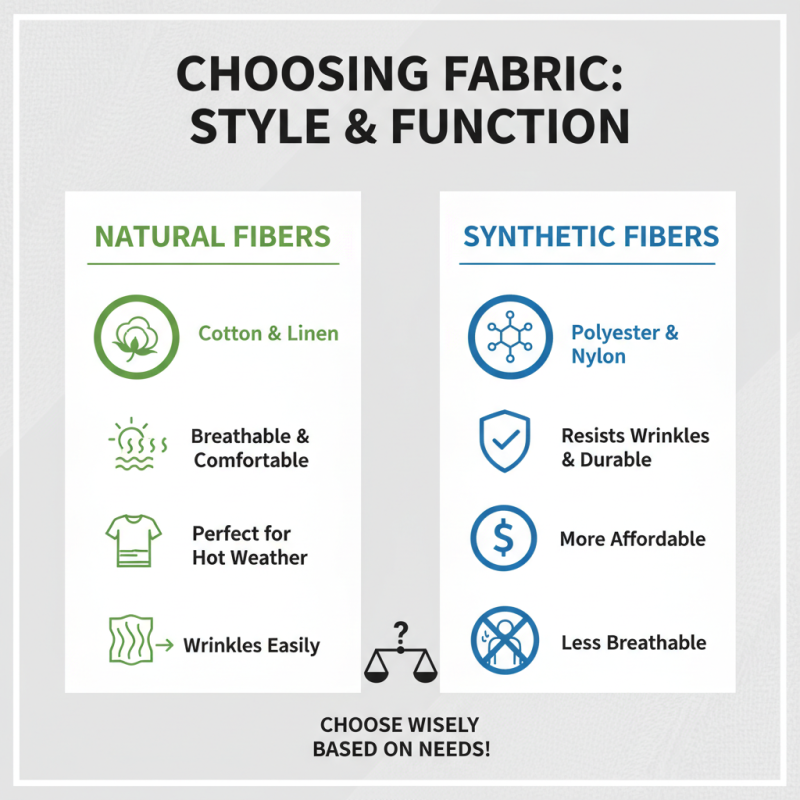
Choosing the right fabric is crucial for both style and functionality. Understanding fiber content can significantly influence how a garment looks and performs. Natural fibers like cotton and linen offer breathability and comfort. They are perfect for hot weather. However, they tend to wrinkle easily. Synthetic fibers like polyester and nylon resist wrinkles. They are durable and often more affordable, but they lack the same comfort level as natural fibers.
Consider the specific use of the garment. For activewear, moisture-wicking fabrics are essential. These fibers help keep sweat away from your skin. On the other hand, if you are looking for something elegant, silk or wool can elevate your style. But these materials may require more care. They need special washing methods. Think about your lifestyle when selecting fabric. Do you have time for dry cleaning? Are you willing to iron?
Material can also affect movement. Stiff fabrics can restrict motion, while stretchy materials allow for greater flexibility. Take note of how the fabric drapes on your body. The right choice can enhance your confidence. It’s not just about appearance; it’s about comfort too. Fabrics can either empower or hinder your daily activities. Reflect on your priorities and choose wisely.