Free Fabric Options for Global Buyers to Explore Now?
As global markets evolve, the demand for innovative textile solutions continues to grow. Buyers are increasingly seeking "Free Fabric" options that can enhance their product offerings while reducing costs. According to a recent report by the Textile Sustainability Alliance, 70% of manufacturers now prioritize sustainable materials in their sourcing strategies. This trend emphasizes the role of free fabric initiatives in promoting eco-friendly practices across the industry.
Leading industry expert Dr. Emily Liu states, "Free Fabric programs can revolutionize how we perceive value in textiles." This insight highlights the significance of accessible fabric options for diverse global buyers. With the rise of digital platforms, sourcing these materials has never been easier. However, challenges remain in quality control and ensuring consistency across suppliers.
Navigating the world of free fabric requires a keen understanding of market dynamics. Companies must weigh the pros and cons of available options carefully. To truly benefit from these resources, stakeholders should remain aware of ongoing shifts in consumer preferences. Engaging with experts will foster an environment of innovation and collaboration, driving the industry toward a sustainable future.
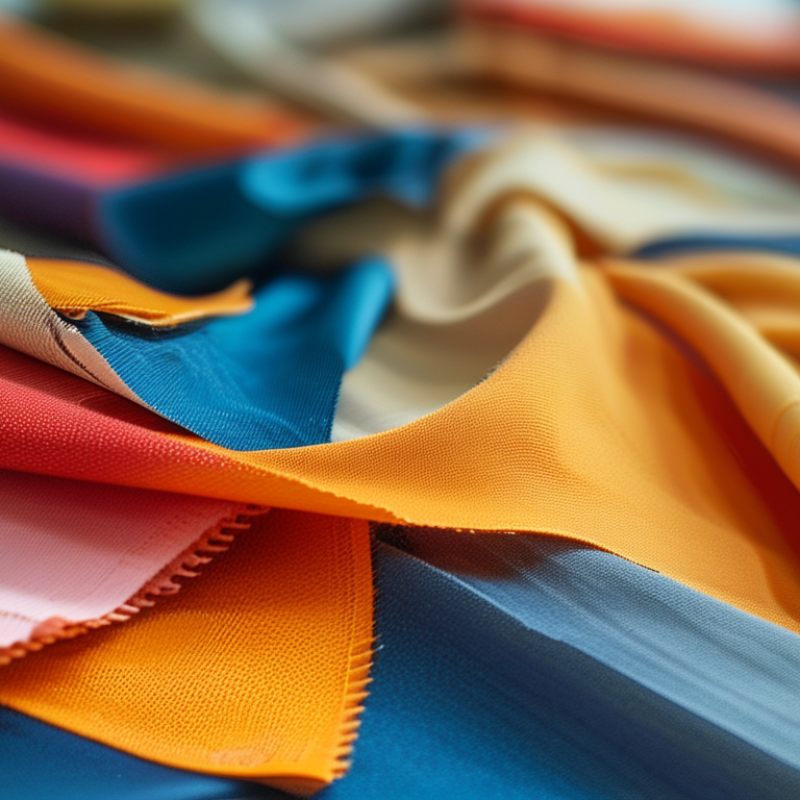
Exploring Free Fabric Options for Global Buyers
Exploring free fabric options can often feel overwhelming for global buyers. With countless sources available, understanding what is accessible is crucial. Many platforms provide free fabric samples, which allow potential customers to assess quality. This hands-on approach can mitigate the risk of disappointment later on.
However, the variety can be daunting. Factors like texture, weight, and print must be considered. Buyers might find that certain samples do not match their expectations upon arrival. This discrepancy can lead to wasted time and resources. Therefore, effective communication with suppliers is essential. Engaging in dialogue can clarify doubts and ensure that the selected fabrics meet the desired criteria.
Exploring free samples may be the first step, but it is not always straightforward. Buyers might need to navigate shipping fees and waiting times, which can affect project timelines. Yet, the investment in free fabric options is often worthwhile. They can inspire creativity and help buyers refine their vision. A thoughtful approach to exploring these options can ultimately lead them to the right fabric choices.
Understanding the Benefits of Free Fabric for International Trade
Exploring free fabric options can open new avenues for international trade. This approach reduces initial costs for buyers, especially small businesses. According to a report by the Global Textile Market Association, 73% of international textile buyers prioritize cost reduction. Free fabric trials allow buyers to assess quality without financial risk. This strategy boosts trust in sourcing decisions.
Sourcing methods are evolving. Reports indicate that 58% of buyers prefer suppliers who offer flexible sampling. Free fabric offerings play a vital role here. Buyers can test various materials, leading to informed purchasing decisions. This flexibility can mitigate the risk of buying large quantities of unsatisfactory fabric. However, there are concerns. Not all providers maintain consistent quality across free samples. It's crucial for buyers to establish clear communication with suppliers.
Assessing the benefits of free fabric isn’t straightforward. While reducing costs and minimizing risks is appealing, it’s essential to develop a strategy for quality control. Some businesses find that sample fabrics don’t match bulk production standards. This inconsistency can impact relationships with end consumers. Adapting to these challenges is necessary for long-term success in global markets.
Free Fabric Options for Global Buyers
This chart illustrates the availability of different types of free fabric options for international trade. As seen, Polyester is the most abundant, followed by Cotton and Linen, providing a variety of choices for global buyers.
Key Sources for Sourcing Free Fabrics Worldwide
For global buyers seeking free fabric options, there are several key sources worth exploring. Various online platforms offer a wide range of fabric samples, which can be an excellent starting point. Some organizations provide free fabric swatches to help buyers decide before making larger purchases. These services are particularly beneficial for emerging designers or small businesses with tight budgets.
Additionally, local universities often have textile programs. These programs sometimes give away leftover materials from projects, providing a unique opportunity. Networking with students and faculty can lead to access to free samples. Community events and fabric swaps also allow individuals to exchange materials without any cost.
However, relying only on free options can present challenges. The selection might be limited, and quality varies significantly. Buyers should critically assess the fabrics for durability and suitability for their projects. Taking time to explore these avenues can yield valuable resources but requires patience and effort to ensure the right fit.
Free Fabric Options for Global Buyers to Explore Now
| Region |
Fabric Type |
Source Option |
Contact Method |
| North America |
Cotton |
Local Trade Shows |
Email |
| Europe |
Linen |
Fabric Recyclers |
Phone |
| Asia |
Silk |
Trade Platforms |
Online Chat |
| South America |
Wool |
Nonprofit Organizations |
Face-to-Face |
| Africa |
Bamboo |
Craft Markets |
Social Media |
Factors to Consider When Choosing Free Fabric Options
When exploring free fabric options, several factors come into play. It's essential to consider the fabric's composition and its intended use. Natural fibers like cotton and linen offer breathability, while synthetics can provide durability. Understanding your project’s requirements helps narrow down your choices.
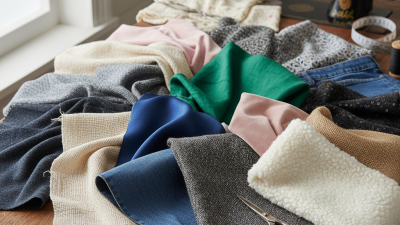
Another crucial element is the weight and drape of the fabric. Lightweight fabrics are ideal for flowing garments, whereas heavier ones work well for structured designs. Always request samples to assess texture and how it behaves when handled. This hands-on experience can reveal qualities that images cannot convey.
Lastly, think about the supplier's reliability and transparency. It's vital to know where the fabric comes from. Sustainable sourcing is increasingly important to many buyers today. Look for suppliers that prioritize eco-friendly practices. This decision can affect both the environment and your brand’s image.
Tips for Effectively Utilizing Free Fabrics in Your Projects
Exploring free fabric options can greatly enhance your projects. Many platforms offer samples or small quantities at no cost. This allows creators to experiment without a major financial investment. It's essential to request different materials. Consider textures and colors that align with your vision. The tactile experience can inspire new ideas.
When utilizing these free fabrics, be mindful of their limitations. Some materials may not withstand heavy use. Testing the durability is crucial before committing to any project. Also, think creatively about how to mix different fabrics. Combining textures can elevate your work, adding depth and interest. Keep in mind your overall concept, but don't be afraid to try unexpected combinations.
Documenting your process can lead to valuable insights. Take notes on how each fabric behaves during use. Experimentation might lead to mistakes, but that’s part of the creative journey. Reflect on what works and what doesn't. This self-evaluation is key to growth. Embrace the imperfections, as they often lead to the most innovative solutions.