What is Jersey Knit Fabric and Its Uses?
Jersey Knit Fabric is a versatile textile known for its soft feel and stretchability. It originates from the island of Jersey, where traditional knitting techniques evolved. This fabric is used widely in clothing due to its comfortable fit and drape.
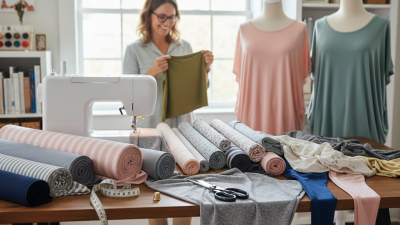
Common uses include t-shirts, dresses, and activewear. The fabric’s natural elasticity allows for ease of movement. However, its tendency to curl at the edges can be a downside for some projects. Understanding these traits is essential for choosing the right fabric for your needs.
Jersey Knit Fabric brings both benefits and challenges to the table. While it enhances comfort, it requires careful handling during sewing. Its potential to pill or fade should also be recognized by consumers. Overall, Jersey Knit Fabric is a popular choice in fashion, but it deserves thoughtful consideration.
Definition of Jersey Knit Fabric and Its Characteristics
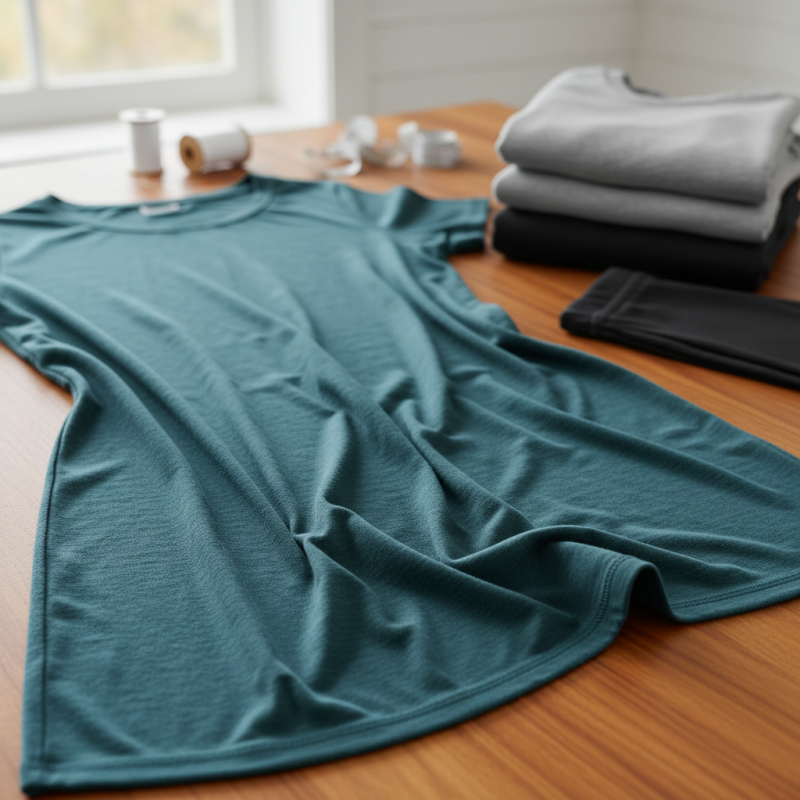
Jersey knit fabric is a type of textile known for its unique characteristics. This fabric is usually made from cotton, polyester, or a blend of fibers. Jersey knit is recognized for its stretchability. It typically has a smooth surface on one side and a looped texture on the other. This makes it soft and comfortable against the skin, which is why it is often used for clothing.
According to the Textile World report, the global jersey knit fabric market is projected to grow annually by 4.5%. This growth is attributed to the increasing demand for comfortable apparel. In particular, activewear and loungewear industries are driving this trend. However, the environmental impact of fabric production can be significant. While jersey knit is versatile, not all manufacturing processes are eco-friendly.
Jersey knit is often used in t-shirts, dresses, and leggings. The breathability of the fabric is a critical factor for many consumers. Yet, this fabric can lose its shape over time, especially after numerous washes. This is an essential consideration for both manufacturers and designers. Balancing quality with sustainability remains a challenge in the fabric industry.
Jersey Knit Fabric Uses and Characteristics
History and Development of Jersey Knit Fabric in the Textile Industry
Jersey knit fabric has an interesting history in the textile industry. It originated from the island of Jersey in the 19th century. Initially used for fishermen’s garments, it was durable yet flexible. This made it ideal for workwear. The fabric quickly gained popularity for its comfort and stretch.
As demand grew, manufacturers began exploring various blends. Cotton became a common choice. The fabric transformed from rough textiles to soft, breathable materials. This evolution allowed jersey knit to enter everyday clothing. T-shirts and casual wear benefited greatly from this change.
However, the growth of jersey knit fabric is not without challenges. With the rise of synthetic materials, the market faced pressure. Sustainable options became a key concern. Many consumers are seeking eco-friendly alternatives. The balance between comfort, cost, and environmental impact remains a hot topic. Adapting to this shift requires continuous innovation in production methods.
Common Uses of Jersey Knit Fabric in Fashion and Home Textiles
Jersey knit fabric is popular for many reasons. This stretchy material is soft and comfortable, making it ideal for casual wear. It's commonly used in T-shirts and dresses. People love how it drapes and moves with the body. When you wear a jersey dress, it often feels like a second skin.
In home textiles, jersey knit fabric serves practical purposes too. It is used in bed sheets and pillowcases for a cozy touch. The breathable qualities make it suitable for all seasons. Some choose jersey-knit fabric for blankets, offering warmth without bulk. While jersey works well, not all uses are perfect. Stretching over time is a concern. Despite this, its versatility keeps it a favorite among designers and homeowners alike.
What is Jersey Knit Fabric and Its Uses?
| Dimension |
Description |
Common Uses |
| Material |
A knit fabric made from cotton, polyester, or a blend. |
T-shirts, dresses, activewear. |
| Stretch |
Has inherent stretch due to the knit construction. |
Yoga pants, fitted tops. |
| Texture |
Soft and smooth surface. |
Bedding, casual apparel. |
| Weight |
Available in various weights from lightweight to heavier options. |
Seasonal clothing, layering pieces. |
| Durability |
Resistant to wrinkling and fading. |
Everyday wear, children's clothing. |
Advantages of Using Jersey Knit Fabric in Clothing and Accessories
Jersey knit fabric is popular in the world of clothing. It is known for its softness and flexibility. This fabric is made primarily from cotton or a blend. It stretches well, which makes it comfortable for daily wear. This is one of the biggest advantages of using jersey knit.
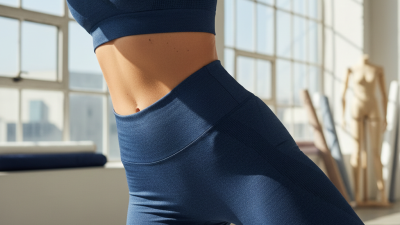
When it comes to clothing, jersey knit is often used for tees and dresses. Its drape is flattering on various body types. Many people love wearing it for workouts as it allows for freedom of movement.
However, jersey fabric can sometimes lose shape after many washes. It’s important to care for it properly to maintain its quality.
Tips: Always wash jersey knit items in cold water to prevent shrinking. Avoid high heat when drying, as it can cause the fabric to warp. If you notice pilling, consider using a fabric shaver gently. With a little attention, your jersey knit garments can last longer and retain their charm.
Care and Maintenance Tips for Jersey Knit Fabric Products
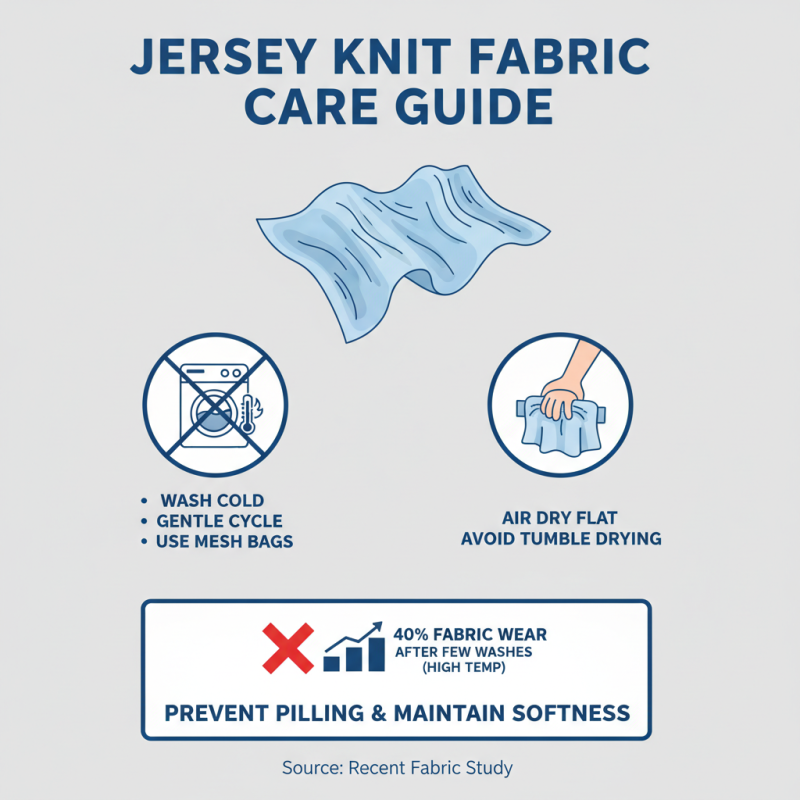
Jersey knit fabric is known for its soft texture and stretchability. However, maintaining its quality requires attention. Regular washing can lead to pilling, especially if not done correctly. A recent study found that over 40% of consumers experience fabric wear after just a few washes when using high temperatures.
For best care, wash jersey knit in cold water. This minimizes shrinkage and color fading. A gentle cycle is preferable. Drying should be done on low heat or air dry to prevent stretching. Ironing can also be tricky. High heat can damage the fibers, leading to unwanted shine and deformity. Using a lower setting is critical.
While jersey knit is durable, it’s not invincible. Some users report color bleeding after multiple washes. This can be particularly frustrating for vibrant garments. Investing time in proper care pays off. Devoting attention to how you wash, dry, and store your jersey knit pieces can extend their lifespan significantly. Small mistakes can lead to bigger issues down the road.