Why is Polyester Stretch Essential for Global Sourcing?
In today's fast-paced global market, textile innovation plays a crucial role. Polyester Stretch has emerged as a vital component in various sectors, providing essential benefits. Its adaptability and durability make it a favorite among manufacturers.
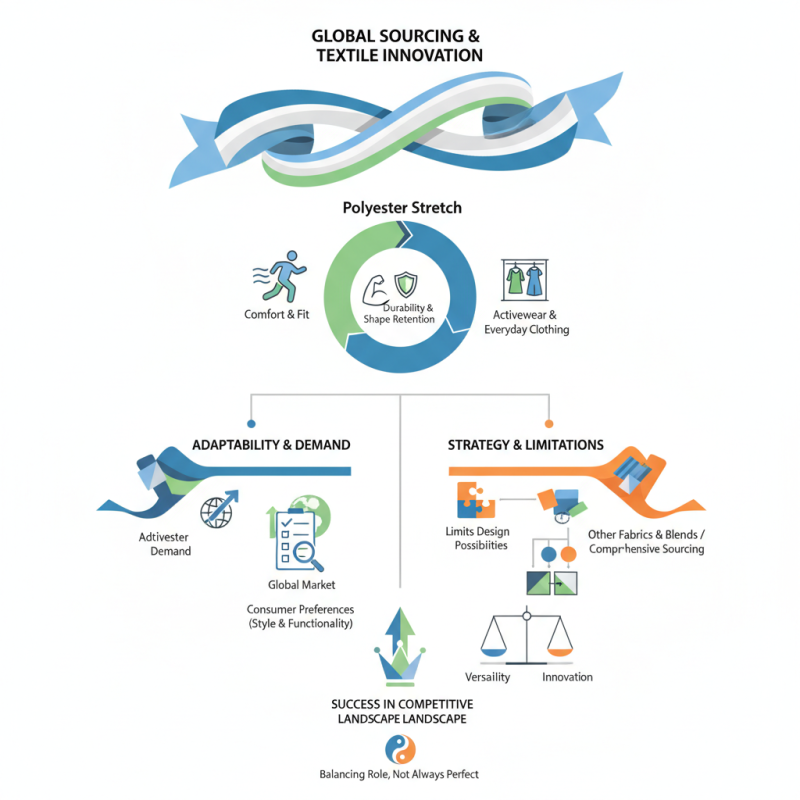
The essence of Polyester Stretch lies in its ability to enhance the comfort and fit of garments. This fabric meets consumer demands for both style and functionality. Around the world, brands seek materials that satisfy these evolving preferences. Polyester Stretch not only offers stretch but also retains shape. This characteristic is key for activewear and everyday clothing alike.
However, relying solely on Polyester Stretch can limit design possibilities. Brands must also explore other fabrics and blends to create unique products. A comprehensive sourcing strategy requires balancing versatility with innovation. In this competitive landscape, understanding the role of Polyester Stretch is essential for success. It may not always be the perfect choice, but it plays a significant role in many successful lines.
The Role of Polyester Stretch in Modern Fashion Industry Trends
In today's fast-paced fashion industry,
polyester stretch has
become a game changer. It offers flexibility and comfort, enabling designers
to create diverse styles. Many consumers value comfort as much as style, and
polyester stretch meets this demand.
This fabric allows for ease of movement, making garments more wearable.
Trends are shifting towards athleisure and casual wear.
Polyester stretch fabric responds to these trends effectively. It blends well with various
designs, from chic dresses to sporty outfits. However, the reliance on
polyester stretch also raises concerns
about sustainability. The environmental impact of synthetic fibers cannot be overlooked.
Fashion brands face the challenge of balancing innovation
and eco-friendliness. While consumers seek comfort,
the origin of materials matters. More brands are exploring sustainable sources for
polyester stretch.
This effort is essential for building trust in the market. The conversation around
polyester stretch
illustrates the need for reflection in sourcing practices.
Advantages of Polyester Stretch in Global Sourcing Supply Chains
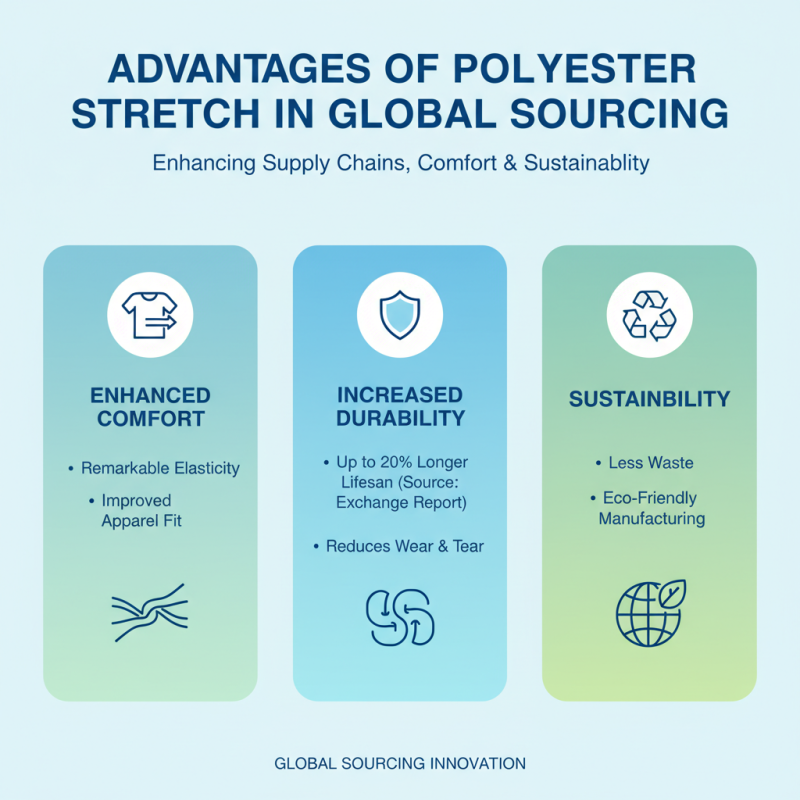
Polyester stretch has become an indispensable component in global sourcing. This fabric offers remarkable elasticity, enhancing comfort in apparel and other products. According to a recent report by Textile Exchange, incorporating polyester stretch can improve fabric durability by up to 20%. This longevity reduces waste, making it a sustainable choice for manufacturers focusing on eco-friendly practices.
The advantages of polyester stretch extend beyond its physical properties. It allows for better fit and flexibility. This adaptability is crucial for meeting diverse consumer demands across various markets. A survey conducted by Research and Markets highlights that consumers prioritize comfort, with 68% stating it influences their purchasing decisions. Thus, polyester stretch fulfills a vital need in competitive sourcing strategies.
Tip: When sourcing materials, consider the overall lifecycle of the fabric. Polyester stretch offers not only flexibility but also durability, which can lead to cost savings in the long run.
While the benefits seem significant, challenges remain. Sourcing polyester stretch often involves navigating supply chain complexities. Companies may struggle with inconsistent quality from different suppliers. Maintaining high standards is essential to avoid product returns.
Tip: Research suppliers thoroughly to ensure consistent quality. Establishing long-term relationships can mitigate risks and enhance reliability in your sourcing strategy.
Impact of Polyester Stretch on Fabric Performance and Durability
Polyester stretch plays a crucial role in fabric performance and durability. This material adds flexibility, allowing garments to move with the body. Designers appreciate polyester stretch for its ability to maintain shape. Clothing made with this feature often withstands wear and tear better than non-stretch fabrics. As a result, they can last longer, reducing waste in the fashion industry.
The importance of durability cannot be overstated. Many consumers seek clothing that holds up under daily use. Polyester stretch enhances resilience, making it an ideal choice for activewear and casual attire. However, one must consider how stretching affects breathability. Overstretching can lead to discomfort during prolonged wear. It’s essential to strike a balance between stretch and breathability.
Additionally, not all polyester stretch is created equal. Variations in quality can impact fabric performance. Some polyester blends may not offer the same durability, risking rips or tears. Ensuring manufacturers use high-quality materials is critical for garment longevity. In an era of fast fashion, attention to these details is more important than ever.
Sustainability Considerations in Polyester Stretch Production
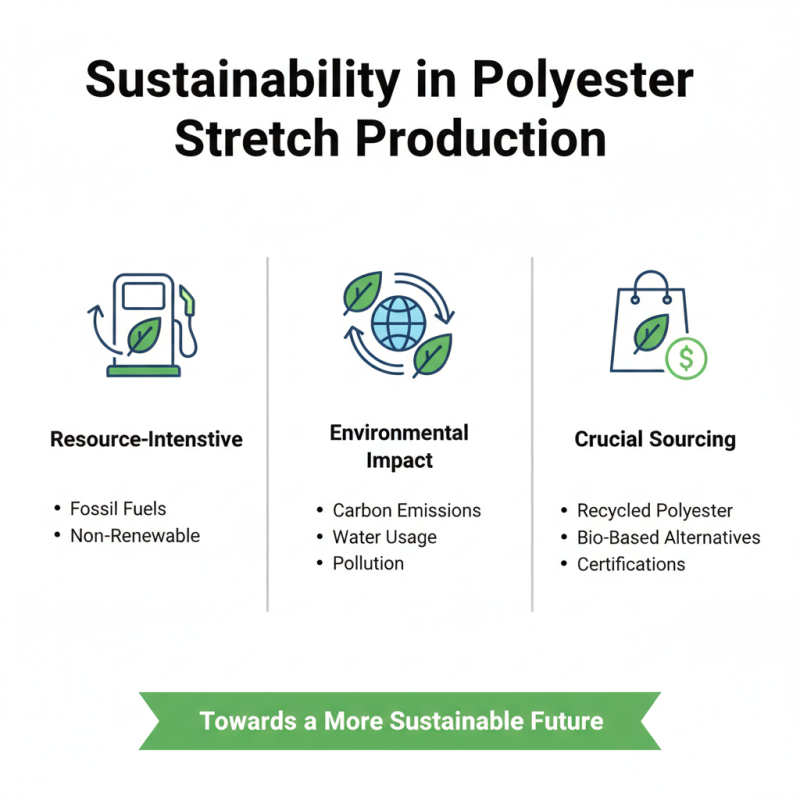
Sustainability is a critical consideration in polyester stretch production. The manufacturing of polyester can be resource-intensive. It often relies on non-renewable resources, such as fossil fuels. The environmental impact can be significant, making sourcing decisions crucial for businesses aiming for sustainability.
When selecting polyester materials, transparency is vital. Suppliers should disclose their production processes and practices. This helps brands make informed choices. It’s essential to prioritize manufacturers who minimize waste and use eco-friendly technologies. Sustainable innovations, like recycled polyester, are becoming more common. These methods reduce reliance on virgin materials and lessen environmental footprints.
Tips: Always ask for certifications that prove sustainability claims. Engage with companies that practice ethical sourcing. Keep a critical eye on supply chain transparency. Collaboration between brands and suppliers can drive more sustainable practices. The journey to sustainability in polyester stretch is ongoing and requires continual reflection and improvement.
Future Innovations in Polyester Stretch and Global Market Adaptation
Polyester stretch has become a fundamental component in the global sourcing landscape. Future innovations in polyester stretch are shaping how the industry adapts to market needs. According to a report by Textile Exchange, polyester fiber production is anticipated to reach 89 million tons by 2026. This surge indicates the growing reliance on polyester for functional apparel due to its superior elasticity and durability.
The trend towards sustainable sourcing also influences polyester stretch innovations. A study by the Global Polyester Market indicates that demand for recycled polyester is projected to grow by 38% in the next five years. Brands are seeking eco-friendly options while maintaining performance and functionality. This shift challenges suppliers to balance sustainability with consumer expectations. New technologies are being developed to enhance the stretch capabilities while reducing environmental impacts.
Despite these advancements, complexities remain in adapting to varying regional preferences. The need for customized solutions requires constant innovation and responsiveness. Suppliers may find it difficult to forecast trends accurately, especially in diverse markets. Developing a thorough understanding of local demands and production capabilities is essential. Ultimately, navigating this landscape necessitates a commitment to both creativity and critical reflection.