Is Spandex Fabric the Best Choice for 2026 Apparel Trends?
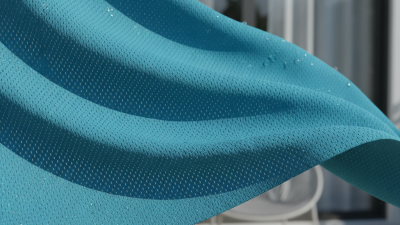
As 2026 approaches, the fashion industry is buzzing with predictions about emerging trends. A significant player in this discussion is "Spandex Fabric." Renowned textile expert Dr. Emily Carter highlights its versatility: "Spandex Fabric is not just elastic; it embodies comfort and movement for modern apparel." This material's unique properties make it essential for various clothing, from activewear to everyday wear.
Spandex Fabric allows for a wide range of motion. The growing interest in athleisure and performance gear amplifies its relevance in today's market. Consumers are seeking clothing that feels good and performs well. As styles evolve, they desire fabrics that adapt to their active lifestyles. However, it’s crucial to balance comfort with sustainability. The reliance on synthetic fibers raises environmental concerns.
Looking ahead, Spandex Fabric might dominate the apparel landscape, but questions remain. Will manufacturers find sustainable solutions? Can they innovate without compromising quality? These are important reflections as the industry moves forward, aiming for both style and responsibility in clothing choices.
Overview of Spandex Fabric and Its Properties
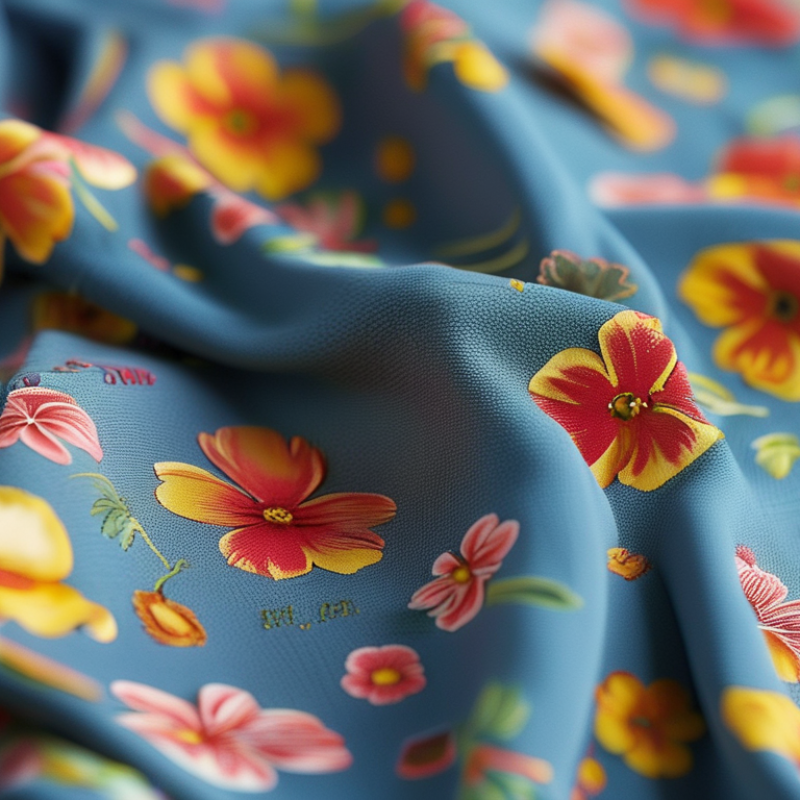
Spandex, known for its exceptional elasticity, has become a staple in modern apparel. Its ability to stretch significantly allows for a snug fit, making it popular in athletic and everyday wear. Spandex blends seamlessly with other fabrics, enhancing comfort and flexibility. This characteristic makes it ideal for activities that require a full range of motion, like dancing or yoga.
However, the reliance on spandex raises questions. While it offers great benefits, its environmental impact cannot be ignored. The production process contributes to pollution, and spandex is often not biodegradable. As sustainability becomes vital in fashion, alternatives to spandex are gaining interest. Innovations in textile technologies may lead to eco-friendly options that mimic spandex's properties while reducing harm.
The versatility of spandex cannot be overlooked. It enables creative designs in various clothing styles, from form-fitting dresses to performance wear. Yet, the fashion industry must balance the demand for performance with ecological responsibility. Future trends might lean towards sustainable blends that maintain the advantages of spandex without the environmental compromise.
Current Trends in Apparel Fabric Choices for 2026
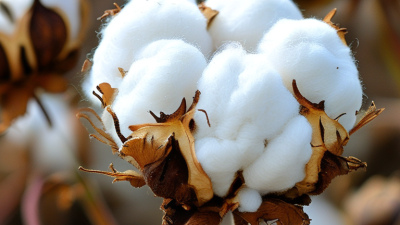
The apparel industry is evolving rapidly, and fabric choices are central to the trends of 2026. While spandex is known for its flexibility, designers are exploring innovative materials that blend comfort, sustainability, and aesthetics. Natural fibers are gaining traction. Cotton, linen, and even organic hemp are preferred for their breathability and eco-friendliness.
Sustainability will be crucial in 2026. Consumers are increasingly aware of the environmental impacts of their clothing. Fabrics made from recycled materials or those that require less water and chemicals during production are gaining attention. This shift requires thoughtful selection by designers. They must balance style and planet-friendly choices.
It’s essential to consider how fabrics perform in real life. Will a fabric last? How does it feel against the skin? Sourcing sustainable materials can be challenging. Some options may not meet performance expectations. Assessing both functionality and eco-consciousness leads to better choices. Choosing the right fabric is about more than trends; it reflects a commitment to quality and ethics.
Advantages of Spandex in Modern Fashion Design
Spandex fabric has gained a prominent place in contemporary fashion. Its unique properties make it an ideal choice for various apparel trends expected in 2026. The fabric is stretchy yet resilient, providing comfort that fits various body types. This adaptability allows designers to experiment with new silhouettes while ensuring ease of movement.
When considering spandex, it’s essential to note its moisture-wicking ability. This characteristic helps keep the wearer dry and comfortable during physical activities. Athleisure and activewear have benefited greatly from this feature, making spandex a staple in modern wardrobes. Furthermore, spandex blends well with other fabrics, enhancing their performance without compromising style.
Experiment with layering spandex pieces. Use them under flowy tops or structured jackets to achieve a balanced look. Also, try mixing textures to create visual interest. Remember, choosing spandex does not mean sacrificing elegance; it can elevate casual outfits effortlessly. Be mindful of fabric weight and opacity to ensure flattering fits.
Potential Alternatives to Spandex in Apparel Manufacturing
As the 2026 apparel trends loom closer, many designers are reevaluating their fabric choices. Spandex has long been praised for its stretch and comfort. However, the pursuit of sustainability is steering many towards alternatives. Eco-friendly materials are becoming key players in fashion conversations.
Organic cotton, for instance, offers breathability while being kinder to the environment. Its natural fibers provide a soft feel, perfect for casual wear. Another alternative is Tencel, made from sustainably sourced wood pulp. This fabric is known for its moisture-wicking capabilities, making it ideal for activewear.
Yet, there are challenges in transitioning away from spandex. Many alternatives may not offer the same level of elasticity. It’s important to test new materials in real-world applications. The durability and performance must align with consumer expectations. Exploring these alternatives presents a learning curve, yet it opens the door for innovation in apparel manufacturing.
Is Spandex Fabric the Best Choice for 2026 Apparel Trends?
Consumer Preferences and Sustainability Considerations in 2026
As we look ahead to 2026, consumer preferences are shifting toward fabrics that combine comfort with sustainability. Spandex, known for its stretchability, has gained popularity due to its versatility in activewear and casual clothing. However, the environmental impact of synthetic fibers is becoming a serious concern for eco-conscious shoppers. Many are questioning the sustainability of spandex, prompting a closer examination of fabric choices.
Sustainability does not only refer to fabric production but also to the lifespan of clothing. When choosing materials, look for options that offer durability. A well-made garment can last years, reducing waste. While spandex can enhance fit, consider blends with organic materials that degrade more naturally. This not only helps the planet but also aligns with rising consumer demand for eco-friendly choices.
When evaluating your wardrobe, ask yourself how often you wear each piece. Items that remain unworn may reflect unnecessary purchases. Focus on versatile styles that can transition between settings. Embracing a minimalistic approach can lead to a more sustainable wardrobe, reducing your overall footprint while still keeping your style fresh and current.
Is Spandex Fabric the Best Choice for 2026 Apparel Trends? - Consumer Preferences and Sustainability Considerations in 2026
| Dimension |
Statistic |
Consumer Preference (%) |
Sustainability Rating (1-5) |
| Comfort |
High |
85% |
3 |
| Durability |
Medium |
75% |
4 |
| Eco-friendliness |
Medium |
65% |
2 |
| Fabric Variety |
Wide |
70% |
4 |
| Market Demand |
Increasing |
80% |
3 |