Top 10 Textile Fabric Types for Global Buyers in 2026?
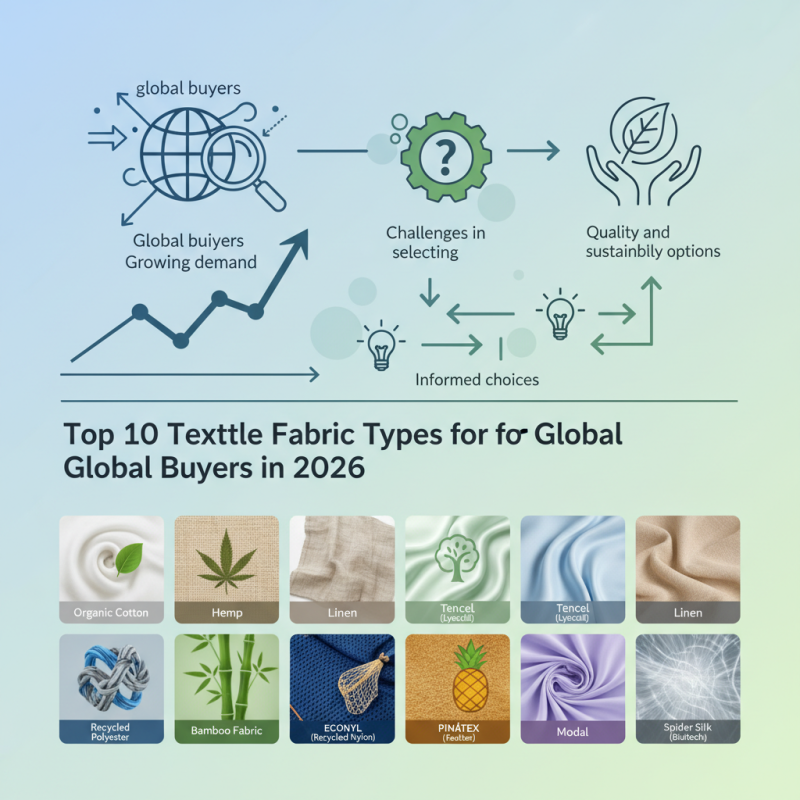
In the ever-evolving world of fashion, understanding textile fabric types is crucial for global buyers. As we approach 2026, the demand for diverse fabric options continues to grow. Buyers often face challenges in selecting the right materials. Each textile fabric carries unique properties that impact quality and sustainability.
Innovations in fabric technology are changing the landscape. Eco-friendly options are now at the forefront, appealing to conscious consumers. With more choices come higher expectations. However, not all buyers are aware of the latest trends and standards. This gap in knowledge can lead to misinformed decisions affecting both production and market success.
Exploring the top ten textile fabrics for 2026 offers valuable insights. Buyers can enhance their sourcing strategies with informed choices. Understanding these fabrics enables better alignment with market demands. As we look ahead, embracing new trends is essential. Yet, the journey demands continuous learning and reflection on past practices. This dynamic industry calls for adaptability and expertise in textile fabric selection.
Overview of Textile Fabrics: Importance in Global Trade
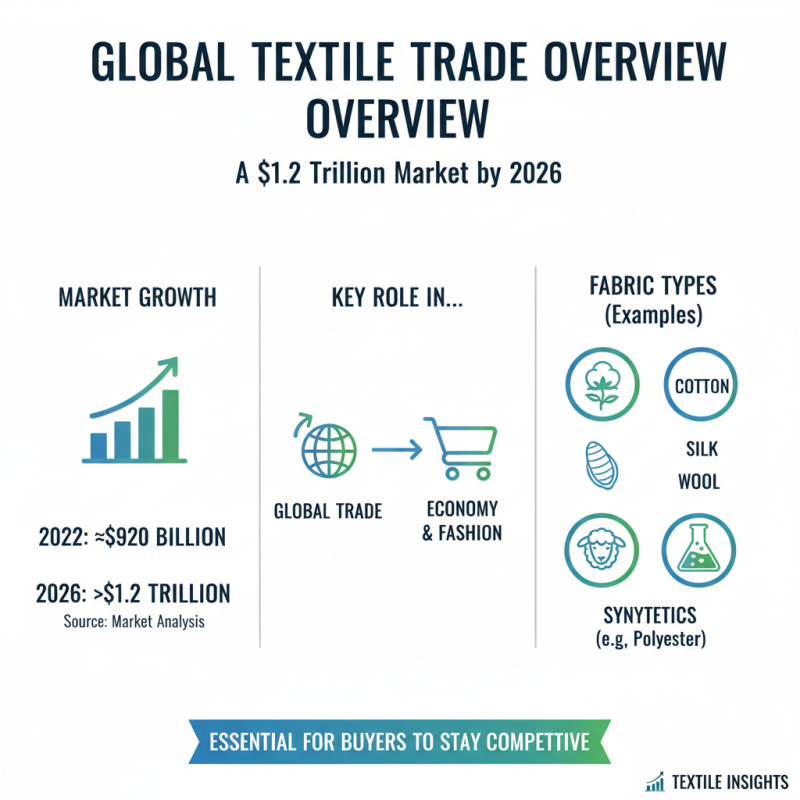
Textile fabrics play a crucial role in global trade. In 2022, the global textile market was valued at approximately $920 billion. By 2026, it is expected to exceed $1.2 trillion. This growth highlights the increasing demand for various fabric types worldwide. Understanding different textile materials is essential for buyers aiming to stay competitive.
Natural fibers, such as cotton and wool, dominate the market, accounting for around 35% of total production. While synthetic fibers, like polyester, have seen remarkable growth, with a market share projected to reach 60% by 2026. This shift reflects consumer preferences for durable, affordable fabrics. However, sourcing sustainable materials remains a challenge. Factories must balance cost and environmental impact.
Recent studies indicate that eco-friendly fabrics are growing in popularity. Buyers demand materials with lower carbon footprints. Yet, navigating this trend can be difficult, as many producers are not fully transparent about their processes. This inconsistency can lead to confusion and mistrust in the market. The future will require clear communication and a commitment to sustainability from all stakeholders.
Key Factors Influencing Textile Fabric Selection for Buyers
Selecting the right textile fabric is crucial for global buyers in 2026. Various factors influence this decision, including cost, functionality, and environmental impact. Buyers need to consider the material's durability and how it aligns with their brand values. For example, organic fabrics might be preferred for sustainability.
Quality matters. A high-quality fabric can enhance product appeal. However, finding balance is essential. Sometimes, cheaper options may compromise fabric performance. By evaluating supplier reliability and fabric certifications, buyers can make informed choices.
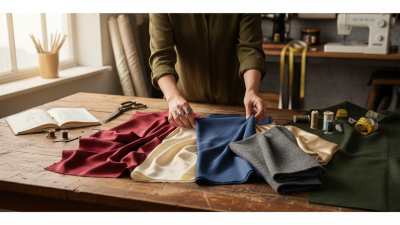
Tips: When sourcing fabrics, conduct material tests. Check for shrinkage, fading, and wear resistance. Reliable suppliers provide sample swatches, making it easier to assess quality. Engage directly with manufacturers to understand sourcing and production processes. Doing so helps foster trust and transparency.
Trends also play a role. Buyers must stay updated on emerging fabric technologies. Innovations in smart textiles are gaining traction. These fabrics can enhance functionality while appealing to tech-savvy consumers. Yet, adapting to such changes may present a challenge for some buyers. Flexibility is crucial for navigating this evolving landscape.
Top 10 Textile Fabrics: Features and Benefits
When considering the top textile fabrics for global buyers in 2026, it's essential to understand their features and benefits. Cotton remains a staple due to its breathability and comfort. It is widely available, making it a reliable choice for various applications, from apparel to home decor. However, the environmental impact of cotton farming is a significant concern for sustainability-minded buyers.
Sustainable fabrics are gaining traction. Hemp, for example, is durable and eco-friendly. It requires less water to grow, making it a responsible option for conscientious consumers. Meanwhile, bamboo fabric is soft and biodegradable, appealing to those who prioritize green choices. Nevertheless, some consumers express concerns about the processing methods used to create these fabrics, which can involve harsh chemicals.
Acrylic is another popular synthetic option, mimicking wool's softness while being lightweight. It is resistant to moths and mildew, adding to its appeal. However, acrylic's reliance on petroleum raises questions about its long-term sustainability. As buyers navigate their fabric options, balancing quality, environmental impact, and ethical considerations becomes increasingly complex. Each decision reflects personal values in a global textile market.
Top 10 Textile Fabric Types for Global Buyers in 2026
| Fabric Type |
Features |
Benefits |
Common Uses |
| Cotton |
Breathable, absorbent, soft |
Comfortable and versatile |
Apparel, home textiles |
| Polyester |
Durable, wrinkle-resistant, quick-drying |
Low maintenance, long-lasting |
Activewear, outerwear |
| Linen |
Cool, absorbent, and strong |
Ideal for warm climates |
Summer wear, tablecloths |
| Wool |
Insulating, moisture-wicking |
Warmth and comfort |
Outerwear, knitwear |
| Silk |
Luxurious, soft, hypoallergenic |
Elegant appearance |
Evening wear, scarves |
| Rayon |
Soft, breathable, and drapes well |
Versatile for fashion |
Dresses, blouses |
| Denim |
Durable, heavy-weight fabric |
Long-lasting wear |
Jeans, jackets |
| Nylon |
Lightweight, strong, elastic |
Resistant to wear |
Activewear, swimsuits |
| Acrylic |
Soft, lightweight, resistant to wrinkles |
Affordable alternative to wool |
Sweaters, blankets |
Sustainability Trends in Textile Fabric Production
Sustainability in textile fabric production is gaining momentum. The focus on eco-friendly materials is reshaping the industry. Buyers are increasingly seeking organic cotton, hemp, and recycled polyester. These materials reduce environmental impact. They also provide durability and comfort.
Innovative production methods are emerging. Water and energy-efficient techniques are being adopted widely. Some manufacturers are investing in renewable energy sources. However, challenges remain. The supply chain can be complex, and transparency is often lacking. Ensuring sustainable practices requires diligent efforts from all stakeholders.
Sustainable fabrics come with a higher price tag. Nevertheless, many consumers are willing to pay more for eco-friendly options. This shift is encouraging brands to adopt greener practices. As awareness grows, the demand for sustainable textiles is expected to rise significantly. Companies need to reflect on their practices and embrace change for a better future.
Future Innovations in Textile Fabrics for Global Markets
The textiles industry is undergoing significant transformations. By 2026, innovative fabrics will play a vital role in shaping global markets. Industry reports indicate the market for advanced textile fabrics may surpass USD 200 billion, driven by increasing demand for sustainable materials.
Recent trends highlight the emergence of bio-fabrics made from natural fibers. These materials not only reduce environmental impacts but also offer remarkable durability. In some instances, fabrics made from recycled ocean plastics are being developed, showcasing potential for environmental remediation. However, questions remain about their long-term recyclability and performance.
Smart textiles are also on the rise, integrating technology into fabrics. These textiles can monitor health and adjust to environmental conditions in real-time. Reports estimate that the smart textile market will grow at a CAGR of over 25% by 2026. Yet, challenges persist in balancing functionality with comfort. Ensuring user-friendly designs is crucial for broader acceptance. As fabrics evolve, opportunities and obstacles will shape the future of the textile industry.
Top 10 Textile Fabric Types for Global Buyers in 2026