Top Uses of Stretch Knit Fabric for Global Buyers?
In the dynamic world of fashion and textiles, "Stretch Knit Fabric" stands out as a versatile material. Experts like Dr. Emily Carter, a renowned textile scientist, emphasize its importance. She once stated, "Stretch Knit Fabric is revolutionizing how we think about comfort and fit in clothing."
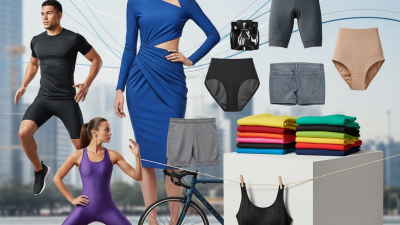
This fabric offers unique benefits for global buyers. Its elasticity makes it ideal for activewear, loungewear, and swimwear. The soft, breathable qualities also cater to everyday clothing needs. Many manufacturers appreciate its adaptability, helping them create innovative designs. However, not all stretch knits are the same. It’s crucial to recognize that quality can vary widely among suppliers.
Understanding this will help buyers make informed decisions. While some suppliers offer durable fabrics, others may cut corners. This inconsistency can impact the final product's performance and comfort. In addition, sustainability concerns are rising. Many consumers are now looking for eco-friendly options in Stretch Knit Fabric. Addressing these issues can enhance buyer confidence and lead to more responsible sourcing choices.
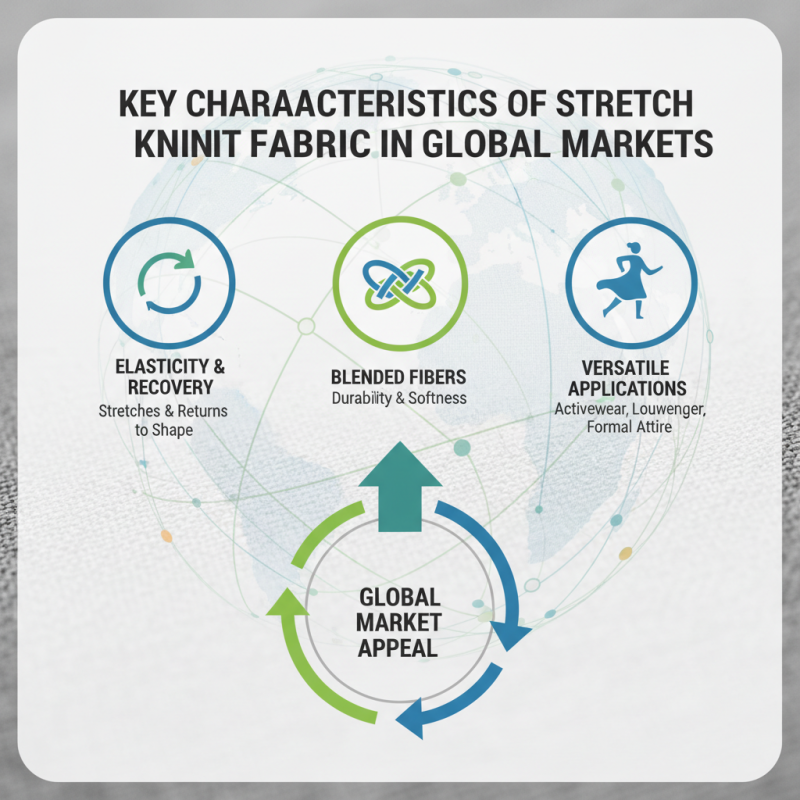
Key Characteristics of Stretch Knit Fabric in Global Markets
Stretch knit fabric stands out for its versatility and comfort. It can stretch and return to its original shape, making it ideal for various applications. This fabric is often composed of blended fibers, enhancing its durability and softness. In global markets, its elasticity is a critical feature that attracts buyers. It serves well in activewear, loungewear, and even formal attire.
When considering stretch knit, look at the weight and texture. Fabrics can vary from lightweight, breathable options to heavier, more structured materials. Feel the fabric before purchasing; softness can significantly influence comfort levels.
Tips for buyers: Always check for recovery properties. Will the fabric maintain its shape after use? Also, consider care instructions. Some stretch knits may require special cleaning. It’s vital to research and ask for samples. Testing how the fabric behaves during physical activities can reveal unexpected characteristics.
Popular Applications of Stretch Knit Fabric in Apparel Industry
Stretch knit fabric is widely recognized for its versatility in the apparel industry. This fabric is popular in activewear, loungewear, and casual clothing. A recent market analysis highlights that the global stretch knit fabric market was valued at approximately $15 billion in 2022 and is expected to grow significantly. This growth indicates the increasing demand for comfortable, flexible clothing options.
One of the standout applications of stretch knit fabric is in athletic wear. It provides superior elasticity, ensuring freedom of movement during workouts. Reports suggest that the athletic wear segment alone is projected to grow at a CAGR of 6.5% through 2028. Additionally, the fabric’s breathability and moisture-wicking properties make it ideal for sports enthusiasts. Another important use lies in shaping garments. These products benefit from the fabric's ability to snugly fit the body, offering support without compromising on style.
However, there are challenges in sourcing and production. Quality control can sometimes be inconsistent, impacting wearability and durability. Sustainable production methods are also increasingly important, as consumers demand eco-friendly options. Addressing these issues requires collaboration across the supply chain to ensure that quality meets environmental standards. This journey toward sustainability emphasizes the need for ongoing innovation in the stretch knit fabric market.
Top Uses of Stretch Knit Fabric for Global Buyers
| Application |
Description |
Benefits |
Common Fabrics |
| Activewear |
Designed for physical activities, providing comfort and flexibility. |
Breathable, moisture-wicking, excellent stretch. |
Lycra, Spandex blends |
| Casual Wear |
Everyday clothing items that combine style and comfort. |
Soft, durable, versatile in styling. |
Cotton blends, Jersey Knit |
| Loungewear |
Comfortable clothing for home relaxation. |
Relaxed fit, soft feel, easy care. |
Modal, Bamboo Knit |
| Undergarments |
Intimate wear that requires a close fit. |
Comfortable, seamless, body-contouring. |
Microfiber, Nylon blends |
| Sportswear |
Clothing specifically designed for sports or exercise. |
Enhances performance, ensures movement. |
Polyester, Spandex blends |
Uses of Stretch Knit Fabric in Home Textiles and Upholstery
Stretch knit fabric offers versatile applications in home textiles and upholstery. Its inherent elasticity makes it ideal for furniture and decor requiring durability and comfort. According to recent industry reports, the global stretch knit fabric market is projected to grow at a CAGR of 4.5% from 2021 to 2028, driven by rising demand in home furnishings.
In upholstery, stretch knit fabric ensures a snug fit on furniture. It resists stains and is easy to clean, making it popular for high-traffic areas. Designers favor it for its texture and aesthetic appeal, enhancing interior spaces. Data indicates that over 30% of upholstery fabrics now incorporate stretch components, emphasizing practicality without compromising style.
**Tip:** When selecting stretch knit fabric for upholstery, test it for elasticity and recovery. This ensures the material retains its shape over time. Additionally, consider colorfastness to maintain vibrancy.
Moreover, stretch knit fabric's application in home textiles is expanding. Curtains, bed linens, and decorative pillows benefit from its softness and flexibility. This fabric adapts to various forms, allowing for innovative designs. However, its overuse may lead to monotony in home decor.
**Tip:** Balance stretch knit textiles with contrasting materials for a dynamic look. Mixing textures can enhance visual interest and depth in a room.
Innovative Uses of Stretch Knit Fabric in Sports and Activewear
Stretch knit fabric has become a favorite in sports and activewear due to its unique properties. The fabric is known for its flexibility and breathability, making it ideal for high-performance clothing. Athletes benefit from its ability to stretch without losing shape. This keeps wearers comfortable and supported during intense activities, such as running or yoga.
Moreover, stretch knit is often blended with other fibers for enhanced performance. For instance, moisture-wicking properties can be added to keep athletes dry. This innovative approach caters to various needs in activewear. However, not all blends offer the same level of comfort or durability. Buyers must consider the specific use and performance criteria when selecting fabrics.
Additionally, while stretch knit offers many advantages, there are challenges. The production process can sometimes lead to uneven quality. It's crucial to assess the reliability of the fabric supplier. Understanding the limitations of stretch knit fabric is essential for making informed choices in sports apparel. Activewear designers must strike a balance between style and functionality.
Top Uses of Stretch Knit Fabric in Sports and Activewear
Advantages of Stretch Knit Fabric for Global Buyers and Manufacturers
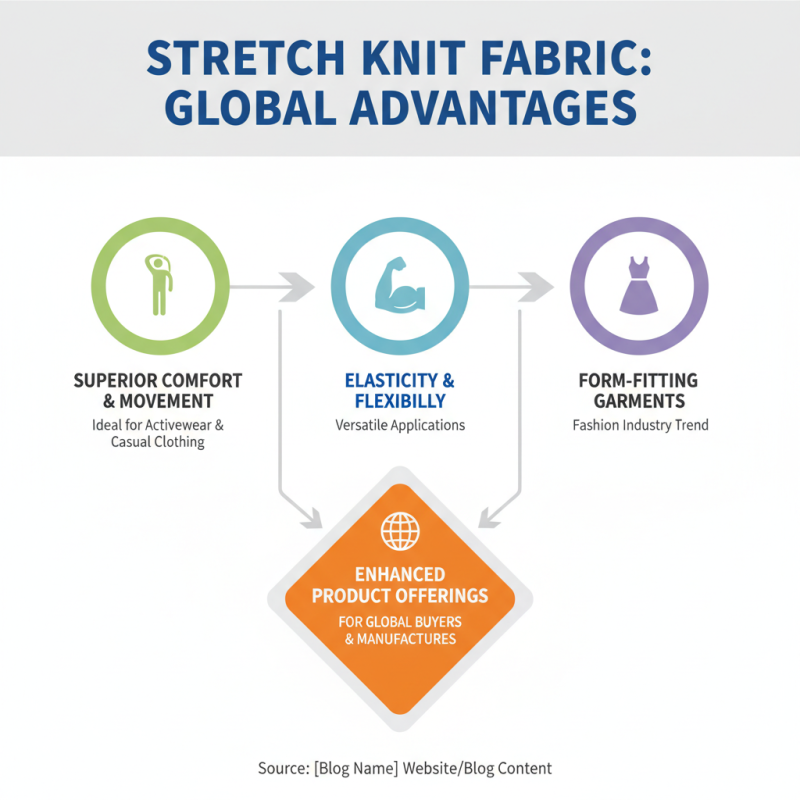
Stretch knit fabric offers numerous advantages for global buyers and manufacturers, enhancing their product offerings significantly. The elasticity of this material makes it ideal for a variety of applications. It provides superior comfort and freedom of movement, essential for activewear and casual clothing. This flexibility also helps in creating form-fitting garments, which are very popular in the fashion industry.
Moreover, stretch knit fabric is known for its durability. It retains shape well, even after repeated wear and washing. This longevity appeals to buyers seeking high-quality materials. The fabric’s breathability is another notable feature, making it suitable for various climates. Buyers can confidently use it for everything from sportswear to everyday attire. However, manufacturers must ensure consistent quality during production, as variations can impact the end product.
Importantly, the fabric's versatility allows for unique design options, enabling creative patterns and textures. This flexibility can lead to challenges, particularly in sourcing the best variants or managing production costs. Yet, overcoming these hurdles can result in high-value products that resonate with consumers. Understanding the strengths and weaknesses of stretch knit fabric is crucial for maximizing its potential in the marketplace.