2026 Best Cotton and Fabric Options for Global Buyers?
As the textile industry evolves, understanding the best cotton and fabric options for global buyers becomes vital. According to a recent report by Market Research Future, the global cotton market is expected to reach $53 billion by 2026. This growth highlights the increasing demand for sustainable and high-quality cotton and fabric products.
The shift towards eco-friendly materials is also evident. The Cotton Corporation of India indicates that organic cotton cultivation has grown by 30% in recent years. Buyers now prioritize fabrics that reflect sustainable practices and ethical sourcing. However, not all cotton and fabric options deliver consistent quality. Some suppliers may lack transparency, making it crucial for buyers to conduct thorough research.
Moreover, challenges persist in balancing cost and quality. While synthetic alternatives can be cheaper, they often lack the breathability and comfort of natural fibers. Reliable resources and expert insights can guide buyers in selecting the right solutions. This journey demands careful consideration, as buyer preferences continue to shape the future of cotton and fabric sourcing.

Top Cotton Varieties for International Use in 2026
Cotton remains a popular choice for global buyers in 2026. Various cotton varieties are suited for international use, each with unique characteristics. Upland cotton is known for its versatility. It adapts well to different climates and regions. The fiber is strong and durable, making it ideal for general textile production. Brazil and the United States lead in Upland cotton production, supplying many markets.
Pima cotton is another noteworthy option. With its silky texture and natural sheen, it is favored for luxury apparel. Grown primarily in the southwestern United States, its limited availability raises prices, yet it maintains high demand. Egyptian cotton, recognized for its long-staple fibers, is essential for high-quality bedding and towels. However, fluctuations in supply can affect market accessibility.
Buyers face challenges when selecting cotton types. Quality can vary significantly among sources. Ensuring reliability requires careful supplier evaluation. Environmental factors, like climate change, impact cotton yields. Sourcing responsibly is crucial to avoid compromising quality and sustainability. Global buyers need to remain vigilant, balancing cost with standards.
2026 Best Cotton and Fabric Options for Global Buyers
| Cotton Variety |
Country of Origin |
Quality Grade |
Common Uses |
Market Trends |
| Egyptian Cotton |
Egypt |
Premium |
Luxury Bedding, Apparel |
Increasing demand for high-quality linens |
| Pima Cotton |
USA, Peru |
Luxury |
Shirts, Sheets |
Sustained growth in home textiles market |
| Upland Cotton |
USA, India |
Standard |
T-Shirts, Denim |
Stable prices due to high production |
| Organic Cotton |
Various Countries |
Eco-Friendly |
Activewear, Eco-Conscious Products |
Rapid growth in sustainable fashion |
| Sea Island Cotton |
Caribbean |
Luxury |
High-End Shirts, Suits |
Exclusive market with high value |
Popular Fabric Types for Global Buyers in 2026
In 2026, global buyers will explore various fabric types to meet their demands. Cotton remains a favorite due to its breathability and versatility. It adapts well to different climates, making it suitable for various clothing items. Organic cotton is gaining traction for environmentally conscious consumers, showcasing sustainability and reduced pesticide use.
Another popular option is linen, renowned for its natural look and texture. It is lightweight and perfect for summer wear. However, linen wrinkles easily, which might discourage some buyers. On the other hand, denim continues to be a staple in many wardrobes. Its durability and timeless style can appeal to diverse markets.
While synthetic fabrics like polyester provide affordability and stain resistance, they have environmental drawbacks. The challenge lies in balancing cost-effectiveness and sustainability. Buyers must consider the lifecycle of fabrics before making decisions. Some may prefer fabrics that are easier to wash and maintain, while others value unique textures. Every choice reflects a buyer's priorities and values in today's textile market.
Sustainability Trends in Cotton and Fabric Sourcing
Sustainability is reshaping the cotton and fabric industry. Global buyers are increasingly focused on sourcing materials that align with eco-friendly practices. According to the Better Cotton Initiative, sustainable cotton production can reduce water use by 30% and minimize pesticide reliance. These practices are critical in a world facing climate change.
More brands are adopting circular economy principles. A report by McKinsey found that recycling textiles could significantly cut carbon emissions. However, challenges remain. Only about 15% of used textiles are currently recycled. This points to a gap that suppliers must address. Key stakeholders must innovate to create effective recycling systems.
Manufacturers are also exploring organic and regenerative farming methods. These practices improve soil health and ecosystem resilience. The Organic Trade Association reported a 31% growth in organic cotton production in recent years. Buyers desire transparency in supply chains. Tracking sustainable practices remains complex. Brands must invest in technologies for better traceability. It is clear that while progress is being made, there is much work to do.
Key Factors in Choosing Cotton and Fabric for Global Markets
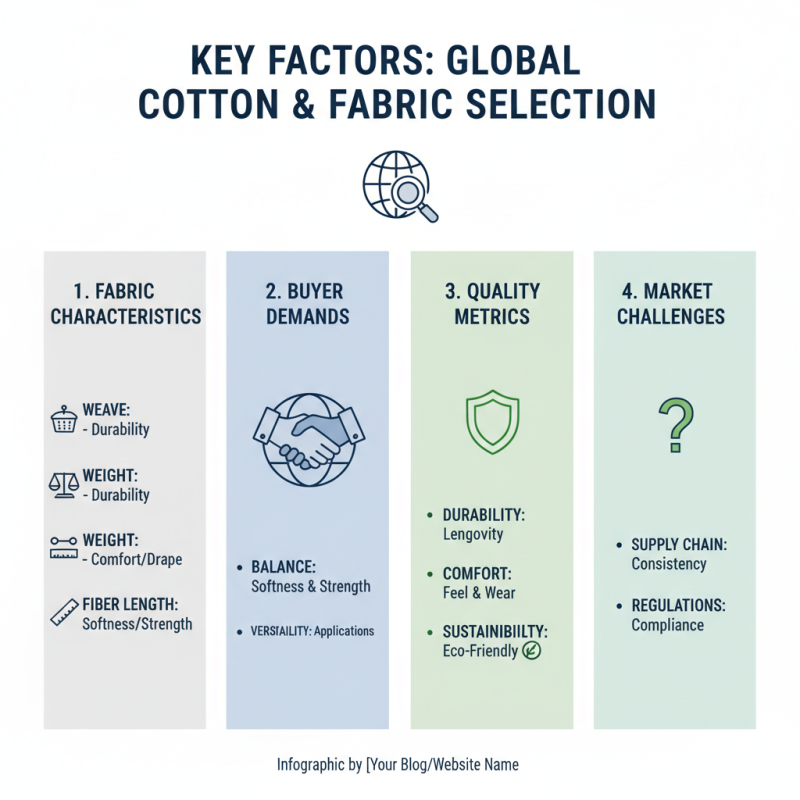
When selecting cotton and fabric for global markets, buyers face various challenges. Understanding the characteristics of different fabrics is essential. For instance, the weave, weight, and fiber length can significantly affect durability and comfort. Global buyers often look for materials that have a balance of softness and strength. Not every fabric meets these criteria.
Quality is a key factor in this selection process. Buyers must consider the origin of the cotton. Regions known for high-quality yields often provide better options. However, inspecting samples can prove difficult. It’s not always easy to assess fabric quality without physical samples. Incorporating feedback from suppliers helps refine choices but may not guarantee satisfaction.
Sustainability is increasingly important in fabric selection. Buyers need to evaluate the environmental impact of their choices. Practices that may seem beneficial today could face backlash in the future. Transparency about sourcing and production methods is crucial for building trust. The landscape is constantly changing, and adaptability is key for long-term success.
Emerging Markets for Cotton and Fabric Exports in 2026
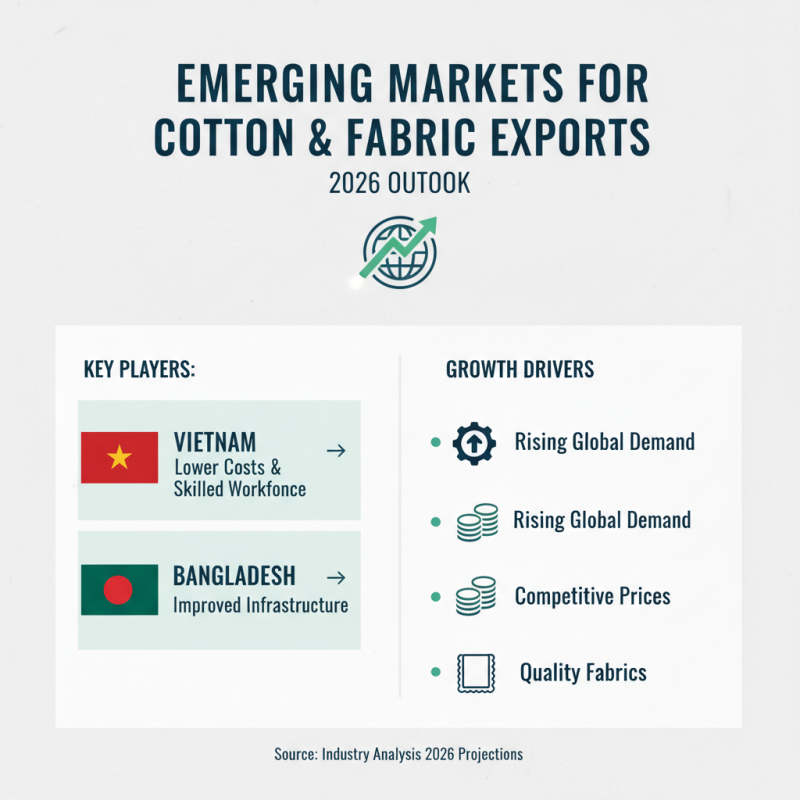
As the global demand for cotton and fabric continues to rise, emerging markets are carving a niche in this lucrative sector. In 2026, countries such as Vietnam and Bangladesh are expected to dominate exports. These nations benefit from lower production costs and a skilled workforce. Their infrastructure is steadily improving, allowing for more efficient manufacturing processes. Many buyers are turning to these regions seeking quality fabrics at competitive prices.
Despite the opportunities, there are challenges. Sustainability remains a significant concern. Emerging markets must address environmental impacts linked to cotton production. Water usage, pesticide application, and land management practices need careful oversight. Additionally, labor practices in some countries can be troubling. Ensuring fair wages and safe working conditions is vital. Buyers should be aware of these issues when sourcing materials.
Market dynamics are shifting as consumer preferences evolve. Eco-friendly fabrics are gaining traction, pushing traditional cotton to adapt. Innovation in fabric technology is emerging, alongside a rise in recycled materials. Companies that embrace these changes will likely capture a larger share of the market. The journey ahead is full of potential, yet requires a commitment to responsible practices.