2026 Top Raw Fabric Trends What Global Buyers Need to Know?
As the global textile industry evolves, understanding the latest raw fabric trends is essential. Raw fabric serves as the foundation for countless garments and products. A deep dive into its trends reveals fascinating insights for buyers and manufacturers alike.
The year 2026 promises to showcase innovative textures, sustainable materials, and unique color palettes. Buyers must consider various factors when selecting raw fabric. Quality, durability, and environmental impact play crucial roles in these decisions. Eyes are turning to biodegradable options and ethical sourcing. With these shifts, buyers face challenges in maintaining tradition while embracing innovation.
Navigating the complexities of raw fabric trends requires expertise. Understanding market demands and consumer preferences is paramount. The industry is not without its flaws, though. Sourcing high-quality raw fabric can be unpredictable. Buyers must remain adaptable and open to new ideas. Embracing these trends may lead to new opportunities in an ever-changing landscape.
Key Global Raw Fabric Trends Shaping the Industry in 2026
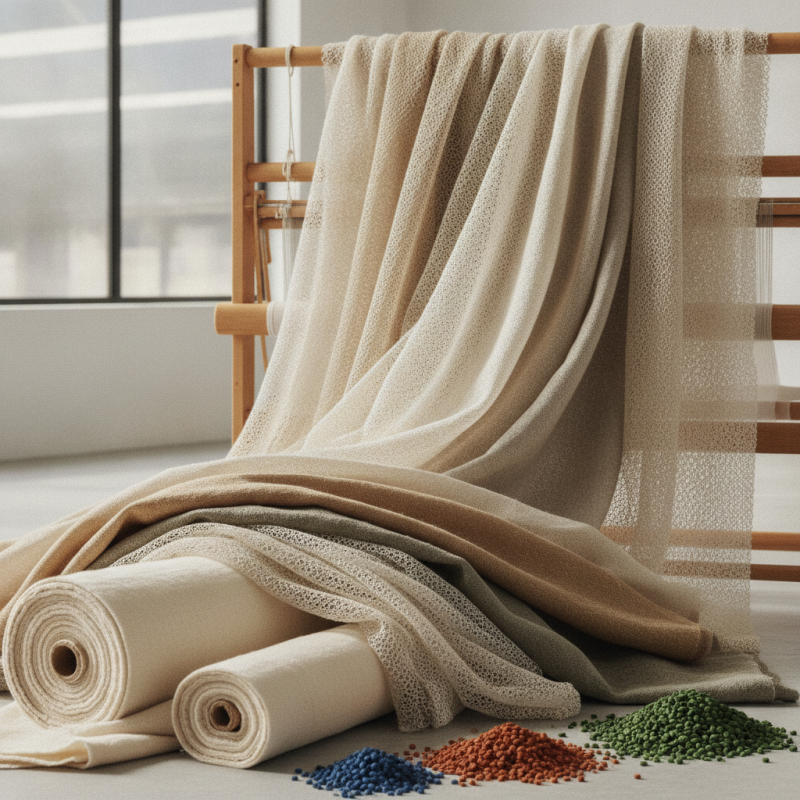
In 2026, raw fabric trends are set to redefine the global textile industry. Sustainability will be at the forefront. Buyers need to focus on eco-friendly materials that reduce environmental impact. Innovations like organic cotton and recycled polyester will gain traction. As consumers become more environmentally conscious, the demand for sustainable fabrics will continue to rise.
Tip: Stay informed about sustainable alternatives. Research new materials that can fit your product line. Attend industry fairs or workshops to discover what’s trending.
Color palettes will also evolve. Expect to see softer hues reflecting the growing preference for comfort and well-being. Textures will play a vital role in achieving this. Fabrics that are soft to touch will attract buyers. The balance between aesthetics and functionality will be crucial.
Tip: Experiment with samples. Analyze how different textures resonate with your target market. Understanding consumer preferences can guide your choices.
Flexibility in production will be essential. The ability to adapt quickly to changing trends can set buyers apart. Keeping an eye on emerging trends will be necessary for success. Raw fabric suppliers who can pivot will have an advantage in this dynamic market.
Sustainable Practices and Materials in the Raw Fabric Sector
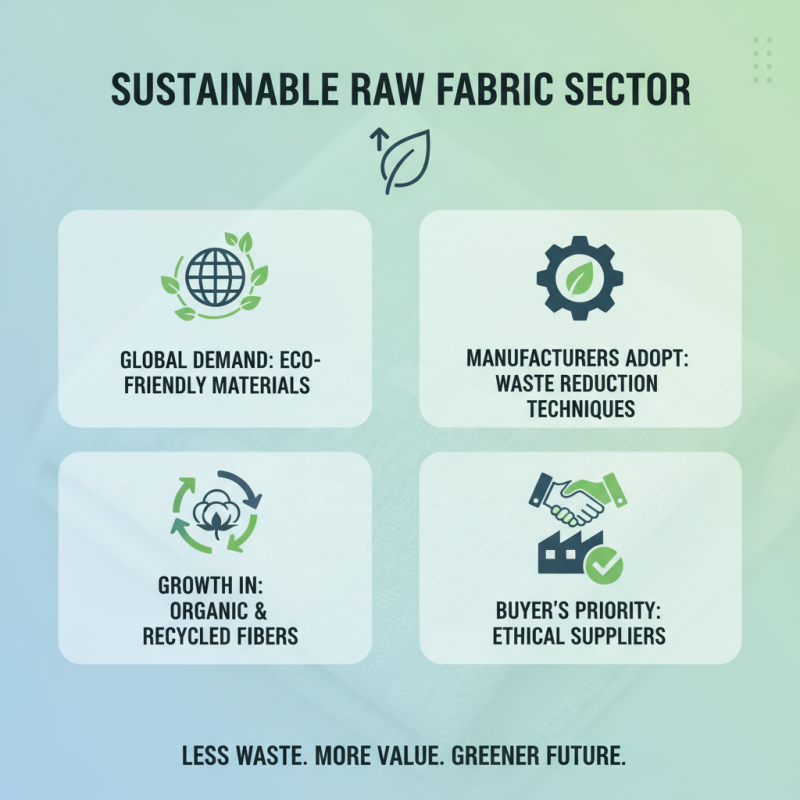
Sustainable practices are reshaping the raw fabric sector. Global buyers are increasingly seeking eco-friendly materials. The demand for organic fibers continues to rise. Manufacturers are adopting innovative techniques to reduce waste. For instance, using recycled fibers can significantly lower environmental impact. Buyers should prioritize suppliers who implement these practices.
The shift towards sustainable materials does hold challenges. Not all brands are transparent about their sourcing. Some labels may mislead consumers regarding eco-credentials. This makes it vital for buyers to research manufacturers thoroughly. Sustainable fabric trends include hemp, organic cotton, and recycled polyester. Each has its unique characteristics and applications.
Awareness of lifecycle assessments is crucial. These assessments evaluate a fabric's environmental footprint from production to disposal. By understanding these factors, buyers can make informed decisions. The journey towards sustainability in raw fabrics is still evolving. Yet, collaboration and commitment are pivotal for success in this sector.
Emerging Technologies Impacting Raw Fabric Production
Emerging technologies are revolutionizing raw fabric production in 2026. Innovations such as 3D weaving and digital printing enhance efficiency. According to a recent report from Textile World, these technologies can reduce production time by up to 40%. This helps brands respond faster to market trends.
Additionally, sustainability is gaining traction. Technologies like bio-based fibers and waterless dyeing are critical. The Ellen MacArthur Foundation reports that these methods can reduce water usage by 90%. Adopting such practices not only conserves resources but also meets consumer demand for eco-friendly products.
**Tip:** Keep an eye on biodegradable materials. They are likely to become mainstream.
As manufacturers adopt these new technologies, challenges remain. Integration costs can be high. Training staff on new processes may take time. Continuous engagement with technology providers is essential for overcoming these hurdles.
**Tip:** Regularly attend industry seminars. Networking can provide insights into best practices.
This evolving landscape requires flexibility. Buyers must remain informed on technological advances. Staying ahead ensures competitiveness in the global market for raw fabrics.
2026 Top Raw Fabric Trends: Key Insights for Global Buyers
This chart illustrates the market interest in various raw fabric trends as anticipated for 2026, highlighting a significant shift towards sustainable materials among global buyers. Sustainable cotton leads the interest, followed by recycled polyester and organic linen, marking a clear trend towards environmental consciousness in fabric production.
Market Demand Influencers for Raw Fabrics in 2026
In 2026, the landscape of raw fabric demand will be shaped by several key influencers. Sustainability continues to dominate market discussions. Buyers are leaning towards eco-friendly materials. This trend is driven by consumer awareness. Many prefer products that respect the environment. Organic cotton, recycled polyester, and bamboo fabrics are gaining traction.
The rise of technological innovation also impacts raw fabric choices. Smart textiles are becoming more prevalent. These fabrics can respond to environmental changes. Features like temperature regulation or moisture-wicking are appealing. Buyers are looking for versatility and functionality. However, integrating technology with fabric production raises questions about scalability and cost.
Global economic factors play a crucial role as well. Fluctuating raw material prices affect purchasing decisions. Supply chain disruptions remain a concern for many buyers. Geopolitical tensions can also influence availability. These complexities require a thoughtful approach from fabric buyers. Flexibility and adaptability are essential for making informed choices.
Regional Insights: Major Markets for Raw Fabrics Worldwide
The global raw fabric market is diverse and dynamic. Understanding regional insights is crucial for buyers. Different areas have unique preferences and trends. For instance, Asia remains a leader, especially with cotton and polyester fabric markets. Countries like China and India are rich in production capabilities. However, ethical sourcing must be prioritized. Sustainability is not just a trend; it’s a requirement now.
In Europe, innovation shapes the fabric industry. Eco-friendly materials are in high demand. Buyers require transparency regarding sourcing and production methods. The competition is intense, and brands must adapt quickly. Latin America shows promise too. There's increasing interest in natural fabrics like linen and wool. These markets are growing, but challenges such as limited infrastructure persist. Understanding these nuances can enhance a buyer’s strategic decisions.
Engaging with regional suppliers offers insights into local preferences. Buyers should explore partnerships that emphasize ethical practices. While the market can be unpredictable, awareness of trends can lead to better choices. Ignoring these dynamics may result in missed opportunities. It's essential for buyers to stay informed and agile in this ever-evolving landscape.