Best Polyester Mesh Fabric for Global Sourcing Needs?
In the ever-evolving world of textile production, **Polyester Mesh Fabric** has emerged as a vital component for various industries. According to a report from Market Research Future, the global demand for polyester fabrics is expected to reach $120 billion by 2023, reflecting its widespread application and importance. This fabric offers excellent breathability and durability, making it ideal for athletic wear, industrial applications, and home furnishings.
However, sourcing the right **Polyester Mesh Fabric** can be challenging. Various suppliers offer diverse grades and qualities. It’s crucial to assess these options based on specific project needs. Quality assurance is essential, yet many companies often overlook this factor. Problems like inconsistent quality can arise due to a lack of expertise among suppliers. This can impact the final product’s performance and longevity.
Additionally, sustainability is a growing concern in the textile industry. Reports indicate that synthetic fabrics account for nearly 60% of new clothing. Thus, the push for eco-friendly options raises questions about the sourcing processes of **Polyester Mesh Fabric**. The quest for reliable, high-quality materials is complicated yet necessary for meeting global standards. It is vital to address these challenges while searching for suppliers that prioritize both quality and sustainability in their offerings.
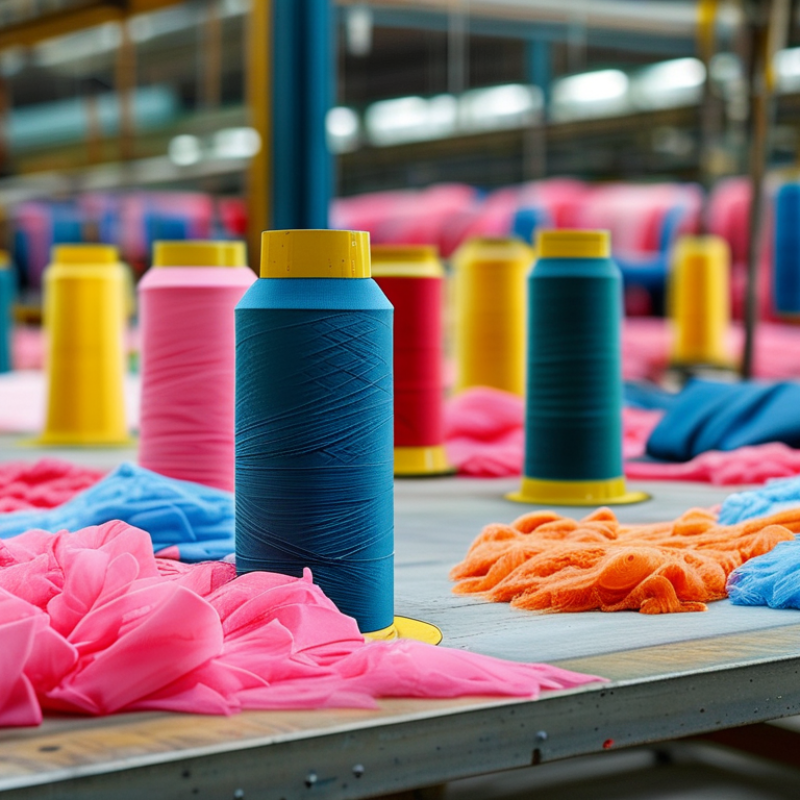
Understanding Polyester Mesh Fabric: Definitions and Characteristics
Polyester mesh fabric has gained significant attention in various industries due to its unique properties. Known for its durability and breathability, this material is often used in applications ranging from athletic wear to industrial filters. According to a report by Smithers Pira, the global market for polyester fabrics is projected to reach $162 billion by 2025, indicating robust demand.
Understanding polyester mesh fabric involves recognizing its lightweight nature and resistance to wrinkles. This fabric can withstand high levels of stress, making it suitable for both outdoor and indoor applications. It’s also moisture-wicking, promoting comfort in clothing and improving performance in activewear. However, not all polyester mesh is created equal. Variations in weave and thickness can significantly affect the fabric's performance and usability.
Tips: When sourcing polyester mesh, consider testing samples for breathability and durability. It's also wise to check certifications related to environmental standards, ensuring sustainability. Adjustments in production methods may help improve fabric quality, yet it’s essential to balance cost and performance effectively. Analyzing supplier capabilities is crucial to avoid mismatches in quality expectations.
Best Polyester Mesh Fabric Characteristics
Types of Polyester Mesh Fabrics: Exploring Different Weaves and Uses
Polyester mesh fabrics are versatile and widely used across various industries. Different weaves and constructions cater to specific needs, making polyester an excellent choice for global sourcing. According to a recent market analysis, the global polyester fabric market is projected to reach $78.6 billion by 2027, driven by its lightweight and durable nature.
Different types of weaves affect the fabric's performance. For instance, plain weaves offer basic strength and breathability, ideal for sportswear and outdoor gear. On the other hand, twill weaves provide enhanced durability and a more textured finish, suitable for industrial applications. A report by Textile World emphasizes that mesh fabrics with a higher thread count can improve airflow while maintaining structural integrity. However, these intricate patterns can lead to increased production costs, which is a concern for many manufacturers.
Despite their advantages, polyester mesh fabrics have drawbacks. While they resist wrinkles, they can be less breathable than natural fibers. This can impact comfort in warmer settings. Furthermore, some weaves may require additional treatments to enhance UV resistance, adding to the complexity. An industry survey noted that producers must balance cost and performance when selecting mesh types, underscoring the importance of informed decision-making in the sourcing process.
Key Factors in Global Sourcing of Polyester Mesh Fabric
When sourcing polyester mesh fabric globally, it's essential to consider several key factors. Quality is paramount. The fabric should meet specific industry standards for durability, breathability, and performance. Testing samples under real-life conditions can reveal much about their true quality. It's a step that should not be overlooked.
Price always plays a significant role in global sourcing. However, the cheapest option may not offer the best value. We must analyze the total cost of ownership, which includes shipping, tariffs, and potential defects. Some suppliers might have hidden fees that can inflate the price. Always clarify these terms before making a commitment.
Lastly, reliability of the supplier is crucial. Established manufacturers tend to have better quality control processes. Engaging with reputable suppliers who offer transparency can mitigate risks. However, it can be tempting to negotiate lower prices with less experienced suppliers. Assessing their track records and asking for references can help ensure a smoother sourcing experience. Keep these considerations in mind to make informed decisions in global sourcing.
Top Manufacturers and Suppliers of Polyester Mesh Fabric Worldwide
When sourcing polyester mesh fabric globally, understanding the top manufacturers and suppliers is essential. Hybrid mesh materials are frequently utilized in various industries, from athletic wear to filters. The versatility of polyester mesh makes it a popular choice for many applications. Suppliers in regions such as Asia and Europe often provide diverse product ranges. This diversity can meet specific requirements efficiently.
Working with reliable suppliers is key. Examine their certifications and quality control processes. A transparent supply chain often leads to better quality. Look for suppliers that prioritize sustainable practices. Environmentally friendly options can set your products apart.
Tip: Attend industry trade shows to meet potential suppliers face-to-face. Building relationships while discussing specifics will enhance your sourcing experience.
Another aspect to consider is testing the fabric before placing large orders. Small batches will allow you to assess quality firsthand. Keeping your quality criteria strict can help avoid disappointments.
Engaging with experienced professionals in the industry can provide valuable insights. They may offer perspectives that lead to better sourcing decisions. Adapting to market trends and understanding customer needs is crucial in this dynamic environment.
Trends and Innovations in Polyester Mesh Fabric for Diverse Industries
Polyester mesh fabric has seen remarkable trends and innovations in various industries recently. Its versatility makes it a popular choice across multiple applications, from sportswear to industrial uses. Increased demand for breathable and durable materials has led to advancements in weaving techniques and fabric treatments. Manufacturers now aim for a balance between functionality and comfort, addressing the needs of an environmentally conscious market.
In the realm of fashion, polyester mesh is being utilized for trendy athleisure wear and casual attire. Its ability to wick moisture and dry quickly appeals to both active consumers and designers. However, the challenge lies in ensuring the fabric maintains its structural integrity over time. Some polyester meshes can degrade faster than expected when exposed to harsh conditions. It's crucial to evaluate the long-term performance of these fabrics.
Tips: When sourcing polyester mesh, consider the specific requirements of your project. Investigate the fabric's durability, breathability, and eco-friendliness. Testing samples before making large orders can prevent unexpected issues. Remember, not all polyester meshes are created equal; understanding their differences can enhance your sourcing strategy. This attention to detail can significantly impact the final product quality.