Best Polyester Stretch Material for Global Sourcing Needs?
In the realm of textiles, sourcing the right materials is crucial. Polyester Stretch Material has become a popular choice for various applications, offering flexibility and durability. Industry expert Dr. Emily Tran notes, "Polyester Stretch Material balances comfort with performance." This duality has made it essential in fashion and activewear.
The demand for Polyester Stretch Material is growing. From athletic clothing to stylish everyday wear, its versatility attracts designers. Many brands seek sustainable options, pushing innovation in this sector. However, not all sources are equal. Quality can vary, and some suppliers may prioritize cost over integrity.
Global sourcing can be complex. It's vital to evaluate every supplier meticulously. Missteps can lead to poor product performance. Companies must reflect on their choices. Selecting Polyester Stretch Material requires due diligence. The right partner can elevate a brand’s reputation.
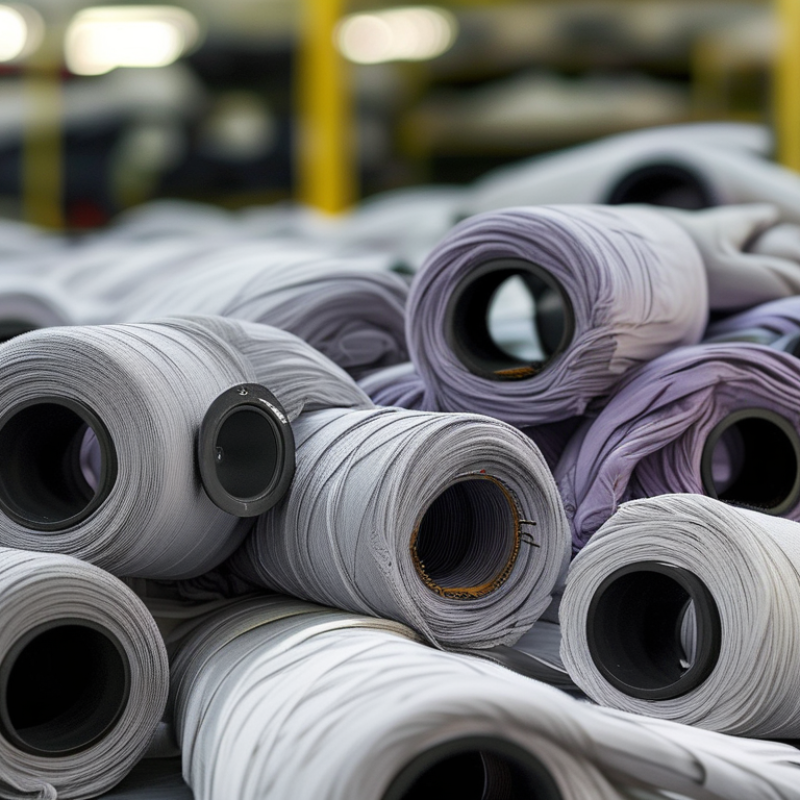
Best Polyester Stretch Material for Global Sourcing Needs: An Overview
When it comes to global sourcing, finding the best polyester stretch material is crucial. This fabric offers elasticity and durability, making it a favorite for various industries. Its lightweight nature adds comfort for end-users. However, this versatility also raises questions about sourcing quality. Not all polyester fabrics are created equal.
Global suppliers may present different grades of polyester stretch materials. Some may not meet performance standards, leading to issues in production. Conducting due diligence is essential. Testing samples and reviewing supplier credentials can help ensure reliability. Availability and consistency in supply are other factors to consider. They significantly impact production timelines and costs.
The sourcing landscape is dynamic and challenging. Trends shift, and new materials emerge. Staying informed about industry innovations is vital for making the right choices. Networking with industry professionals can provide valuable insights. Balancing cost and quality requires ongoing reflection. Aim for materials that sustain long-term use while being budget-friendly.
Key Properties of Polyester Stretch Materials in the Textile Industry
Polyester stretch materials have become essential in the textile industry due to their unique properties. These materials combine the durability of polyester with the flexibility required for various applications. According to the Fiber Economics Bureau, polyester accounts for approximately 55% of global fiber production. This remarkable figure highlights polyester's significance in modern textiles.
The key properties of polyester stretch materials include excellent elasticity and recovery. They can stretch up to 30% of their original length and return to form without losing shape. Additionally, they offer moisture-wicking capabilities, making them suitable for activewear. The global activewear market is projected to reach $546 billion by 2024, indicating a rising demand for materials that combine comfort and performance.
However, challenges remain. Some polyester stretch fabrics can degrade over time, especially when exposed to high temperatures or harsh chemicals. The issue of microplastic pollution from polyester is also a growing concern, as studies suggest that up to 1.7 million microplastics can be released per wash. This necessitates a deeper investigation into sustainable sourcing and production processes in the textile industry.
Best Polyester Stretch Material Properties
Market Trends: Demand for Polyester Stretch Fabrics in Apparel and Beyond
The demand for polyester stretch fabrics continues to soar in the apparel industry. This trend is driven by the need for comfort and flexibility in clothing. Consumers increasingly prefer garments that allow for movement and adaptability. As fashion evolves, polyester's versatility makes it a popular choice for various applications beyond clothing.
Recent market analysis shows a notable rise in the use of polyester stretch in activewear and casual wear. The material provides benefits like moisture-wicking and durability. These properties cater to a growing audience focused on functionality. However, sourcing high-quality polyester stretch material poses challenges. Not all suppliers meet the required standards. Businesses must ensure they choose reliable partners who prioritize quality and sustainability.
In addition, environmental concerns continue to shape consumer preferences. People are more conscious of the materials used in their clothing. This awareness encourages brands to explore eco-friendly alternatives. The industry must adapt to these changing demands while balancing cost-effectiveness and quality. As sourcing needs become more complex, flexibility and creativity in material selection will be key to success.
Sourcing Strategies: Evaluating Global Suppliers for Polyester Stretch Materials
When sourcing polyester stretch materials globally, understanding supplier reliability is crucial. Different regions offer varying qualities and production capabilities. For example, some suppliers focus on high elasticity, while others excel in durability. Evaluating these strengths can ensure better alignment with specific project needs.
One essential aspect is communication with suppliers. Clear communication helps to set expectations about material characteristics. However, cultural differences might sometimes complicate dialogues. It's vital to embrace these challenges and learn from interactions. Conducting audits of potential manufacturers can provide insights into their production practices. This step is often overlooked yet is necessary for ensuring product consistency.
Quality control measures must be established early in the process. Even with a trustworthy supplier, the risk of receiving subpar materials remains. Establishing a robust inspection protocol can mitigate this issue. It's also wise to review past client feedback. They often share valuable lessons that guide better decision-making in material selection. Be prepared for occasional setbacks and use them to refine sourcing strategies. Emphasizing details in every communication can lead to a stronger relationship with suppliers.
Sustainability Considerations: Eco-Friendly Options in Polyester Stretch Fabrics
The growing concern for sustainability drives innovation in polyester stretch fabrics. Many manufacturers are now leveraging recycled polyester. The Global Recycled Polyester Market is projected to reach USD 12.08 billion by 2028, growing at a CAGR of 8.6%. This trend reflects the increasing demand for eco-friendly materials in the textile industry.
Brands are shifting towards using post-consumer waste. This method significantly reduces the carbon footprint associated with virgin polyester production. For example, creating recycled polyester can consume up to 80% less energy. However, challenges remain in the recycling process, such as maintaining material quality. As more companies adopt this practice, the existing systems must improve efficiency.
Eco-friendly dyes and treatment processes also play a role. Traditional dyeing methods pose environmental issues, including water pollution. Innovative techniques, such as digital printing, minimize waste and water usage. Yet, the industry still grapples with the balance between performance and environmental impact. Stakeholders must continue to promote sustainable practices while seeking high-quality solutions.
Best Polyester Stretch Material for Global Sourcing Needs? - Sustainability Considerations: Eco-Friendly Options in Polyester Stretch Fabrics
| Material Type |
Recycled Content (%) |
Biodegradability |
Certifications |
Applications |
| Polyester Spandex Blend |
30% |
No |
Global Recycle Standard |
Activewear, Swimwear |
| Recycled Poly Stretch |
100% |
Yes |
GOTS, OEKO-TEX |
Athleisure, Apparel |
| Eco-Friendly Polyester |
50% |
No |
REACH Compliant |
Casual Wear, Fashion |
| Organic Cotton and Polyester Blend |
40% |
Yes |
OEKO-TEX, GOTS |
T-Shirts, Dresses |