How to Choose the Best Jersey Knit Fabric for Your Projects?
Choosing the right Jersey Knit Fabric for your projects can significantly impact the outcome. This fabric is popular among crafters and designers due to its versatility and comfort. With various options available, it might feel overwhelming to make a decision.
Consider the weight and stretch of the Jersey Knit Fabric. These elements affect how your project will drape and fit. Lighter weights are great for t-shirts, while heavier options work well for dresses or activewear. Take the time to examine fabric textures and patterns that align with your vision.
Not every Jersey Knit Fabric is suitable for all projects. It’s essential to reflect on your needs and preferences. Quality can vary widely between brands, so choose wisely. Selecting the right fabric is not just about aesthetics; it influences functionality and durability. Your project deserves the best Jersey Knit Fabric to shine.
Understanding Jersey Knit Fabric: Characteristics and Benefits
Jersey knit fabric is beloved for its stretchy, comfortable nature. It is a staple in the fashion industry, particularly for casual wear. One of its primary characteristics is its elasticity, which allows the fabric to fit snugly against the body while providing ease of movement. According to industry reports, the global jersey knit fabric market is projected to grow by 4.5% annually, indicating its increasing popularity.
The benefits of jersey knit are substantial. It is breathable, which makes it an excellent choice for activewear. The fabric drapes beautifully, enhancing the fit of garments. Easy to care for, jersey knit typically requires minimal maintenance. However, it can snag and pill if not cared for properly. Understanding these traits can guide your selection.
When choosing jersey knit fabric, consider its weight and stretch. Lighter weights are suitable for t-shirts and dresses. Heavier options work well for more structured garments. Reflect on your project’s needs. Some jersey knits may fade over time. Always test a small fabric sample before committing to a large purchase. Evaluate your choices carefully.
How to Choose the Best Jersey Knit Fabric for Your Projects?
| Characteristic |
Description |
Benefits |
| Stretchability |
Jersey knit fabric is highly stretchable and elastic due to its knit structure. |
Ideal for fitted garments such as t-shirts and leggings. |
| Softness |
The fabric is soft to the touch, providing a comfortable wear. |
Great for everyday clothing, enhancing comfort. |
| Breathability |
Jersey knit allows air circulation, making it breathable. |
Suitable for warm weather wear; helps in moisture wicking. |
| Durability |
While soft, jersey knit fabric is also quite durable. |
Holds up well in wash and wear; long-lasting garments. |
| Versatility |
Available in various weights, colors, and patterns. |
Perfect for a variety of projects, from activewear to casual wear. |
Types of Jersey Knit Fabric: Differences and Uses
When selecting jersey knit fabrics, understanding their types and uses is essential. Jersey knit fabrics are typically classified into cotton, rayon, and blended varieties. Cotton jersey is soft and breathable, making it ideal for casual wear and children's clothing. Its comfort level is high, but it may lose shape over time.
Rayon jersey, on the other hand, drapes beautifully. This makes it great for more structured designs like dresses or fitted tops. However, it can be less durable and may require special care. Blended jerseys combine fibers like polyester or spandex. These fabrics often offer the best of both worlds—comfort and stretch. They're practical for activewear but might lack the softness of pure cotton.
Consideration of the texture and weight is also crucial. Light-weight jerseys are perfect for layering, while heavier options work for year-round garments. Each type of jersey knit has pros and cons. Planning your projects will help in choosing the right fabric. Reflect on the intended use and desired finish for your garment.
Types of Jersey Knit Fabric: Differences and Uses
Evaluating Fabric Weight: Choosing the Right Thickness
When choosing jersey knit fabric, weight is a crucial factor. Fabric weight directly influences drape and comfort. Whether you seek a lightweight option for summer or a heavier version for winter, understanding weight is key. Light jersey is soft and airy. It dances with movement and provides excellent breathability. This fabric is ideal for casual wear and layering.
On the other hand, heavier jersey knit offers warmth and structure. It is perfect for creating fitted garments like dresses or activewear. This type of fabric holds its shape well, making it suitable for tailored designs. However, it can sometimes restrict movement, which is worth considering. Always test samples, as weights can vary even within the same category.
Choosing the right thickness can be tricky. Too light, and the fabric may feel flimsy. Too heavy, and it might be uncomfortable for your intended use. Reflecting on your project’s purpose helps clarify your choice. Experimenting with different weights allows for discovery. It can lead to unexpected results that can refine your vision. Consider all aspects before making a decision.
Considerations for Stretch and Recovery in Jersey Knit
When choosing jersey knit fabric, stretch and recovery are crucial factors. Jersey knit is known for its excellent stretch. This characteristic makes it ideal for garments like t-shirts and leggings. However, not all jersey knits perform equally. Some fabrics may stretch out over time, losing their shape after several washes. It’s essential to check the fabric's recovery. Look for materials that bounce back to their original shape after being stretched.
Different types of jersey knit offer varying degrees of stretch. Lightweight jersey is typically more stretchy but may lack durability. Heavier knits provide better structure but may not be as flexible. Consider the project type when selecting your fabric. A snug-fitting dress may need a lighter, more elastic jersey, while a looser style could benefit from a heavier option.
Testing fabric samples can help in your decision-making process. Wrap the material around your hand; if it fits snugly and returns to shape, it’s a good choice. Strong recovery assures that your garment will retain its style over time. Reflecting on these aspects can save you frustration in future projects. Prioritizing quality will lead to better sewing experiences.
Selecting Patterns and Colors for Your Project Needs
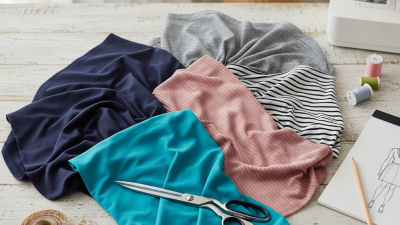
Choosing the right patterns and colors for jersey knit fabric can elevate your sewing projects. Start by considering the project type. For casual wear like t-shirts, opt for vibrant colors and playful patterns. Think stripes or polka dots that add a fun touch. Solid colors work well for more sophisticated pieces. They can be easily paired with other garments.
Next, reflect on the intended audience. If you’re sewing for children, bold colors are appealing. Cartoon prints can spark imagination. For adults, something more muted or elegant often suits better. Fabrics with floral prints or geometric designs can enhance the wardrobe while staying trendy. Remember, personal preferences matter too.
Lastly, pay attention to fabric weight. Lighter jersey knits flow nicely for draped designs. Heavier options provide structure. Balance your choice of patterns and colors with the fabric weight to achieve the desired outcome. Explore swatch books or fabric samples, and don't be afraid to mix and match until you find the perfect combination. Experimenting will lead to growth in your design skills.