How to Choose the Right Polyester Mesh Fabric for Your Needs?
Choosing the right polyester mesh fabric can be daunting, given the variety of options available. Experts like Dr. Emily Carter, a renowned textile engineer at the Fabric Institute, emphasize the importance of this decision. “The right mesh can significantly impact durability and functionality,” she states. Understanding your specific needs is crucial when selecting polyester mesh fabric.
When considering polyester mesh fabric, think about factors like weight, breathability, and mesh size. Different applications require different properties. For sportswear, lightweight and breathable options work best. In contrast, industrial applications might require heavier, more robust materials. The choice will depend on what you prioritize—comfort, strength, or UV resistance.
Many people overlook the importance of testing samples before committing. Without practical tests, you might face unexpected issues later. The world of polyester mesh fabric is broad, with many choices that could either meet or fail to meet your expectations. Reflecting on your specific application and how mesh characteristics align with those needs is essential for success.
Understanding Polyester Mesh Fabric: Properties and Benefits
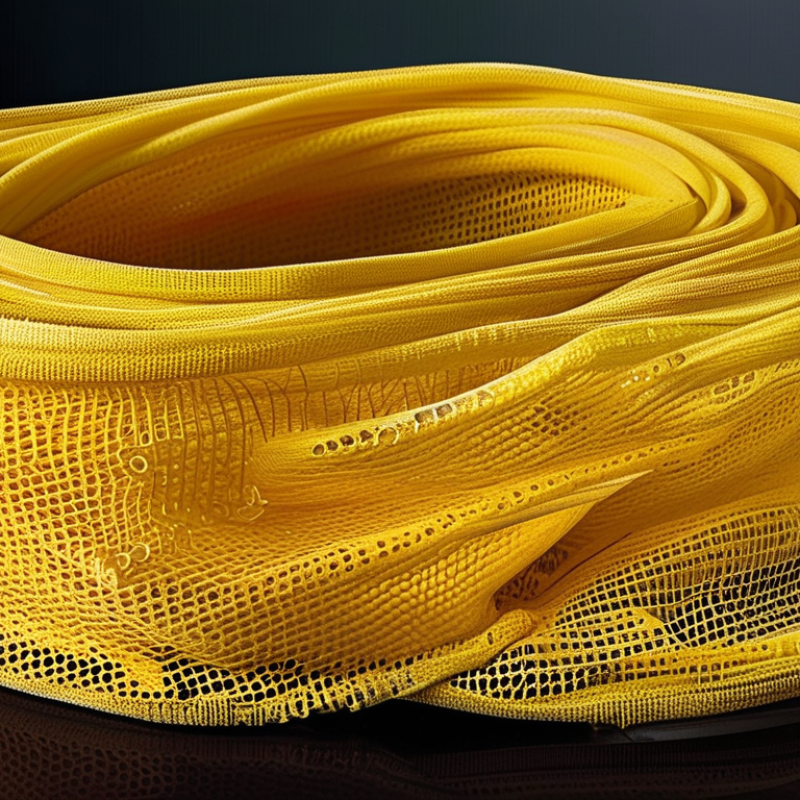
Polyester mesh fabric is widely used for its unique properties. This fabric is lightweight, durable, and resistant to wrinkles and shrinking. According to a recent industry report, polyester mesh accounts for roughly 25% of the total mesh fabric market. Its breathability makes it ideal for applications like apparel and outdoor gear. The smooth texture also enhances comfort, a crucial factor for long-term use.
One key benefit of polyester mesh is its moisture-wicking ability. Fabrics with this property can absorb sweat and moisture, transferring it away from the body. Studies have shown that polyester mesh can improve comfort levels by up to 30% in outdoor and active wear. Additionally, it is easy to clean and maintain, contributing to its popularity. However, these benefits may come at a cost. Some polyester meshes may feel less breathable under extreme heat, causing discomfort.
Another aspect to consider is UV resistance. Certain polyester mesh fabrics can block up to 90% of harmful UV rays. Yet not all polyester meshes offer the same level of protection. This variability requires careful selection to meet specific needs. Users should evaluate the fabric based on its intended use, balancing performance attributes with comfort requirements. The choice of polyester mesh can result in significant differences in usability and user experience.
Polyester Mesh Fabric Properties Comparison
Identifying Your Specific Needs for Polyester Mesh Fabric
Choosing the right polyester mesh fabric starts with understanding your specific needs. Consider the intended use. Will it be for clothing, upholstery, or industrial applications? Each use has different requirements regarding durability and breathability. A lightweight mesh is often suitable for clothing, while heavy-duty versions are better for industrial purposes.
Some fabrics specialize in moisture-wicking properties. If your project needs that feature, look for options labeled specifically for athletic use. The mesh's weave pattern also influences its strength and flexibility. Open weaves allow for better air flow, making them ideal for outdoor applications.
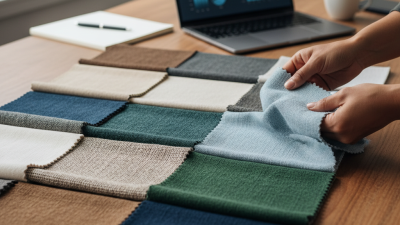
When shopping for polyester mesh, always request samples. Testing the fabric can reveal much about its feel and performance. Remember that not all polyester is created equal. Weight and threading can impact the overall quality. Deciding between a smooth or textured finish can also affect aesthetics and functionality. Finding the right balance is essential, as this can enhance or hinder your project's success. Reflect on these factors for better decision-making.
Evaluating Different Types of Polyester Mesh Fabrics
When evaluating different types of polyester mesh fabrics, it's essential to consider their unique properties and applications. Polyester mesh comes in various weaves, weights, and finishings. Lightweight mesh, for example, may provide breathability but lacks the durability needed for heavy-duty applications. According to industry reports, the demand for durable polyester mesh fabrics is projected to grow by 5% annually. This growth highlights the importance of choosing fabrics that align with your specific needs.
Consider the intended use of the fabric. For sportswear, a tightly woven mesh could enhance moisture-wicking capabilities. Conversely, a looser weave may be better suited for casual apparel, allowing for air circulation. In fact, research indicates that tighter weaves can reduce airflow by up to 30%. This reduction may impact comfort during physical activities. Always test the fabric against your practical requirements.
Lastly, don't overlook the finishing process. Treatments like UV resistance or water repellency add functionality to polyester mesh fabrics. Reports suggest that over 70% of consumers prefer fabrics with these added features. However, these finishes can sometimes lead to environmental concerns, urging manufacturers to seek more sustainable solutions. Thus, evaluating the type of polyester mesh fabric involves a balance between functionality, sustainability, and cost-effectiveness.
Important Factors to Consider When Choosing Polyester Mesh
Choosing the right polyester mesh fabric involves understanding several key factors. First, consider the mesh's weight and thickness. Lighter fabrics are more breathable but less durable. Heavier options provide strength but can feel restrictive. Evaluate how much airflow you need for your specific application.
Next, pay attention to the weave pattern. Different weaves impact the look and functionality of the mesh. A tighter weave offers better strength while a looser weave may increase flexibility. Think about where and how you will use the fabric. A miscalculation here may lead to subpar performance.
Finally, examine the fabric’s chemical resistance and UV stability, especially for outdoor use. Some polyester meshes may degrade quickly under sunlight or harsh conditions. Testing small samples can help determine how the fabric behaves. Reflecting on these factors will guide you towards making an informed decision.
Applications of Polyester Mesh Fabric in Various Industries
Polyester mesh fabric finds its way into various industries thanks to its versatility and durability. In the medical sector, it is used for surgical gowns and masks. This fabric provides breathability and protection, essential for patient safety. Its lightweight properties make it comfortable for long wear. In manufacturing, polyester mesh is crucial. It serves as filters in liquid and air systems. Its strength withstands harsh conditions, which enhances operational efficiency.
Fashion and sports apparel also utilize polyester mesh. Its moisture-wicking capability keeps athletes dry during intense activities. Designers favor it for its ability to hold vibrant colors without fading. However, choosing the right mesh requires careful consideration. The weave density affects breathability and durability, impacting the end use.
Drafting a list of requirements can simplify the selection process. Evaluate the specific needs of your project. Assess factors like strength, stretchability, and environmental conditions. Consider testing samples before making a bulk purchase. Experience shows that not all polyester mesh performs the same. Exploring multiple options helps avoid unexpected issues in production.
How to Choose the Right Polyester Mesh Fabric for Your Needs? - Applications of Polyester Mesh Fabric in Various Industries
| Application |
Fabric Type |
Weight (g/m²) |
Hole Size (mm) |
UV Resistance |
Water Resistance |
| Agriculture |
Open Weave Polyester Mesh |
120 |
2.0 |
High |
Moderate |
| Construction |
Heavy Duty Polyester Mesh |
250 |
6.0 |
Moderate |
High |
| Sports Gear |
Breathable Mesh |
150 |
3.0 |
Moderate |
Low |
| Medical |
Sterilizable Mesh |
180 |
1.0 |
High |
Moderate |
| Transportation |
Reinforced Polyester Mesh |
300 |
8.0 |
High |
High |