Top Garments Fabric Trends for 2026 What to Expect?
As we look towards 2026, the landscape of garments fabric is poised for significant transformation. Industry expert Julia Morgan, a renowned fabric technologist, emphasizes, “Innovation in textiles is crucial for sustainability and style.” This statement encapsulates the dual focus of the future trends: eco-friendliness and cutting-edge design.
In the coming years, consumers will demand fabrics that not only appeal visually but also contribute positively to the environment. Natural fibers will likely gain prominence, alongside advancements in synthetic materials that are both durable and sustainable. The interplay between comfort and function will define the trajectory of garments fabric.
However, as the industry evolves, it must also confront challenges. Fast fashion’s impact and resource depletion raise critical questions. Companies need to balance innovation with ethical responsibilities. The future of garments fabric should not only be about trends but also about mindful practices that honor both the planet and the people.

Emerging Fabric Innovations to Watch in 2026
As we approach 2026, the fabric industry is poised for exciting developments driven by innovation. The rise of digital printing technologies is creating endless possibilities. According to a recent report by Mordor Intelligence, the global textile printing market is expected to grow at a CAGR of 13.6% from 2021 to 2026. This surge is reshaping how we view fabric production. Natural fabrics infused with digital patterns will dominate, appealing to eco-conscious consumers.
Sustainability remains a pressing concern. Innovations in biofabrication are emerging as a key focus. These processes leverage organic materials to create fibers. Research from the Textile Research Journal highlights that over 70% of consumers prefer eco-friendly fabrics. However, the challenge lies in mass production. Balancing cost, scalability, and environmental impact requires thoughtful solutions. The industry must reflect on whether current methods meet these standards without compromising quality.
Moreover, smart textiles are on the horizon. Fabrics embedded with technology promise enhanced functionality. Reports from Statista estimate that the smart clothing market will reach $5.6 billion by 2026. Yet, the integration of such technologies raises questions about durability and care. Ensuring that consumers can easily maintain these fabrics is essential for widespread acceptance. The path ahead in fabric innovation is filled with both promise and complexity.
Sustainable Materials Revolutionizing Garment Production
The garment industry is undergoing a significant transformation. Sustainable materials are leading the charge in revolutionizing production processes. This shift is not just a trend; it's a response to urgent environmental concerns. Brands and manufacturers are seeking alternatives to traditional fabrics that often harm the planet.
Innovative materials are emerging from various sources. Organic cotton, recycled polyester, and Tencel are gaining attention for their lower environmental impact. These materials help reduce waste and lower carbon footprints. Yet, there is an ongoing challenge. Not every sustainable fabric meets performance standards. Some lack durability, raising questions about their viability for long-term use.
Education and research play crucial roles in this shift. As experts examine sustainable options, they highlight both benefits and limitations. While many consumers embrace eco-friendly choices, they may not understand the complexities involved. Designers must balance sustainability with functionality. It's a delicate process that requires careful consideration and ongoing refinement. The industry has made strides, but the journey towards a fully sustainable future is far from over.
Top Garments Fabric Trends for 2026
Technological Advancements in Textile Manufacturing
The textile industry is on the brink of a revolution, driven by technological advancements. In 2026, we can expect smarter fabrics that react to environmental changes. These innovations may involve fabrics that regulate temperature or even change color with heat or light. Such functionalities could enhance both comfort and style.
Additionally, digital printing technologies are evolving rapidly. This allows for intricate designs to be created and produced with minimal waste. The benefits include a reduction in production costs and time. However, reliance on machines raises concerns about job displacement in traditional manufacturing sectors.
Sustainability is another issue. Innovations often come with a carbon footprint. While new materials can reduce waste, their production must be monitored. Understanding the life cycle of textiles remains vital. How can we balance innovation with eco-friendliness? Exploring these questions is essential as we navigate this exciting yet uncertain landscape.
Color and Pattern Trends Influencing Fabric Design
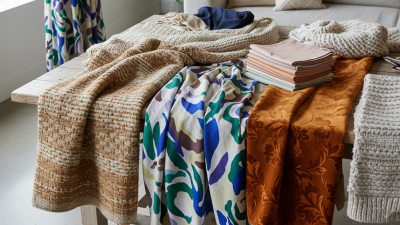
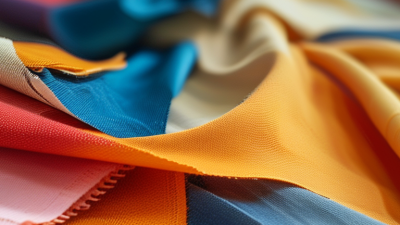
As we look ahead to 2026, the influence of color and pattern on fabric design becomes increasingly evident. Bold and unexpected color combinations are set to dominate the landscape. Rich jewel tones, along with soft pastels, will create exciting contrasts. Designers are experimenting with blending colors to evoke emotions. This approach can sometimes feel chaotic, yet it adds a layer of intrigue to garments.
Patterns are also evolving significantly. Geometric shapes and abstract designs will gain traction, offering a sense of modernity. However, traditional floral and paisley patterns are making a remarkable comeback. The challenge lies in balancing these contrasting styles without overwhelming the observer. Mixing and matching can yield refreshing results, but it requires a thoughtful approach.
Sustainability remains a pressing concern. Designers are urged to consider the environmental impact of dyeing processes and fabric choices. Innovative eco-friendly dyes will emerge, providing alternatives to conventional practices. Yet, these developments are not without hurdles. Sustainability needs to be factored into color trends, and not all options may meet high design standards. Reflecting on these dynamics highlights an important conversation in the fashion industry.
Consumer Preferences Shaping Future Fabric Choices
Consumer preferences are driving shifts in the garment fabric industry. According to a recent report by Textile Exchange, sustainability is becoming a primary focus. Around 66% of consumers prefer brands that prioritize eco-friendly materials. This statistic highlights the growing demand for organic, recycled, or low-impact fabrics. The desire to reduce environmental impact is reshaping designers' choices, pushing them toward innovative, sustainable fabrics.
Additionally, the quest for comfort is influencing fabric trends. A survey by WGSN indicates that 72% of consumers prioritize comfort in their clothing. Fabrics that offer softness, breathability, and flexibility will gain popularity. Performance-driven materials are also in demand for activewear. 56% of respondents are looking for moisture-wicking or temperature-regulating textiles. This trend suggests that functional fabrics will play a critical role in 2026.
Yet, not all brands strike the right balance between aesthetics and ethics. Some fail to meet the high expectations consumers set for sustainability. The disconnect between consumer demand and actual product offerings creates a unique challenge. Companies must navigate these preferences carefully to avoid losing market share in a competitive landscape. Without a conscious approach, they risk alienating their environmentally aware clientele.