China Top Jersey Cotton Suppliers for Global Buyers?
The demand for Jersey Cotton has surged globally, making China a prominent player in this sector. Known for its softness and durability, Jersey Cotton is a favored choice for apparel manufacturers. Numerous international buyers seek reliable suppliers who can deliver high-quality materials.
China’s Jersey Cotton suppliers have established themselves with a blend of tradition and innovation. They provide a wide range of fabrics that cater to various markets, from high-end fashion to everyday wear. Understanding the nuances of sourcing this material is crucial. Buyers must be aware of quality control, ethical sourcing, and production timelines.
Yet, navigating this landscape isn't always straightforward. Buyers may face challenges like fluctuating prices and varying quality standards. Researching suppliers, exploring reviews, and establishing clear communication can help mitigate these issues. Jersey Cotton's appeal continues to grow, but it requires diligence from buyers to ensure they work with reputable suppliers.
China's Role in the Global Jersey Cotton Market
China plays a pivotal role in the global jersey cotton market. The country is one of the largest producers and exporters of jersey cotton fabric. In 2022, China's export volume of jersey cotton reached approximately 1.5 billion USD. This significant figure highlights China's domination in this sector.
Demand for jersey cotton continues to grow internationally. Data from the International Cotton Advisory Committee indicates that global consumption is projected to rise by 5% annually. This growth opens doors for suppliers in China. Manufacturers in China are known for their cost-efficiency and ability to meet large orders. However, not all suppliers maintain stringent quality control, which can lead to inconsistencies in product quality.
Tips: When sourcing jersey cotton from China, inquire about quality certifications. Check for reviews and feedback from previous buyers. Establishing a reliable relationship with suppliers can mitigate risks and ensure smoother transactions. Market volatility can affect prices, so staying informed is essential. Be cautious about sourcing from new or unverified suppliers to avoid potential pitfalls.
Top Features of Jersey Cotton Supplied by Chinese Manufacturers
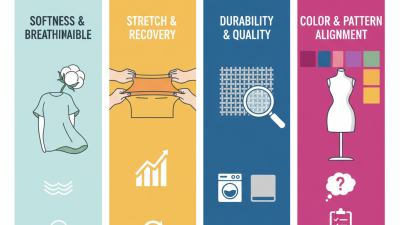
Jersey cotton from China has become a popular choice for global buyers. This fabric is known for its softness and durability. It's widely used in apparel, especially in t-shirts and loungewear. Chinese manufacturers excel in creating versatile, breathable jersey cotton that meets diverse needs.
When choosing jersey cotton, consider its weight and stretchability. The fabric should feel comfortable against the skin. A good jersey cotton should maintain its shape after multiple washes. Quality varies, so checking the fabric’s density and weave is wise.
Tips for sourcing jersey cotton: Always ask for fabric samples before making bulk orders. This can help you assess the quality firsthand. Additionally, inquire about the manufacturer’s certifications. Reliable suppliers often adhere to global standards. Remember, not all jersey cotton is created equal, and being critical in your selection is essential.
Leading Chinese Suppliers of Jersey Cotton: An Overview
When exploring the landscape of jersey cotton suppliers in China, it's essential to recognize key players in this sector. Jersey cotton is prized for its softness and stretch, making it a favorite in the apparel industry. Some suppliers have built solid reputations based on years of experience. They understand market demands and strive to meet them efficiently. However, not all suppliers offer the same level of quality.
Many Chinese suppliers excel in production capacity. They use advanced techniques to ensure consistency. Yet, there are concerns about sustainability practices. Not every manufacturer prioritizes eco-friendly methods. This gap raises questions about the long-term impact on the environment. Buyers need to delve deeper into suppliers' sourcing practices.
Additionally, communication is crucial in these partnerships. Some suppliers may face language barriers or misunderstandings. This can lead to delays in orders or dissatisfaction with the final product. Buyers should seek suppliers that promote transparency and responsiveness. Overall, navigating this market requires due diligence and awareness of potential pitfalls.
Quality Standards and Certifications for Jersey Cotton in China
In recent years, jersey cotton has gained significant traction in the global textile market. China's contribution to this industry is notable, supplying over 30% of the world's demand. Quality standards are paramount in this sector. The China National Textile and Apparel Council (CNTAC) emphasizes strict adherence to international quality benchmarks. These include Oeko-Tex Standard 100 and GOTS certification, which ensure safe and sustainable production practices.
Despite the strong emphasis on quality, challenges around compliance remain. A 2021 industry report indicated that approximately 15% of manufacturers in China faced difficulties in meeting certification requirements. This inconsistency can affect export reliability and consumer trust. Buyers must thoroughly verify certifications from suppliers to mitigate risks.
The importance of traceability cannot be overstated. Buyers often prioritize transparency in supply chains. Many top suppliers invest in blockchain technology to enhance traceability. However, not all manufacturers implement these systems effectively. This discrepancy highlights the need for careful evaluation. Ultimately, understanding the quality standards and certifications is critical for global buyers in sourcing jersey cotton from China.
Trends and Innovations in China's Jersey Cotton Industry
The jersey cotton industry in China is rapidly evolving, driven by sustainability and innovation.
Reports suggest that China's jersey cotton production is predicted to grow by 5.2% annually, reaching approximately 3.5 million tons by 2025. This growth reflects the global demand for sustainable textiles. Many suppliers are adopting eco-friendly practices, such as using organic cotton to minimize environmental impact.
In recent years, advances in textile technology have led to innovative fabric blends. Research shows a 30% increase in the use of blended fabrics that combine jersey cotton with recycled materials. This shift not only meets consumer demands for sustainable options but also enhances the fabric's durability. However, challenges persist, including the need for more efficient recycling processes in the industry. Suppliers are exploring partnerships with tech firms to tackle the complexity of recycling jersey cotton.
Consumer preferences are shifting towards lightweight and breathable fabrics. Market studies indicate a 40% increase in demand for these qualities in jersey cotton apparel. Suppliers must adapt quickly. However, some still struggle to keep up with these trends, hindering their growth. Continuous innovation is essential for remaining competitive in this dynamic market.