2026 Top Raw Fabric Types for Global Buyers
Choosing the right Raw Fabric in 2026 requires more than following seasonal color reports. Global buyers must examine fiber content, fabric structure, weight, finish, and supplier reliability. A soft roll may look attractive under showroom lights, yet perform poorly after washing or dyeing.
This guide explores the leading raw fabric types expected to support apparel, home textiles, workwear, and product development. Cotton remains practical for breathable shirts and durable canvas. Linen offers a cool hand feel, while polyester supports consistent performance and easier maintenance. Recycled fibers and regenerated materials are gaining attention, but their quality can vary between suppliers. The label alone is not enough.
Details matter. Buyers should request samples, technical data sheets, color standards, and laboratory test results before placing large orders. Useful checks include shrinkage, tensile strength, colorfastness, pilling, fabric width, and moisture behavior. Supplier audits can also reveal storage problems, uneven weaving, or inconsistent batch control. These small issues often become expensive during production.
No forecast is perfect. Market demand, transport costs, climate conditions, and regional regulations may change quickly. Some fashionable materials may not provide stable availability or dependable pricing. A responsible sourcing decision balances appearance, performance, traceability, and total cost. It also considers the workers and environmental systems behind each roll.
The best Raw Fabric is not always the newest option. It is the material that matches the product, buyer expectations, and verified supply capability. This overview offers a practical starting point, while encouraging buyers to test every important assumption.
What Raw Fabric Means in Global Textile Sourcing
2026 Top Raw Fabric Types for Global Buyers
What Raw Fabric Means in Global Textile Sourcing
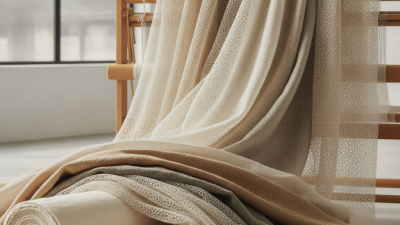
Raw fabric usually means textile material before dyeing, printing, coating, or final finishing. In many mills, it is also called greige fabric. Its color may look pale, uneven, or slightly dusty. That appearance is normal. However, it should not hide poor weaving or contamination.
Common options include raw cotton, linen, hemp, wool, polyester, and recycled synthetic fabrics. Each serves a different sourcing purpose. Cotton offers familiar hand feel and broad processing options. Linen provides visible slubs and natural texture. Hemp can deliver a firm surface, but supply consistency needs checking. Wool requires careful control of fiber grade, moisture, and odor. Polyester often gives stable width and predictable production. Recycled fibers need stronger documentation.
Look beyond the fiber name. Ask for fabric weight, width, weave structure, yarn count, shrinkage, and moisture limits. A small cutting can reveal loose edges, broken yarns, or uneven density. It cannot show every production risk. That is the problem.
Reliable buyers compare lab reports with physical samples. They also confirm batch numbering, inspection methods, and storage conditions. A fabric may pass one test and still behave poorly during cutting. This happens when tension, finishing, or humidity changes. Specifications should include practical tolerances, not only perfect target figures. Some suppliers provide incomplete details. Buyers must question them politely and record every change. The process is less tidy than expected, but careful evidence protects quality.
How Raw Fabric Types Are Classified by Fiber and Structure
Raw fabric classification starts with fiber. Natural fibers include cotton, linen, wool, and silk. Regenerated fibers come from processed cellulose, while synthetic fibers are manufactured from polymers. Each group affects comfort, strength, moisture behavior, and care requirements.
Fiber names alone are not enough. A buyer should check yarn composition, blend ratios, fabric weight, and usable width. For example, a cotton-rich fabric may feel breathable but shrink after washing. A polyester-rich blend often resists wrinkles, yet it may feel warmer against the skin. Small sample tests reveal these differences better than a specification sheet. I have seen fabrics with identical fiber percentages perform differently because of yarn quality and finishing.
Structure changes everything. Woven fabrics use crossing yarns and usually offer stable dimensions. Plain, twill, and satin constructions create different surfaces and strengths. Knitted fabrics use loops, giving them stretch and softer movement. Single jersey, rib, and interlock should not be treated as equal. Nonwoven fabrics bond fibers through mechanical, thermal, or chemical methods. Their performance depends heavily on bonding density and thickness.
A practical inspection should include GSM, thickness, tear strength, tensile strength, shrinkage, colorfastness, and pilling. Ask for greige fabric details when finishes may hide defects. Look closely under neutral light. It matters.
A neat classification can still mislead. Fiber and structure interact, and finishing can change the final hand feel considerably. Global buyers should compare physical samples, test reports, and production records before approving bulk fabric.
Top Raw Fabric Types for Global Buyers in 2026
Global buyers are reassessing raw fabric types in 2026. Cotton remains a practical choice for shirts, bedding, and casualwear. Greige cotton fabric offers flexible dyeing and finishing options. However, moisture, shrinkage, and inconsistent yarn quality can affect delivery results.
Polyester remains important for sportswear, workwear, and durable lining fabrics. Textile Exchange’s Materials Market Report 2024 estimates polyester represented about 59% of global fiber production in 2023. Cotton accounted for roughly 19%. The report also places total fiber production near 124 million tonnes.
Linen suits buyers seeking natural texture and breathability, while wool supports insulation and premium tailoring. Viscose provides a soft drape, but buyers should check forest sourcing and chemical management. Recycled fibers are growing, although supply consistency remains imperfect.
That matters.
Tips: Request greige fabric samples before confirming bulk orders. Test fabric weight, width, shrinkage, color fastness, and pilling. Compare laboratory results with the supplier’s technical sheet.
The International Textile Manufacturers Federation’s 2024 survey showed continued pressure from weak demand and uncertain inventory levels. Therefore, avoid judging fabric only by price. A cheaper roll may contain wider tolerances, uneven density, or higher cutting waste.
Ask for lot-level inspection records and production lead times. This small step can prevent expensive surprises. I have found that buyers often overlook packing humidity, especially for cotton and viscose. That mistake deserves more attention.
How to Compare Raw Fabrics by Quality, Cost, and Use
2026 Top Raw Fabric Types for Global Buyers
Comparing raw fabrics starts with the intended product, not the lowest quotation. Cotton suits breathable shirts, but fiber length affects strength, pilling, and surface smoothness. Linen feels cool and dry, though it wrinkles quickly and may need careful finishing. Wool offers warmth and recovery, while its micron count influences softness and price. Polyester usually lowers cost and improves durability, but it can feel less breathable against the skin. Viscose drapes well, yet its wet strength requires close testing.
Ask for measurable evidence. Check GSM, fiber composition, tensile strength, shrinkage, colorfastness, and fabric width. A 180 GSM fabric may work for summer clothing but fail in heavy workwear. Inspect a full-width sample under natural light. Then wash it three times. Measure changes with a ruler. Small differences can become expensive across thousands of meters.
Cost means more than the factory price. Include testing, packaging, transport, duties, cutting waste, and possible rework. A cheaper roll with uneven density may create visible shade bands. I once chose a softer fabric too quickly; after washing, it lost shape. That mistake changed my sampling process. Now I compare at least two production lots, not only one attractive swatch. Supplier certificates can support a decision, but independent test results are more dependable. No fabric wins every category. The right choice balances performance, budget, and the buyer’s actual use.
How Global Buyers Can Select and Source Raw Fabrics
2026 Top Raw Fabric Types for Global Buyers
How Global Buyers Can Select and Source Raw Fabrics
Global buyers should match fabric structure with the product’s real use. Cotton suits breathable shirts, while linen adds airflow but wrinkles easily. Polyester supports durability and stable sizing. Wool offers warmth, yet requires careful shrinkage control. Blended fabrics can balance cost, comfort, and performance. There is no universal best fabric.
Textile Exchange’s Materials Market Report 2024 recorded global fiber production at about 124 million tonnes in 2023. It projects growth toward 160 million tonnes by 2030. This scale makes traceability more important, especially for recycled and cellulosic inputs. Ask suppliers for fiber composition, origin records, production capacity, and recent test reports. Check fabric weight, usable width, colorfastness, pilling, and dimensional change after washing.
Start with a physical sample, not only a spreadsheet. Measure GSM with a calibrated cutter. Wash a one-meter piece using the intended care method. Compare hand feel before and after drying. Request a laboratory dip for color approval, then confirm bulk consistency. Small details matter.
The International Textile Manufacturers Federation continues to identify demand weakness and supply-chain uncertainty as major industry pressures in its global surveys. Buyers should therefore compare lead times and minimum order quantities carefully. A lower price may hide unstable quality. That mistake is common. Even experienced teams sometimes approve fabric too quickly. Reflect on actual end-use testing before signing a long-term sourcing agreement.
2026 Top Raw Fabric Types for Global Buyers
How Global Buyers Can Select and Source Raw Fabrics
Moisture regain indicates how much moisture a fiber can absorb under standard atmospheric conditions. Natural fibers generally provide higher moisture management, while synthetic fibers typically offer faster drying and easier-care performance. Buyers should also evaluate weight, strength, finish, certification, and end-use requirements before sourcing raw fabrics.
Typical moisture regain values at approximately 20°C and 65% relative humidity. Values may vary by fiber grade, blend, and finishing process.