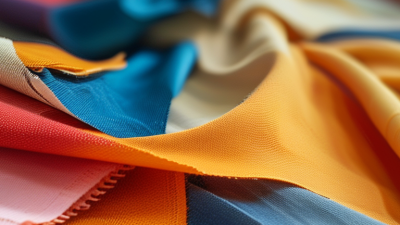
Why is Mesh in Clothing Essential for Modern Fashion?
In today's fast-paced fashion industry, "Mesh in Clothing" has become a vital component in contemporary design. This versatile material enhances both aesthetics and functionality, appealing to a diverse range of consumers. From athletic wear to high-fashion garments, mesh adds unique texture and breathability.
The rise of athleisure has propelled mesh into the spotlight. Designers recognize that it offers comfort without sacrificing style. The lightness of mesh allows for freedom of movement, catering to the needs of an active lifestyle. Yet, reliance on mesh also raises questions about durability and wearability over time.
As we explore this trend, it’s essential to consider its environmental impact. The production of synthetic mesh often involves processes that can harm the planet. Fashion brands must balance innovation with sustainability. In this evolving landscape, mesh may serve as a double-edged sword, bringing both exciting possibilities and challenges.

The Role of Mesh Fabric in Contemporary Fashion Design
Mesh fabric has become a cornerstone of contemporary fashion design. Its lightweight and breathable nature allows designers to create innovative and versatile pieces. This material serves both functionality and aesthetics, captivating the modern consumer. Mesh can add texture and depth to any outfit, transforming simplicity into sophistication.
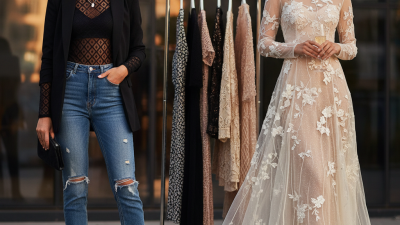
Incorporating mesh into designs creates a sense of playful layering. It can be seen in various styles, from casual to haute couture. Designers often use mesh to enhance movement and create visual interest. However, mixing mesh with other fabrics can be a challenge. It's essential to balance weight and texture. The goal is to achieve harmony in fabric combination.
**Tips:** Consider using mesh as an accent to avoid overwhelming your design. Layer mesh with denser fabrics for a balanced look. Experiment with colors and patterns to elevate your creation. Remember, the mesh should complement, not dominate. Flexibility can lead to unique and stylish outcomes.
Why is Mesh in Clothing Essential for Modern Fashion?
| Dimension |
Description |
Importance |
| Breathability |
Mesh fabric allows air circulation, making garments comfortable for warm weather. |
Enhances comfort and prevents overheating. |
| Lightweight |
Mesh materials are typically thinner and lighter than traditional fabrics. |
Provides a relaxed fit without excessive weight. |
| Versatility |
Can be used in various clothing types from athletic wear to fashion pieces. |
Adapts to different styles and occasions. |
| Aesthetic Appeal |
Creates unique textures and visual interest in fashion designs. |
Enhances the overall look of garments. |
| Layering |
Ideal for layering without adding bulk to the outfit. |
Facilitates stylish and functional combinations. |
Key Benefits of Incorporating Mesh into Clothing Pieces
Mesh is becoming a game-changer in modern fashion. This lightweight fabric offers breathability and flexibility. It enhances comfort in various climates. Mesh also adds an edgy aesthetic. Its unique texture makes clothing stand out, defining personal style.
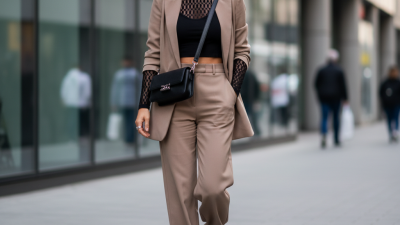
When incorporating mesh into your wardrobe, consider layering. A mesh top over a solid tank can create dimension. Another tip is to mix different textures. Pair it with denim or leather for a balanced look. Mesh can also be used in activewear. Its moisture-wicking properties keep you cool during workouts.
Be mindful of fit. Loose mesh can sometimes appear unkempt. Choose pieces that flatter your body shape. This will make you feel more confident. Reflect on your style preferences. Experimenting with mesh can lead to unique outfits. However, it may take time to find what works best for you.
Popular Types of Mesh Materials Used in Modern Apparel
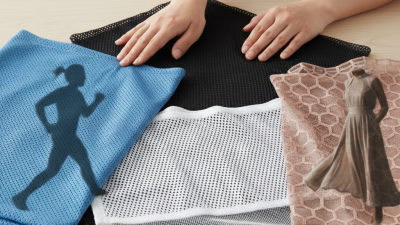
Mesh fabric plays a pivotal role in modern fashion. Its lightweight and breathable properties make it perfect for various clothing styles. Different types of mesh materials cater to different needs and aesthetics. For example, sheer mesh is often used in layering pieces, adding depth and texture to outfits. On the other hand, athletic mesh provides durability and moisture-wicking capabilities ideal for activewear.
A common type is the power mesh, known for its stretch and support. This material is often found in shapewear and swimwear. It offers a snug fit while allowing breathability. Nylon mesh, with its fine structure, is widely favored for its softness. It drapes beautifully, enhancing the overall look of garments.
Consider using mesh in unexpected ways. Layering, for instance, can transform a basic outfit into something special.
Tips: Explore layering options with different mesh textures. Pair mesh tops with sturdy fabrics for contrast. Don’t shy away from mixing colors and patterns. Experimentation creates unique styles. Remember, sometimes less is more. Avoid overdoing mesh; subtlety can make a strong statement.
Styling Tips for Wearing Mesh in Everyday Outfits
Mesh has emerged as a staple in modern fashion, providing breathability and versatility. It’s a great way to layer outfits while adding an interesting texture. Styling with mesh can elevate your look significantly. Here are some tips to incorporate mesh into your daily wardrobe.
One easy way to wear mesh is by layering it. A mesh top over a solid tank can look stylish yet comfortable. Try pairing it with high-waisted jeans for a balanced silhouette. Remember, layering is not just about adding pieces; it’s about creating depth. Play around with textures and colors.
Accessories can also enhance your mesh outfit. Consider adding a statement necklace or bold earrings to pull attention. Mix and match different materials. The contrast can make mesh pieces stand out. Keep in mind that not every combination will work. Don’t hesitate to experiment, even if it feels out of your comfort zone. The key is to find what complements your style the best. Embrace the imperfections in your look; that’s where the charm lies.
Sustainability Considerations of Mesh in Fashion Industry Practices
Mesh materials are gaining traction in modern fashion due to their sustainable attributes. A 2022 report by the Global Fashion Agenda noted that the fashion industry accounts for 10% of global carbon emissions. However, the adoption of mesh can help curb this trend. This lightweight textile offers breathability while using less material.
Incorporating mesh reduces the overall fabric waste in production. A study revealed that mesh can reduce fabric waste by up to 30%. This reduction is crucial as millions of tons of textiles are discarded annually. However, not all mesh fabrics are created equal. The sourcing of raw materials remains a challenge. Many mesh fabrics still rely on synthetic materials which could offset sustainability gains.
Transparency in the supply chain is vital. Consumers are increasingly demanding accountability. A 2023 survey highlighted that 65% of shoppers consider sustainability when purchasing clothing. This trend invites designers to rethink their choices, pushing for innovative solutions that blend style and sustainability without compromising quality. As mesh continues to evolve, its role in promoting eco-friendly practices must be continuously evaluated.